Improve Energy Efficiency with Professional Insulating Services
Insulation plays a critical role in maintaining a comfortable, energy-efficient home. A professional insulation contractor does more than simply add materials to walls or attics—they evaluate how a home performs as a system and recommend improvements that reduce energy loss and improve indoor comfort. At Northwest Weatherization, we provide comprehensive insulation services designed to help homeowners increase energy efficiency, improve indoor air quality, and protect long-term home performance.
With an expert team and years of hands-on experience insulating homes, we deliver tailored solutions for both new construction and retrofit insulation projects.
Call Northwest Weatherization Today for All Things Home Insulation and Weatherization
Services We Offer at Northwest Weatherization
Free Home Energy Assessment
Every project begins with a thorough energy assessment. This evaluation identifies areas of heat loss, air leakage, and underperforming insulation. By understanding how your home currently performs, we can recommend targeted upgrades that deliver measurable improvements in comfort and efficiency.
Retrofit Insulation
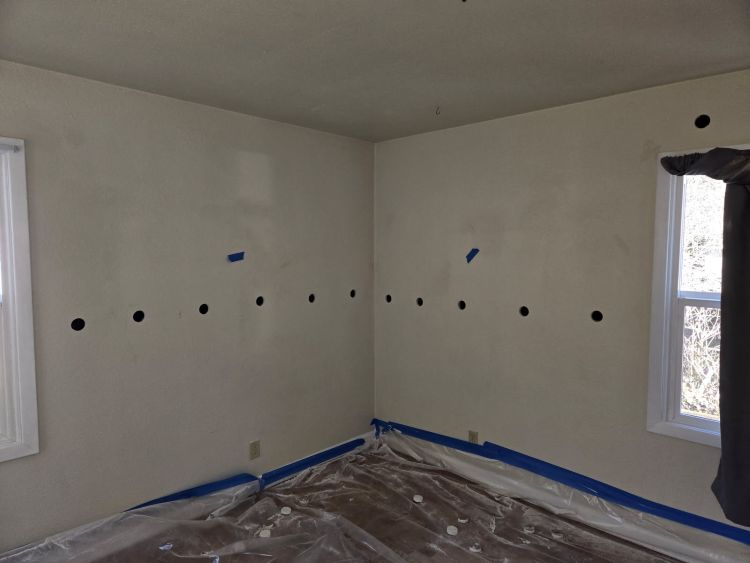
Older homes often lack adequate insulation or contain materials that have settled over time. Retrofit insulation involves upgrading existing insulation without major structural changes. This process improves comfort and efficiency without the need for extensive remodeling.
Insulation Installation
Professional insulation installation ensures materials are placed correctly and achieve their intended R-value. Whether for a new build or an upgrade, proper installation is essential to long-term performance.
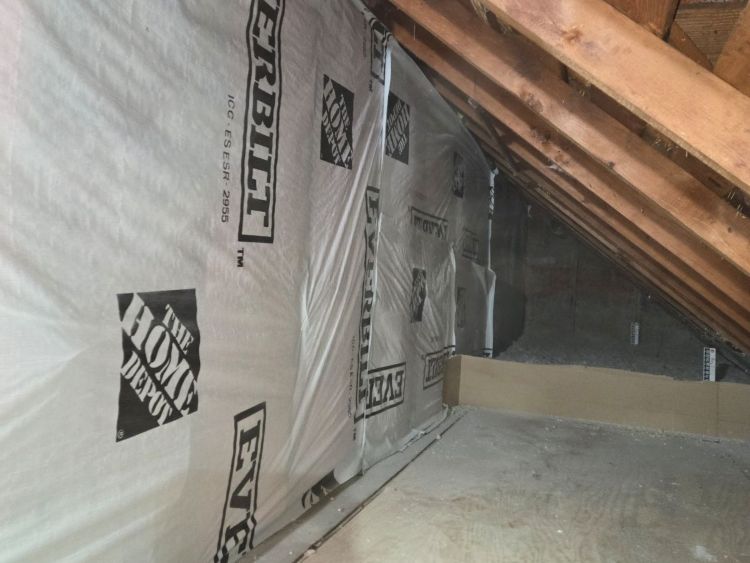
Attic Insulation
Because heat rises, the attic is one of the most important areas to insulate. Proper attic insulation reduces heat transfer, lowers energy bills, and helps HVAC systems operate more efficiently.
Crawl Space Insulation
The crawl space significantly affects indoor air quality and temperature control. Insulating this area helps prevent cold floors, reduces moisture problems, and improves overall home performance.
We Offer Insulation Services In:
Aloha, OR | Beaverton, OR | Canby, OR | Estacada, OR | Gresham, OR | Happy Valley, OR | Hillsboro, OR | Lake Oswego, OR | Laurelhurst, Portland, OR
Milwaukie, OR | Molalla, OR | Mt Tabor, Portland, OR | Newberg, OR | Oregon City, OR | Portland, OR | Salem, OR | Sherwood, OR
SW Portland, OR | Tigard, OR | Tualatin, OR | West Linn, OR | Wilsonville, OR
Types of Insulation We Work With
Selecting the right insulation depends on the location within the home and specific performance goals.
Fiberglass Insulation
Fiberglass insulation is one of the most widely used materials. Available in batts or loose-fill form, it provides reliable thermal resistance and is commonly installed in walls, attics, and floors. It is cost-effective and performs well when properly fitted to prevent gaps.
Best Used In:
- Wall cavities
- Attic floors
- Between floor joists
Blown-In Cellulose
Blown-in cellulose is an eco-friendly option made from recycled materials. It is installed using specialized equipment to fill attic spaces and wall cavities thoroughly. Its dense application helps minimize air movement and improve overall thermal performance.
Best Used In:
- Attics with irregular shapes
- Enclosed wall cavities during retrofit insulation
- Hard-to-reach spaces
Loose-Fill Insulation
Loose-fill insulation (which can be fiberglass or cellulose) is ideal for covering large attic areas evenly. It can be added over existing insulation to increase R-value and boost energy efficiency.
Best Used In:
- Attic upgrades
- Insulation top-offs
- Areas with obstructions
Why Proper Insulation Matters
Effective insulation slows heat transfer, which helps maintain consistent indoor temperatures. The R-value of insulation measures its resistance to heat flow—the higher the R-value, the greater the insulating power. Choosing the correct R-value for your climate ensures optimal energy efficiency and comfort.
When Properly Installed, Insulation Helps:
- Reduce heating and cooling costs
- Improve indoor air quality
- Minimize drafts and temperature fluctuations
- Decrease strain on HVAC systems
- Enhance overall home comfort
By addressing insulation and air sealing together, homeowners can see noticeable improvements in both energy efficiency and indoor comfort.
Why Choose Northwest Weatherization?
Northwest Weatherization stands out because of its comprehensive approach to insulating homes. Rather than offering one-size-fits-all solutions, our expert team performs detailed energy assessments and recommends insulation services tailored to each property’s structure and needs.
Homeowners Trust Northwest Weatherization For:
- Experienced and knowledgeable professionals
- High-quality fiberglass insulation and blown-in cellulose options
- Proper insulation installation techniques
- Careful retrofit insulation for older homes
- Solutions that prioritize long-term energy efficiency and indoor air quality
Our goal is to deliver dependable results that improve comfort and protect your investment.