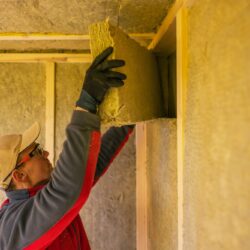
Insulation Contractor Services for Lake Oswego Homes
Northwest Weatherization helps homeowners improve crawl space conditions, energy efficiency, and year-round comfort throughout Lake Oswego, OR. Homes in First Addition, Lake Grove, Mountain Park, and other established neighborhoods often contain a mix of original construction, additions, and past renovations, which can create uneven insulation coverage and hidden air leakage. Our team evaluates the home as a connected system before recommending insulation installation, air sealing, vapor barrier installation, or crawl space encapsulation.
Lake Oswego’s wooded surroundings, sloped lots, wet winters, and warm summer periods can place added pressure on attics, walls, floors, and below-grade areas. Properties near Tryon Creek State Natural Area may experience persistent shade and ground moisture, while hillside homes in Mountain Park can be more exposed to wind and temperature changes. Addressing these conditions can reduce heat loss, control energy costs, and support better indoor air quality.
Schedule a free home energy assessment with Northwest Weatherization to identify practical improvements and determine whether qualifying energy rebates are available.
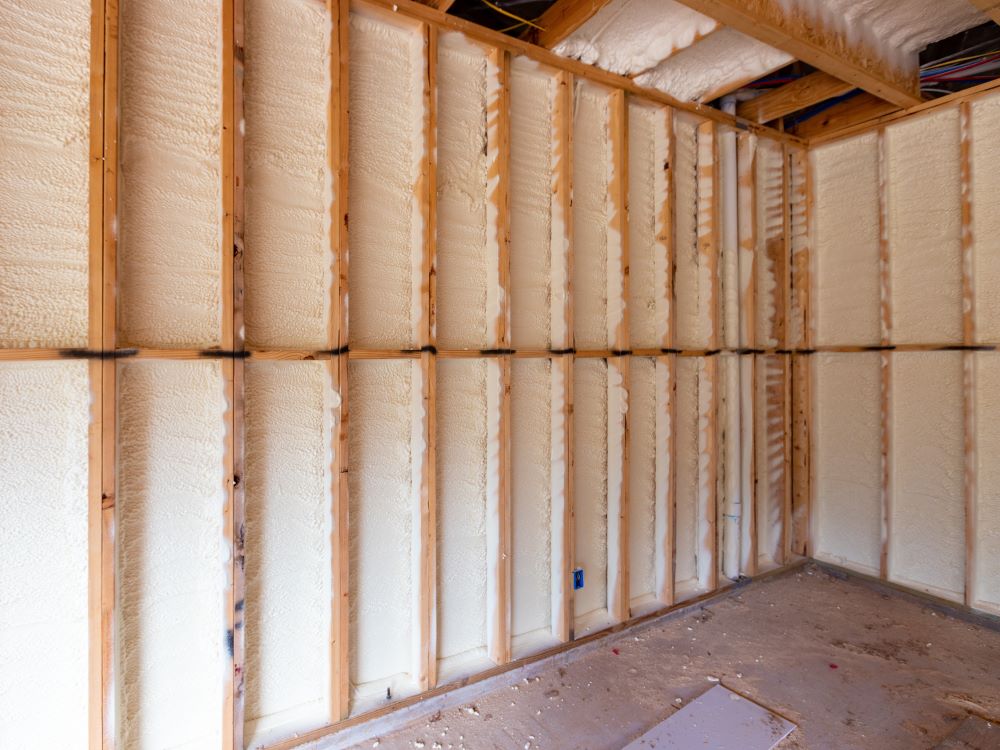
Home Performance Concerns That Insulation Can Address
Insulation problems do not always appear as visible damage. Homeowners may first notice cold floors, drafty rooms, overheated upper levels, or heating and cooling equipment that seems to run constantly.
Common concerns include:
- Thin or uneven attic insulation
- Damaged insulation in a crawl space
- Empty or underinsulated wall cavities
- Air leakage around plumbing and wiring
- Moisture rising from exposed soil
- Ductwork losing energy in unconditioned areas
- Musty odors or inconsistent indoor temperatures
A home near George Rogers Park may have different moisture and exposure conditions than a residence near Lake View Village or Millennium Plaza Park. The correct insulation method depends on the property’s construction, access, ventilation, and existing materials.
Insulation Solutions for Different Areas of the Home
Attic and Wall Insulation for Temperature Stability
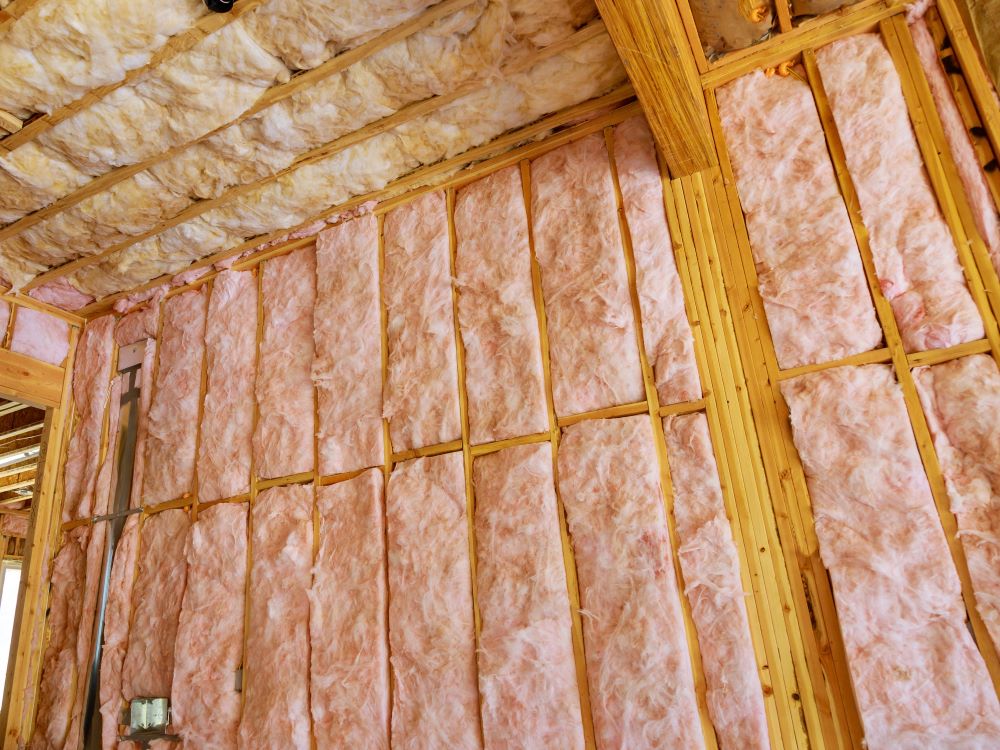
Attic insulation helps slow heat movement through the ceiling and roof assembly. Depending on the space, fiberglass insulation or blown-in cellulose may be used to improve coverage and reduce seasonal heat transfer.
Wall insulation can help rooms that remain noticeably colder or warmer than nearby areas. In older homes around First Addition or Evergreen, additions and remodeling may have created inconsistent coverage between original and updated sections of the house.
Floor Insulation and Air Sealing
Floor insulation helps separate living areas from cooler crawl spaces. If existing material is wet, compressed, or falling away, replacement may be needed after the source of moisture has been corrected.
Air sealing addresses gaps around framing joints, pipes, wiring, access panels, and utility penetrations. Closing these pathways before insulation is added can reduce drafts and help the new material perform more effectively.
Vapor Barriers and Crawl Space Encapsulation
Vapor barrier installation limits moisture rising from exposed soil. Material must be carefully fitted around piers, supports, pipes, and foundation features rather than placed loosely across the ground.
Crawl space encapsulation provides broader moisture control by extending durable barrier material across the floor and, where appropriate, portions of the foundation walls. This may be considered when a home has recurring humidity, musty odors, damaged insulation, or persistent moisture concerns.
Duct Wrapping Insulation and Energy Protection
Accessible ductwork located in an attic, garage, or crawl space can lose heated or cooled air before it reaches the intended rooms. Duct wrapping insulation and sealing appropriate connections can reduce this energy loss and improve system performance.
Regional Expertise with Complex Lake Oswego Homes
Northwest Weatherization has 16 years of experience working with Pacific Northwest homes. Our PTCS and LEAD Certified Technicians understand how insulation, airflow, ventilation, and moisture interact within different construction styles.
We are a Trade Ally of Energy Trust of Oregon and have received the Angie’s List Super Service Award since 2013. Homeowners can expect:
- Licensed and insured insulation professionals
- Recommendations based on observed conditions
- Careful attention to moisture and ventilation
- High-quality installation materials
- Clear explanations of the proposed work
- Reliable scheduling and communication
- Guidance regarding qualifying energy rebates
Our team serves Lake Grove, McVey, Mountain Park, Evergreen, First Addition, and neighborhoods surrounding Tryon Creek State Natural Area.
Reviews and Local Insulation Support
Here’s what our clients are saying about working with Northwest Weatherization.


Contact Northwest Weatherization to schedule a free home energy assessment in Lake Oswego, OR. We can evaluate your attic, walls, floors, crawl space, vapor barrier, and accessible ductwork before providing a detailed estimate.
Frequently Asked Questions About Insulation in Lake Oswego
The location of discomfort often provides an initial clue. Overheated upstairs rooms may indicate thin or uneven attic insulation, while cold floors can point to damaged floor insulation or problems in the crawl space. Drafts near exterior walls, outlets, or utility penetrations may be related to wall insulation gaps or air leakage.
Homes in Lake Oswego, OR can contain several construction phases. A property in First Addition may have older framing combined with renovated sections, while a Mountain Park home may include multiple rooflines, split levels, or difficult-to-access attic areas. These differences can create inconsistent thermal performance throughout the house.
A professional assessment should examine insulation condition, ventilation, moisture, and accessible air leaks rather than relying on energy bills alone. Northwest Weatherization evaluates each part of the building envelope and recommends targeted work, which may include attic insulation, wall insulation, floor insulation, air sealing, or crawl space moisture control.
Yes. Active moisture should be identified and controlled before new floor or crawl space insulation is installed. Wet insulation loses effectiveness, becomes heavier, and may pull away from the subfloor. Persistent dampness can also contribute to musty odors and conditions that affect indoor air quality.
In Lake Oswego, OR, shaded properties near Tryon Creek State Natural Area or homes on sloped lots may experience different drainage and soil-moisture conditions. However, moisture can affect any crawl space because of plumbing leaks, standing water, damaged ground coverings, or exterior runoff.
The inspection should determine whether the home needs a repaired vapor barrier, full vapor barrier installation, crawl space encapsulation, or separate drainage or plumbing work. New fiberglass insulation should only be installed after the area is suitable.
Addressing moisture first protects the replacement materials and reduces the risk of paying for the same insulation work again.
A vapor barrier primarily covers exposed soil to limit ground moisture entering the crawl space. It is fitted around support posts, pipes, and foundation features and may be suitable when the area is generally dry but has missing, damaged, or incomplete ground coverage.
Crawl space encapsulation is more extensive. Durable barrier material may cover the floor, extend up portions of foundation walls, and be sealed around seams and penetrations. It is often considered when recurring humidity, musty odors, air movement, or moisture along foundation surfaces remains a concern.
For a Lake Oswego, OR property near McVey or Lake Grove, a standard barrier may be sufficient if drainage is controlled. A shaded or moisture-prone property near Tryon Creek State Natural Area may require a broader evaluation.
Encapsulation should not be used to hide active leaks or standing water. The recommendation should be based on moisture sources, ventilation, access, foundation design, and the condition of existing insulation.
Insulation upgrades can reduce unnecessary heat transfer and help heating and cooling systems maintain indoor temperatures more efficiently. The amount of improvement depends on the home’s current condition, including attic coverage, wall insulation, floor insulation, air leakage, and duct performance.
In Lake Oswego, OR, a home with large attic gaps or damaged crawl space insulation may see more noticeable results than one that already has consistent coverage. Air sealing is also important because conditioned air can escape through openings even when insulation levels appear adequate.
Duct wrapping insulation may help when accessible ductwork passes through an attic, crawl space, or other unconditioned area. Sealing leaks and insulating those ducts can reduce energy loss before the air reaches the rooms.
A free home energy assessment helps identify which improvements are most likely to affect energy costs. Qualifying projects may also be eligible for Energy Trust of Oregon rebates.
Choose a contractor that is licensed and insured and has experience with Pacific Northwest homes. The company should inspect the property before recommending materials and should evaluate insulation, moisture, ventilation, air leakage, and crawl space conditions as connected concerns.
Lake Oswego homes can be complex. Properties in Mountain Park may have split levels and multiple attic sections, while homes near the Walters Cultural Arts Center—outside Lake Oswego but representative of older regional construction—can contain mixed materials and past modifications. Within Lake Oswego, homes near First Addition, Evergreen, and Lake View Village can also vary considerably in age and design.
Ask for a clear written scope explaining preparation, material selection, removal, air sealing, and installation. Northwest Weatherization has 16 years of experience, employs PTCS and LEAD Certified Technicians, and is a Trade Ally of Energy Trust of Oregon. A free assessment provides a practical starting point for comparing options.
Check Out Our Related Blogs!
- How Does an Insulation Contractor Evaluate Thermal Bridging Pathways During Whole-Home Energy Assessments?
- What Building Science Principles Does an Insulation Contractor Apply to Balance Air Sealing and Ventilation Performance?

- What Diagnostic Technologies Does an Insulation Contractor Use to Verify Post-Installation Thermal Continuity?
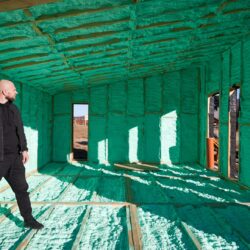
- How Does an Insulation Contractor Determine Material Suitability Based on Climate Zone and Assembly Design?
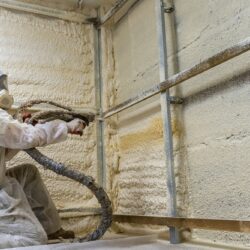
- What Should I Ask an Insulation Contractor in Tigard OR Before Hiring?
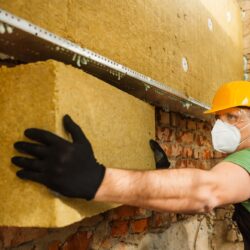
- Is an Insulation Contractor in Laurelhurst Portland OR Needed for Historic Homes?