
A Home Should Hold Onto Comfort—Not Stale Air. Here’s How Insulation Experts Strike the Right Balance.
Every home breathes. The challenge is making sure it breathes the right way. Too much uncontrolled airflow can drive up energy bills and introduce moisture problems, while sealing a home too tightly without considering ventilation can affect indoor air quality. That’s why homeowners increasingly turn to an insulation contractor in Mt Tabor Portland OR residents trust to understand how air movement, insulation, and ventilation work together.
Building science isn’t just for laboratories or new construction projects. It’s the practical framework insulation professionals use to improve comfort, reduce heat loss, and support healthier living spaces. In neighborhoods like Mt Tabor, where historic homes sit alongside modern renovations and accessory dwelling unit additions, insulation strategies must account for unique structural conditions, existing mechanical systems, and evolving energy-efficiency standards.
An insulation contractor balances air sealing and ventilation performance by applying building science principles that control airflow, manage moisture, maintain indoor air quality, and improve energy efficiency. This process often includes energy assessments, vapor barrier evaluation, attic insulation upgrades, and ventilation improvements tailored to a home’s specific needs.
Why Building Science Matters More Than Homeowners Realize
Building science examines how heat, air, and moisture move through a structure. For an insulation contractor in Mt Tabor Portland OR homeowners rely on, this approach guides every recommendation—from attic insulation upgrades to crawl space cleaning and vapor barrier installation.
Many older homes throughout the Mt Tabor Park and North Tabor communities were constructed before modern energy codes existed. Some feature limited insulation, outdated moisture barrier systems, or hidden air duct leaks that compromise energy efficiency. Newer homes can also struggle if insulation installation and ventilation systems aren’t coordinated properly.
A common people also ask question is: Can improving insulation negatively affect ventilation?
The answer is yes—if improvements aren’t planned carefully. Standard Insulation Installation without evaluating mechanical systems or airflow pathways can reduce natural air exchange. That’s why Building Science emphasizes viewing the home as an interconnected system rather than a collection of isolated upgrades.
Northwest Weatherization approaches projects through this whole-house perspective, considering indoor air quality, moisture control, and overall energy performance before recommending solutions.
The Building Science Principles that Shape Better Decisions
Several building science concepts guide successful insulation projects.
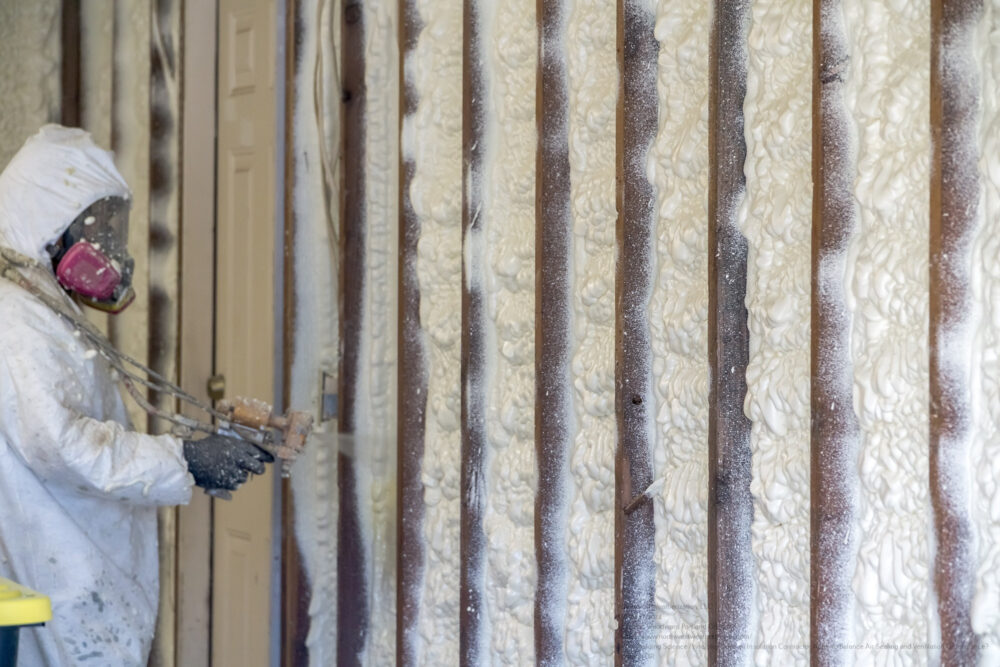
The Thermal Boundary Principle: focuses on maintaining continuous insulation around conditioned spaces. Gaps within attic insulation or wall cavities contribute to thermal bridging and increased energy bills.
The Air Control Layer Principle: addresses unwanted airflow through cracks, penetrations, and poorly sealed transitions. Proper air sealing minimizes heat transfer and improves energy efficiency.
The Moisture Management Principle: recognizes that air often transports moisture. Without adequate moisture control measures, homes may experience water damage, deterioration, and indoor air quality concerns.
The Ventilation Principle: ensures occupants receive sufficient fresh air. Mechanical systems should support healthy living environments without sacrificing indoor comfort.
According to the U.S. Department of Energy’s guidance on home air sealing, reducing uncontrolled airflow can significantly improve comfort and lower energy consumption when paired with appropriate ventilation strategies. Homeowners can explore these recommendations through the Department of Energy’s resources on home air sealing and ventilation.
Northwest Weatherization incorporates these principles to create practical recommendations that align with code compliance requirements and homeowner priorities.
Need Expert Insulation Solutions for Your Home?
Contact Northwest Weatherization today to schedule a consultation and discover how better insulation can improve comfort and energy efficiency.
The Hidden Mistakes that Upset a Home’s Balance
Even well-intentioned upgrades can create unintended consequences. Several common issues frequently emerge during energy assessments:
Ignoring Existing Ventilation Systems: Bathroom fans, attic vents, and other mechanical systems should complement insulation improvements rather than compete with them.
Overlooking Moisture Issues: Without addressing moisture sources first, homeowners risk water damage, condensation, and deterioration within wall assemblies.
Assuming All Insulation Performs Equally: Fiberglass insulation, blown-in cellulose, and retrofit insulation options behave differently depending on the home’s design and climate exposure.
Neglecting Crawl Space Conditions: Crawl space environments often influence Indoor Comfort throughout the house. Moisture intrusion beneath living spaces shouldn’t be ignored.
Skipping Code Compliance Reviews: Energy upgrades should align with applicable standards to maximize safety and effectiveness.
Historic homes around SE Stark and the surrounding areas often require particularly thoughtful strategies because older construction methods differ significantly from today’s practices.
Northwest Weatherization helps homeowners avoid these pitfalls by integrating Insulation Expertise with diagnostic assessments that prioritize both efficiency and occupant health.
Balancing Comfort and Fresh Air Creates Lasting Benefits
What happens when air sealing and ventilation are aligned correctly?
The results extend far beyond lower energy bills.
Homeowners often notice fewer drafts, more consistent temperatures, and improved indoor air quality. Bedrooms remain comfortable year-round. Mechanical systems experience less strain. Living spaces feel quieter as insulation reduces the infiltration of outside noise.
Energy efficiency improvements can also support broader sustainable building practices. Reducing unnecessary air leakage lowers energy consumption, contributing to low-energy consumption goals increasingly valued across the Pacific Northwest.
For households with guest suites or single-family homes accommodating multiple generations, consistent indoor comfort becomes especially important. Temperature fluctuations between rooms frequently diminish when insulation upgrades address hidden performance gaps.
Community organizations throughout Portland have emphasized the importance of maintaining a healthy housing stock. Efficient homes don’t simply save money; they support occupant well-being.
Northwest Weatherization understands that each home has its own story. A Colonial revival residence with a Vaulted Ceiling requires different solutions than a recently renovated property in the nearby areas.
How an Insulation Contractor Evaluates Air Sealing and Ventilation Together
An experienced insulation contractor in Mt Tabor Portland OR doesn’t begin with a product recommendation. Instead, the process starts with observation and testing. Building science teaches that homes function as systems, meaning every upgrade influences something else.
Professionals typically evaluate several critical areas:
- Attic insulation performance and existing ventilation pathways.
- Crawl space conditions, including moisture accumulation and air movement.
- Air duct leaks that compromise conditioned air delivery.
- Existing vapor barriers and moisture barrier systems.
- Opportunities for strategic air sealing without disrupting healthy airflow.
During energy assessments, contractors may also examine how living spaces interact with garages, guest suites, and unfinished areas. A disconnected thermal boundary can allow unwanted air exchange, undermining comfort.
For homes near Mt Tabor Park and throughout North Tabor, these evaluations are particularly important because renovation histories vary widely. Some properties have undergone retrofit insulation projects, while others retain original materials that no longer meet modern performance expectations.
Why These Strategies Matter for Mt Tabor Homeowners
Mt Tabor’s architectural diversity presents both opportunities and challenges. Historic homes often possess character-rich features that homeowners want to preserve, but aging assemblies may contribute to discomfort and inefficiency.
A poorly insulated vaulted ceiling can encourage heat loss. Inadequate crawl space insulation may introduce cold floors during the winter months. Older duct systems sometimes allow conditioned air to escape before reaching occupied rooms.
Thoughtful weatherization service strategies improve more than utility expenses. They enhance indoor comfort, support healthier indoor air quality, and contribute to sustainable building practices.
Northwest Weatherization combines insulation expertise with practical field experience to address these concerns while respecting the unique characteristics of homes throughout the Pacific Northwest.
Expert Insights: Myths that Continue to Confuse Homeowners
Several misconceptions frequently arise during consultations.
Myth: More insulation always solves comfort problems.
Fact: Without considering ventilation and moisture control, additional insulation alone may not deliver expected results.
Myth: Air sealing makes homes unhealthy.
Fact: Strategic air sealing paired with planned ventilation supports a healthy interior environment.
Myth: Historic homes can’t benefit from energy upgrades.
Fact: Retrofit insulation and weatherization strategies can improve performance while preserving architectural integrity.
Myth: Indoor air quality depends solely on HVAC equipment.
Fact: Insulation type, moisture conditions, and air duct leaks also influence occupant comfort.
One practical takeaway for homeowners is simple: address the house as a system. Isolated upgrades rarely produce optimal outcomes.
Key Takeaways Homeowners Should Remember
Building science provides a roadmap for smarter insulation decisions. Successful projects evaluate how insulation installation, ventilation, moisture management, and air control interact.
Homeowners should prioritize professional energy assessments when experiencing drafty rooms, rising energy bills, or persistent comfort concerns. Addressing these issues proactively can improve energy performance and reduce long-term maintenance expenses.
Whether upgrading attic insulation, improving crawl space conditions, or enhancing weatherization measures, maintaining balance remains essential.
When homes achieve the right balance between air sealing and ventilation, they often experience stronger energy efficiency, improved indoor comfort, and healthier living conditions year-round.
Why Northwest Weatherization is the Smart Choice for Long-Term Home Performance
We at Northwest Weatherization provide the best solutions to our customers because we understand that insulation is about more than simply adding material to walls or attics. Through a building science approach, we help homeowners balance air sealing, moisture control, ventilation performance, and energy efficiency to create healthier, more comfortable homes. Every recommendation we make considers how the entire house works together as a system.
Our team brings extensive insulation expertise to projects involving attic insulation, crawl space cleaning, vapor barrier installation, insulation removal, and weatherization service improvements. Whether we’re helping families in historic homes near Mt Tabor Park or updating modern living spaces throughout the area, we focus on code compliance, indoor comfort, and lasting performance.
We proudly showcase our commitment to customer satisfaction by delivering tailored insulation contractor services designed around each property’s unique needs. From energy assessments to moisture management strategies, our goal is to provide practical solutions that improve daily life while reducing unnecessary energy waste.
We also believe homeowners deserve clear communication, reliable workmanship, and guidance they can trust. That’s why we take the time to explain every step of the process and recommend upgrades that align with both short-term comfort goals and long-term home value.
Choosing the right insulation professional today can influence your home’s comfort, indoor air quality, and energy bills for years to come. Contact Northwest Weatherization for expert insulation solutions that support healthier, more efficient homes throughout the Pacific Northwest. For homeowners seeking dependable expertise, an insulation contractor in Mt Tabor Portland OR, remains an essential investment in lasting energy performance.
Need Expert Insulation Solutions for Your Home?
Contact Northwest Weatherization today to schedule a consultation and discover how better insulation can improve comfort and energy efficiency.