
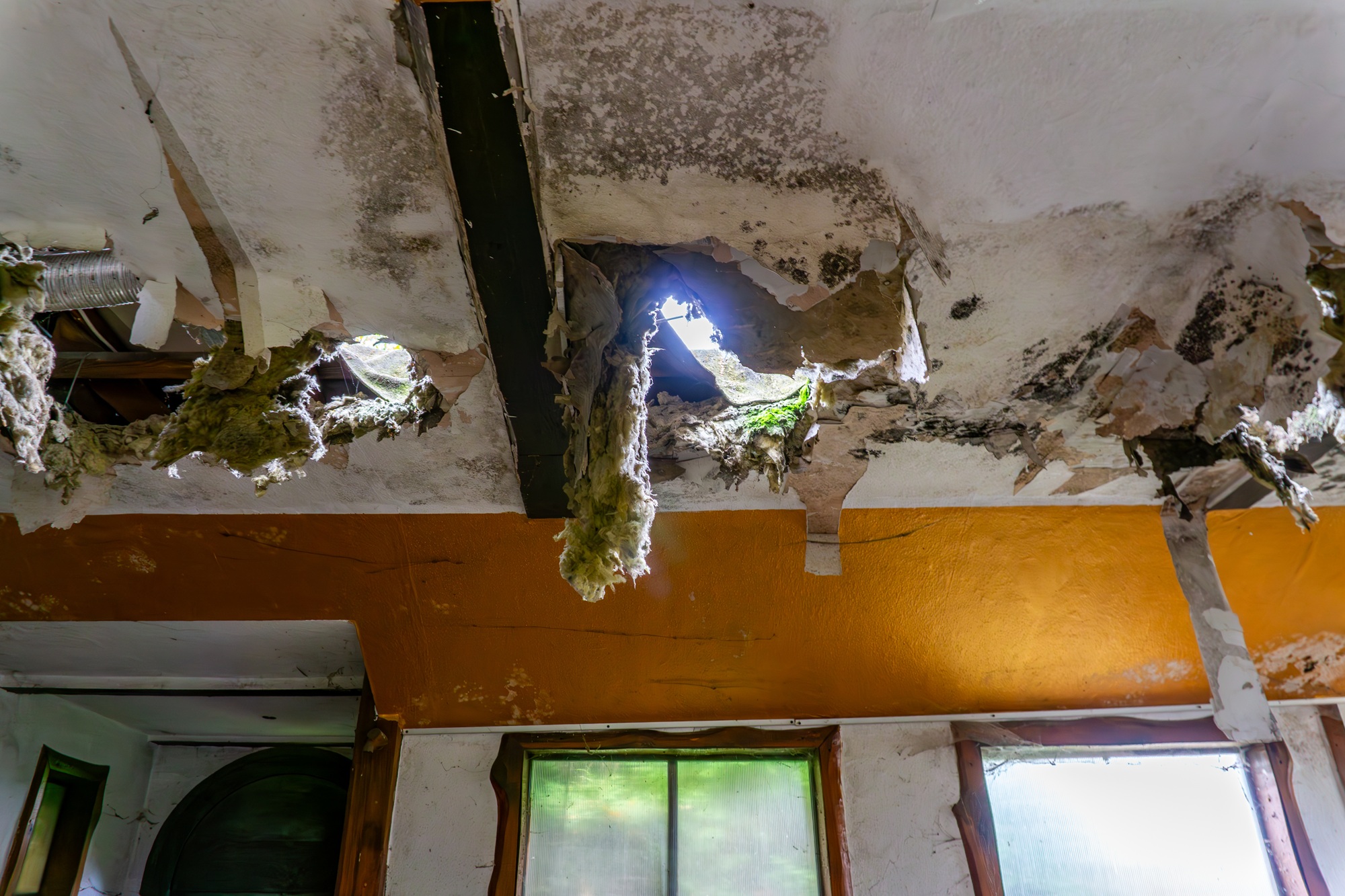
The Quiet Energy Thief Hiding Inside Walls, Attics and Framing
Thermal bridging doesn’t announce itself. There’s no loud failure or visible crack. Instead, it quietly drains energy, raises heating & cooling costs, and leaves homeowners wondering why comfort never quite feels right. That’s why working with an experienced insulation contractor in Tualatin OR is essential when energy efficiency is the goal rather than a guessing game.
Thermal bridging occurs when heat bypasses insulation through framing, fasteners, or poorly insulated transitions. Without professional diagnosis, these bridges remain invisible while energy loss continues season after season.
Thermal bridging happens when heat moves through framing or gaps that bypass insulation. An insulation contractor diagnoses it by assessing air leaks, insulation continuity, material performance, and building science principles to reduce energy loss and improve overall energy efficiency.
Why Thermal Bridging Matters More Than Most Homeowners Realize
Thermal bridging is a building science issue rooted in how materials conduct heat. Wood studs, metal fasteners, and structural elements move heat far more efficiently than insulation materials. In a residential property, that means conditioned air escapes even when insulation looks adequate on paper.
Homeowners in Tualatin, OR often ask, “Why is my home still cold after insulation upgrades?”
The answer frequently points to thermal bridges that were never addressed. Northwest Weatherization sees this issue regularly during attic insulation services and insulation replacement projects.
In the Pacific Northwest climate, these heat pathways don’t just increase energy costs; they also affect moisture control and indoor air quality.
Common Thermal Bridging Mistakes That Undermine Insulation Performance
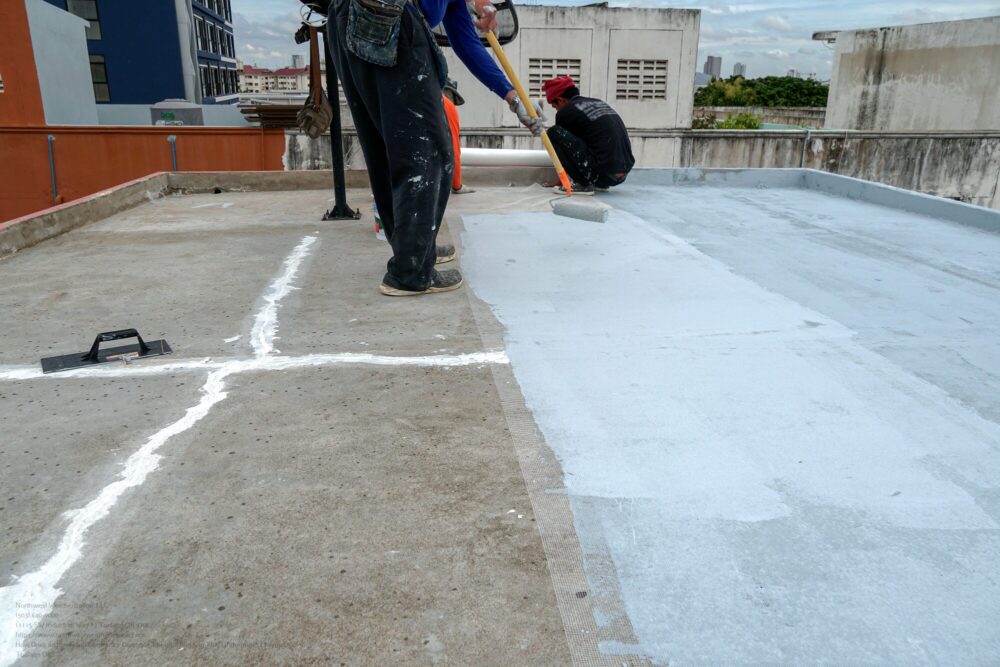
Insulation Gaps Around Framing
Batt insulation or fiberglass insulation that isn’t cut precisely leaves exposed framing, allowing heat to pass through.
Ignoring Attic Transitions
Attic insulation installed without addressing roof panels, top plates, or attic hatches creates continuous heat loss points.
Crawl Space Connections Overlooked
Crawl space solutions often miss rim joists or transitions between floor insulation and walls.
Vapor Barrier Misplacement
A poorly installed vapor barrier can trap moisture while still allowing heat transfer through framing.
Air Leaks Left Unsealed
Air leaks accelerate heat loss and reduce the effectiveness of thermal insulation materials.
These mistakes are common in DIY projects and low-bid installations. Northwest Weatherization prevents them by approaching insulation as a system, not a single layer.
Read more about insulation contractor in Tualatin OR
Want Insulation Contractor Services For Your Home?
Contact Northwest Weatherization Today To Get Started.
Why Diagnosing Thermal Bridging Requires Professional Expertise
Thermal bridging can’t be solved by adding more insulation alone. It requires understanding thermal resistance, air barriers, and how materials interact across the building envelope.
An experienced Insulation contractor evaluates where heat travels, not just where insulation exists. This includes analyzing attic insulation, wall insulation, floor insulation, and crawl spaces as connected zones.
Northwest Weatherization relies on building science principles used throughout the construction industry, ensuring insulation services support long-term energy performance instead of masking problems.
How Insulation Contractors Diagnose Thermal Bridging Step by Step
Professionals don’t guess. They observe, test, and verify. Diagnosis often includes:
- Identifying air leaks around framing, penetrations, and duct sealing areas
- Reviewing insulation continuity across walls, floors, and ceilings
- Evaluating insulation materials such as spray foam insulation, cellulose insulation, and blown-in insulation
- Checking transitions between attic insulation services and wall assemblies
- Assessing moisture damage risks that accompany heat loss
This process ensures insulation installation targets the real causes of energy loss rather than symptoms.
The Role of Materials in Reducing Thermal Bridging
Not all insulation materials perform the same when it comes to thermal bridging. Fiberglass insulation and batt insulation slow heat transfer but don’t stop air movement. Spray foam and foam board insulation, when applied correctly, create both thermal resistance and air barriers.
Northwest Weatherization carefully selects quality materials based on location and application. For example, spray foam insulation may be ideal in framing cavities, while blown-in insulation performs well in attics when paired with proper air sealing.
Using the right material in the wrong place still leads to energy loss. That’s why insulation specialists focus on application, not just product choice.
Why Thermal Bridging Directly Impacts Comfort and Energy Bills
Thermal bridging increases heating & cooling costs by forcing HVAC systems to work harder. Over time, this reduces energy efficiency, strains equipment, and lowers building value.
Uneven temperatures, cold floors, and drafts are common symptoms. In some cases, thermal bridges also contribute to moisture damage and fire hazard risks by allowing condensation near electrical components.
Northwest Weatherization improves energy solutions by addressing these bridges directly, restoring comfort and improving customer satisfaction across home improvement projects.
Expert Insights From Real Insulation Projects in Tualatin
Insulation professionals often encounter homes where insulation coverage looks complete, yet performance remains poor. In one recent attic project, Northwest Weatherization identified exposed framing beneath thick insulation layers. Heat was escaping straight through the structure.
By sealing air leaks and upgrading insulation continuity, energy performance improved immediately. These outcomes highlight why insulation contractors rely on diagnosis before insulation replacement.
The takeaway for homeowners is simple: thermal bridging isn’t visible, but its impact is measurable.
Key Takeaways Homeowners Should Remember About Thermal Bridging
Thermal bridging doesn’t mean insulation failed. It means the system wasn’t complete.
Important points to remember:
- Framing conducts heat more than insulation
- Air leaks worsen thermal bridging
- Attic insulation alone isn’t enough
- Crawl spaces influence overall energy performance
- Material choice matters, but installation matters more
These principles align with programs supported by organizations like the Energy Trust of Oregon, which emphasize whole-home energy efficiency rather than isolated upgrades.
Northwest Weatherization Delivers Insulation Solutions That Stop Energy Loss at Its Source
We at Northwest Weatherization provide the best solutions to our customers by diagnosing thermal bridging before it drains comfort and efficiency from the home. Our approach combines insulation installation, air barrier improvements, and building science expertise to ensure energy solutions actually perform.
We showcase our excellent services through careful evaluations, precise insulation replacement, and professional installation across attics, walls, floors, and crawl spaces. Every project is designed to improve energy performance, protect indoor air quality, and increase long-term building value.
If you’re ready to eliminate hidden energy loss, contact Northwest Weatherization for expert services and partner with a trusted insulation contractor in Tualatin OR.
insulation contractor near me in Tualatin OR
Want Insulation Contractor Services For Your Home?
Contact Northwest Weatherization Today To Get Started.