
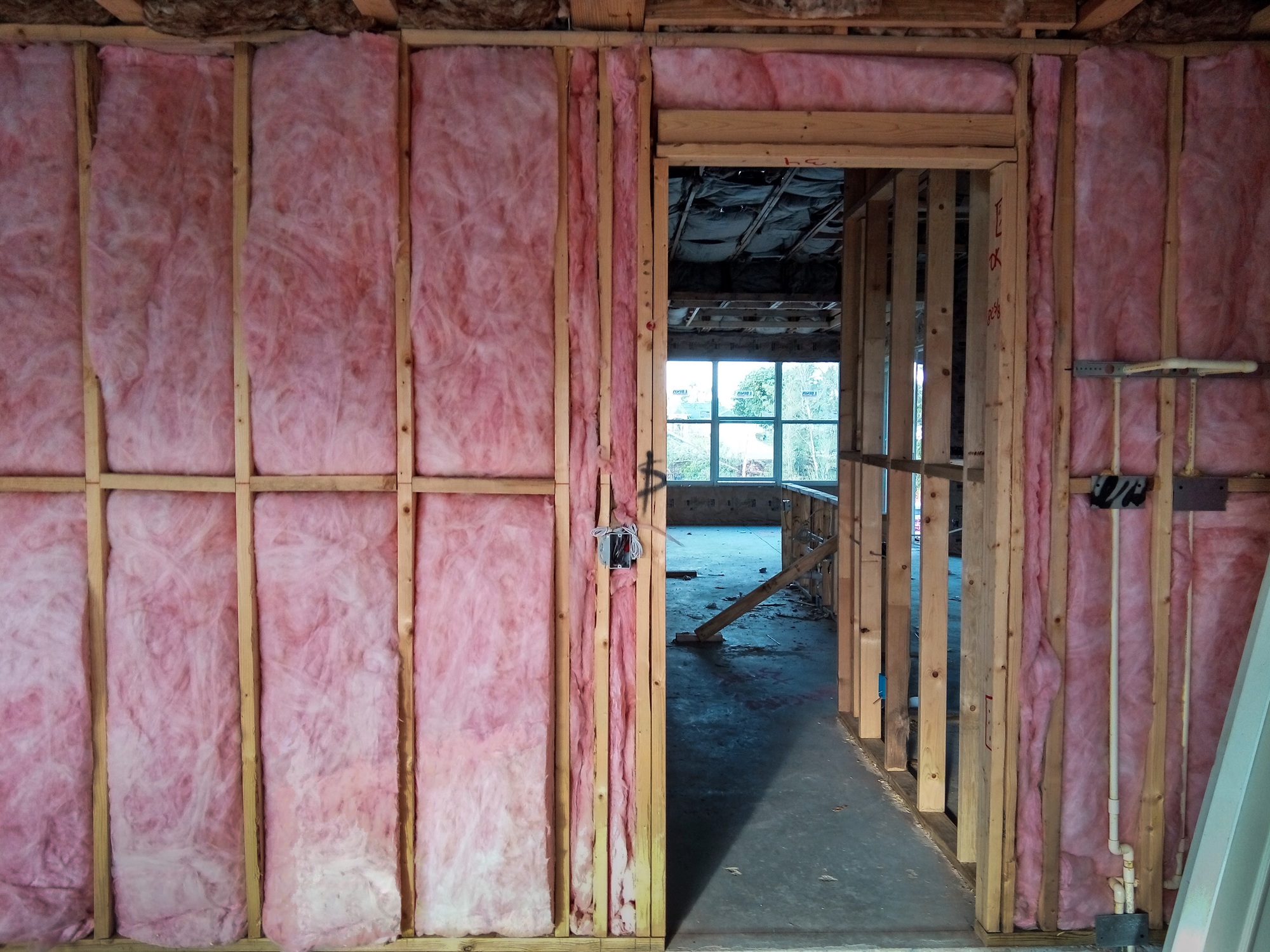
The Hidden Technical Mistakes That Quietly Undermine Comfort, Efficiency and Long-Term Value
Home improvement projects often start with good intentions. Homeowners want lower energy bills, better indoor comfort, and improved building value. Yet without proper planning, insulation upgrades can introduce serious building science errors. That’s why working with an experienced insulation contractor in Portland OR isn’t just a preference—it’s a safeguard against problems that don’t show up until years later.
Building science governs how heat, air, and moisture move through a home. When insulation is installed without understanding that balance, comfort suffers, energy loss increases, and moisture problems can quietly spread behind walls and floors.
Without a professional insulation contractor, building science errors such as trapped moisture, air leakage, thermal bridging, and uneven insulation coverage can occur. These issues reduce energy efficiency, harm indoor air quality, and lead to long-term structural and comfort problems in homes.
Why Building Science is the Foundation of a Comfortable Home
Building science isn’t theoretical. It’s practical physics at work inside every residential property and commercial property. Heat moves from warm areas to cold ones. Air flows through the smallest gaps. Moisture follows pressure and temperature changes.
In Portland, OR, where seasonal temperature shifts and moisture levels vary, these forces are especially important. A common People Also Ask question homeowners search is: “Can insulation make my house less comfortable?”
Surprisingly, yes. When house insulation ignores airflow and moisture control, rooms become drafty, floors feel cold, and HVAC systems struggle to maintain consistent temperatures. Building science ensures insulation supports energy efficiency instead of fighting it.
The Most Common Building Science Errors Seen Without Professional Oversight
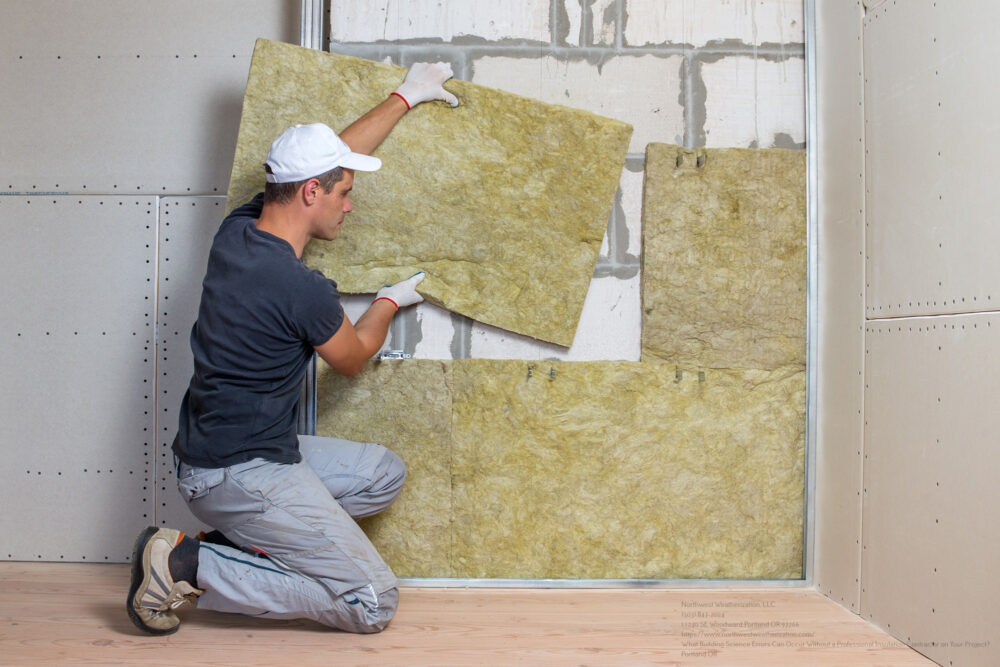
Air Leaks Hidden Behind Insulation
Installing insulation without proper air sealing allows conditioned air to escape. This increases energy loss and makes insulation less effective.
Trapped Moisture Inside Walls
Wall insulation installed without a vapor barrier can trap moisture. Over time, this degrades insulation materials and affects indoor air quality.
Crawl Space Insulation Mistakes
Crawl spaces require moisture control and airflow management. Poor crawl space solutions allow damp air to rise into living areas.
Thermal Bridging Through Framing
When insulation doesn’t account for framing, heat bypasses insulated areas, reducing thermal resistance and comfort.
Attic Insulation Blocking Ventilation
Attic insulation services that obstruct airflow can cause condensation under roof panels, increasing fire damage and rot risks.
Ignoring Ductwork Sealing
Duct sealing and HVAC insulation must work together. Skipping this step increases energy bills and uneven temperatures.
Northwest Weatherization helps homeowners avoid these mistakes by applying building science principles—not shortcuts.
Read more about insulation contractor in Portland OR
Want Insulation Contractor Services For Your Home?
Contact Northwest Weatherization Today For Trusted Guidance.
Why These Errors Cost More Than Homeowners Expect
Building science errors rarely fail immediately. They quietly raise energy costs, strain HVAC systems, and reduce energy performance. Over time, moisture problems lead to repairs that far exceed the original insulation cost.
Poor insulation decisions also affect sound control, indoor comfort, and resale inspections. Buyers increasingly request home energy audits, and deficiencies in air barriers or thermal envelope design can lower building value.
Northwest Weatherization has earned trust as a reputable insulation contractor by preventing these hidden costs before they appear.
How an Insulation Contractor Applies Science Instead of Guesswork
Professional insulation contractors don’t start with materials—they start with analysis. A qualified insulation contractor in Portland OR evaluates how the entire structure functions as a system.
This includes assessing airflow, identifying moisture risks, and understanding how insulation interacts with HVAC efficiency. For example, spray foam insulation may be ideal for one area, while blown-in insulation or fiberglass insulation performs better elsewhere.
Proper insulation installation considers attic insulation, wall insulation, floor insulation, and crawl spaces as interconnected zones rather than isolated upgrades.
Best Practices Professionals Follow to Prevent Building Science Failures
Professionals rely on proven methods rooted in building science and regional conditions.
- Evaluate the thermal envelope and air barriers
- Identify moisture pathways and install a moisture barrier where needed
- Match insulation materials to specific locations
- Coordinate ductwork sealing and HVAC insulation
- Verify ventilation paths remain unobstructed
These steps ensure insulation supports long-term energy savings rather than creating future problems. That’s why experienced insulation specialists focus on performance, not just coverage.
Expert Insights From Real-World Insulation Projects
Insulation professionals often encounter homes where previous upgrades created unintended consequences. Northwest Weatherization frequently sees cases where spray-in insulation was applied correctly, but air sealing work was skipped. The result? Condensation inside walls and declining indoor air quality.
In another common scenario, attic projects increase insulation depth without addressing ventilation. This traps moisture under roof panels and reduces insulation lifespan. These outcomes aren’t caused by bad materials—they’re caused by incomplete building science planning.
The lesson is clear: insulation works best when every decision considers airflow, moisture, and heat movement together.
Key Building Science Lessons Homeowners Should Remember
Insulation is part of a system, not a standalone fix.
Homeowners should remember:
- Air barriers matter as much as insulation thickness
- Moisture control protects long-term performance
- Crawl spaces influence indoor air quality
- Attic insulation must respect ventilation
- Energy efficiency depends on coordination, not shortcuts
These principles align with standards like the International Energy Conservation Code and programs supported by organizations such as the Energy Trust. Following them leads to measurable cost decrease and improved energy solutions.
Northwest Weatherization Delivers Insulation Guided by Science, Not Guesswork
We at Northwest Weatherization provide the best solutions to our customers because insulation should enhance comfort, protect the structure, and improve energy efficiency—not create hidden problems. Our team applies building science principles across attic insulation, wall insulation, floor insulation, crawl space cleaning, and vapor barrier installation.
We showcase our excellent services through careful evaluations, compliant insulation installation, and long-term performance that supports customer satisfaction. From insulation removal to complete weatherization service upgrades, every project is designed to prevent costly building science errors.
If you want insulation that truly performs, contact Northwest Weatherization for expert insulation services and partner with a trusted insulation contractor in Portland OR.
insulation contractor near me in Portland OR
Want Insulation Contractor Services For Your Home?
Contact Northwest Weatherization Today For Trusted Guidance.