
Attic Insulation for Portland’s Varied Housing Styles
Northwest Weatherization helps homeowners manage energy bills with professional attic insulation services throughout Portland, OR. From older homes near the Alberta Arts District and Sellwood-Moreland to converted lofts and renovated properties around the Pearl District, attic conditions can vary significantly. Thin insulation, hidden air leaks, and aging materials can all contribute to heat loss, uneven temperatures, and reduced indoor comfort.
Portland’s cool, wet winters and increasingly warm summer periods make attic performance important in every season. A properly insulated attic slows heat transfer through the roof assembly, while air sealing helps limit conditioned air escaping through gaps around wiring, plumbing, framing, and access points.
Our free home energy assessment identifies whether the attic needs added insulation, targeted insulation removal, or a full replacement before new material is installed.
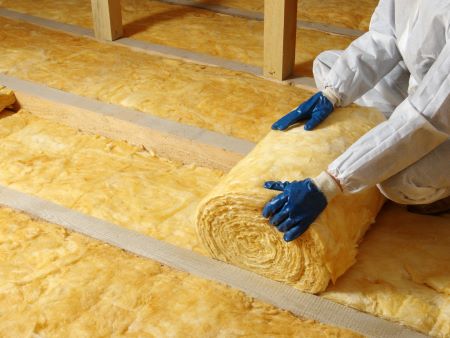
What Your Attic May Be Telling You
Attic insulation problems often show up inside the living space before homeowners look above the ceiling. Warning signs can include:
- Upper rooms that become unusually hot in summer
- Cold ceilings or bedrooms during winter
- Heating and cooling equipment running frequently
- Drafts near attic access panels or ceiling fixtures
- Uneven or compressed insulation materials
- Visible roof staining or damp insulation
- Energy costs increasing without a clear explanation
A home near Pittock Mansion or Forest Park may experience more shade and wind exposure than a property near Mississippi Avenue. Likewise, older homes near Powell’s Books and the Portland Art Museum may include remodels, finished attic areas, or mechanical upgrades that disrupted previous insulation projects.
These differences make an on-site evaluation more useful than simply adding a standard amount of blown-in insulation.
Attic Improvements Based on Existing Conditions
Adding Insulation Where Coverage Is Insufficient
Attic insulation installation can improve energy efficiency when existing material is clean and dry but too thin or uneven. Cellulose insulation is often installed as blown-in insulation because it can fill irregular spaces around framing and utility penetrations.
The installer must preserve ventilation pathways and avoid compressing existing materials. The goal is consistent coverage, not simply placing more insulation wherever it is easiest to reach.
Replacing Wet, Damaged, or Contaminated Material
Insulation removal may be recommended when existing material has been affected by moisture, pests, construction debris, or prolonged compression. New insulation should not be installed over damage that could conceal an active roof leak or air-quality concern.
Once the affected material is removed, technicians can inspect the attic deck, identify repair needs, and prepare the area for replacement.
Sealing Air Pathways Before Installation
Air sealing addresses accessible gaps around pipes, electrical penetrations, attic hatches, framing transitions, and other openings. Completing this step before installing insulation can reduce heat loss and help the finished system perform more effectively.
Not every opening should be sealed. Required ventilation and combustion-safety considerations must remain intact.
Addressing Moisture Below the Home
Although the primary focus may be the attic, moisture in the crawl space can also affect home comfort and indoor air conditions. Vapor barrier installation may be recommended when exposed soil is contributing moisture beneath the house. Coordinating attic and crawl space improvements can produce a more complete weatherization plan.
Portland Experience With Complex Insulation Projects
Northwest Weatherization brings 16 years of experience to insulation and air-sealing projects across the Pacific Northwest. Our PTCS and LEAD Certified Technicians understand how older construction, ventilation, moisture, and insulation interact.
We are a Trade Ally of Energy Trust of Oregon and have received the Angie’s List Super Service Award since 2013. Homeowners can expect:
- Licensed and insured technicians
- Careful evaluation before recommendations are made
- High-quality insulation materials
- Clear explanations of removal and installation needs
- Protection of occupied areas during the project
- Reliable scheduling and communication
- Guidance regarding qualifying energy rebates
We serve Portland neighborhoods including the Pearl District, Alberta Arts District, Sellwood-Moreland, Mississippi Avenue, and areas near Lan Su Chinese Garden and Forest Park.
Reviews and Attic Energy Assessments
Here’s what our clients are saying about working with Northwest Weatherization.


Schedule a free home energy assessment with Northwest Weatherization to learn whether your Portland, OR home needs attic insulation installation, insulation replacement, air sealing, or related vapor barrier work.
Frequently Asked Questions About Attic Insulation in Portland
More insulation may be appropriate when the existing material is dry, clean, evenly distributed, and compatible with the proposed upgrade. Replacement becomes more likely when insulation is wet, compressed, contaminated, heavily disturbed, or no longer covering the attic consistently.
In Portland, OR, older homes near Sellwood-Moreland, Alberta Arts District, and Mississippi Avenue may contain several types of insulation installed during different renovation periods. Some sections may remain usable while others have been affected by roof leaks, electrical work, pests, or storage.
A professional assessment should review material condition, depth, ventilation, air leaks, and moisture staining before a recommendation is made. Adding cellulose insulation over damaged material may conceal the source of the problem and reduce the value of the project.
Northwest Weatherization determines whether the attic needs a simple top-up, selective insulation removal, or full replacement based on the visible condition of the space and the home’s comfort concerns.
In many cases, yes. Air sealing is usually easier and more effective before blown-in insulation covers the attic floor. Common leakage points include gaps around plumbing, wiring, ceiling fixtures, attic hatches, and framing transitions.
These small openings can allow heated or cooled air to escape even when the attic has a substantial amount of insulation. In older Portland, OR homes near the Portland Art Museum or Powell’s Books, decades of electrical, plumbing, and remodeling work may have created multiple hidden pathways.
A trained insulation contractor should identify which gaps can be safely sealed while preserving required ventilation. Combustion appliances, exhaust systems, and heat-producing fixtures may require special clearance or additional safety measures.
Combining air sealing with attic insulation can improve thermal performance and reduce drafts more effectively than insulation alone. The exact scope should be based on an inspection rather than an assumption that every opening should be closed.
Cellulose insulation is commonly used in Portland attics because blown-in installation can create consistent coverage around irregular framing and hard-to-reach areas. Other insulation materials may also be suitable depending on access, existing products, moisture conditions, and the attic’s design.
The material itself is only one part of performance. Proper depth, even distribution, ventilation protection, and air sealing all affect results. Insulation that is compressed, installed over wet surfaces, or blocking vents may not perform as intended.
A Pearl District conversion may have very different attic access than a detached home near Forest Park or Pittock Mansion. Homes in Sellwood-Moreland may also contain additions or finished upper levels that require a more detailed approach.
Northwest Weatherization evaluates the attic before recommending cellulose insulation or another material. The goal is to select an option that fits the construction and supports long-term energy efficiency.
Attic insulation costs depend on square footage, access, existing material condition, preparation, and whether insulation removal or air sealing is required. Adding blown-in insulation to a clean and accessible attic generally costs less than removing wet material, correcting ventilation, and completing a full replacement.
Portland, OR homes can present very different working conditions. Older properties near Alberta Arts District may have narrow access openings, while remodeled homes near Mississippi Avenue or the Pearl District may contain several attic sections or finished spaces.
A useful estimate should separate removal, preparation, air sealing, materials, installation, and cleanup. Homeowners should be cautious of pricing based only on attic size because it may not account for moisture, contamination, or difficult access.
Northwest Weatherization begins with a free home energy assessment and can help determine whether qualifying Energy Trust of Oregon rebates are available for the proposed insulation project.
Yes. Attic insulation slows heat movement in both directions. During winter, it helps limit conditioned heat escaping through the ceiling. During summer, it reduces the rate at which roof heat enters the rooms below.
This can be particularly helpful in Portland, OR homes with upper bedrooms, finished attic rooms, or limited shade. Properties near the Pearl District or Mississippi Avenue may receive more direct sun, while homes near Forest Park can have different shade and moisture conditions.
Insulation alone may not solve every comfort problem. Air leaks, inadequate ventilation, duct issues, and solar exposure can also affect indoor temperatures. If the attic contains damaged insulation or blocked vents, those concerns should be corrected as part of the project.
A home energy assessment helps determine whether attic insulation, air sealing, insulation replacement, or another improvement is most likely to support year-round home comfort.
Check Out Our Related Blogs!
- What Thermal Lag Factors are Considered When Upgrading Attic Insulation for Peak Climate Performance?
- How Does Attic Insulation Interact With Roof Deck Ventilation to Prevent Condensation Cycles?
- How Does Attic Insulation Influence Stack Effect Pressure Differentials Within Multi-Level Homes?
- How Does a Licensed Insulation Contractor Ensure Code Compliance Across Attics, Walls and Crawlspaces?
- How Important is Attic Insulation, and Do I Need It?