
Crawl Space Cleaning for Portland Homes
Northwest Weatherization provides professional vapor barrier and crawl space cleaning services for homeowners throughout Portland, OR. Beneath homes near Sellwood-Moreland, the Alberta Arts District, Mississippi Avenue, and other established neighborhoods, crawl spaces can collect torn insulation, construction debris, pest waste, damp materials, and deteriorated ground coverings. Cleaning the area creates a safer foundation for moisture control, repairs, and future weatherization work.
Portland’s long wet season, mature tree canopy, and older housing stock make crawl space maintenance especially important. Homes near Forest Park Conservancy and Pittock Mansion may remain shaded and damp for extended periods, while properties closer to the Pearl District or Powell’s Books may have older foundations modified during remodeling. A detailed crawl space inspection helps determine whether the space needs debris removal, damaged-material cleanup, pest-related remediation, or a new moisture-control system.
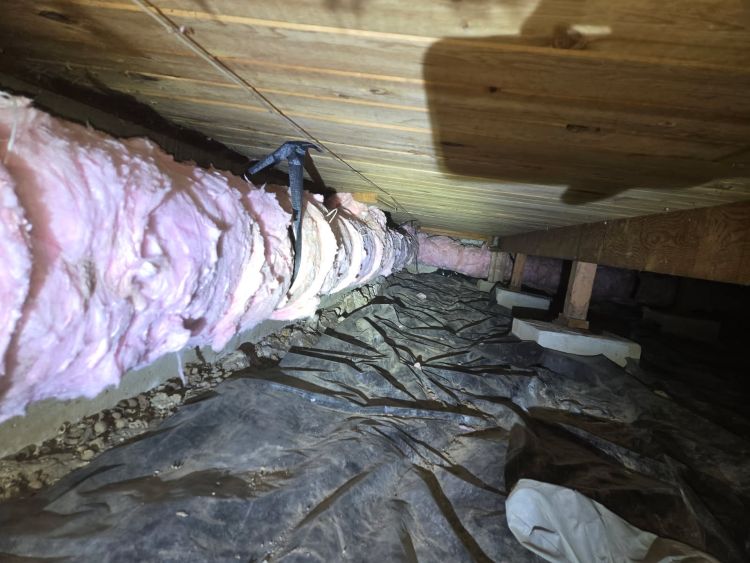
Problems Hidden Beneath the Floor
Crawl spaces are easy to overlook until odors, cold floors, or pest activity become noticeable indoors. During an inspection, technicians may find:
- Wet or fallen insulation
- Rodent nesting materials and droppings
- Torn crawl space vapor barriers
- Standing debris from past repairs
- Open entry points around pipes or vents
- Moisture staining on framing
- Damaged air ducts
- Early signs of wood rot
- Restricted ventilation space
A rodent infestation can damage insulation and ductwork while introducing contaminated materials. Pest infestations may also return if gaps around foundation vents, utility penetrations, or access doors remain open. Cleaning should therefore be paired with identifying the conditions that allowed the problem to develop.
A Crawl Space Cleaning Process Built Around the Property
Inspection and Condition Documentation
The process begins with a crawl space inspection. Technicians assess access, insulation, moisture, ventilation, pests, plumbing, ductwork, and the condition of the ground covering.
A bungalow near the Alberta Arts District may have a shallow foundation and decades of accumulated material, while a home in Sellwood-Moreland may contain additions with several separate crawl space sections. These differences influence the cleanup plan.
Removal of Debris and Damaged Materials
Loose debris, deteriorated insulation, old plastic, and pest-related materials are removed where included in the approved scope. Clearing the space allows technicians to see foundation walls, pipes, air ducts, and framing more clearly.
Active leaks, structural concerns, extensive wood rot, and live pest activity may require another qualified professional. Northwest Weatherization explains these findings rather than covering them with new materials.
Preparation for Long-Term Moisture Control
Once the crawl space is clean, homeowners may consider installing a new vapor barrier. Crawl space vapor barriers limit water vapor rising from exposed soil and create a cleaner ground surface.
When dampness affects foundation walls or remains persistent despite basic ground coverage, crawl space encapsulation may be considered. Encapsulation provides broader moisture control by extending durable barrier material beyond the soil surface and sealing appropriate seams and penetrations.
We Also Offer:
Portland Experience with Difficult Crawl Spaces
Northwest Weatherization has 16 years of experience working in Pacific Northwest crawl spaces. Our PTCS and LEAD Certified Technicians understand how moisture, insulation, ventilation, and indoor air movement interact.
We are a Trade Ally of Energy Trust of Oregon and have received the Angie’s List Super Service Award since 2013. Homeowners receive:
- Licensed and insured professional service
- Clear findings from the initial inspection
- Careful handling of damaged materials
- Practical recommendations based on actual conditions
- Reliable communication throughout the project
- Guidance regarding qualifying energy rebates
Our team serves neighborhoods near Lan Su Chinese Garden, the Portland Art Museum, Forest Park, Mississippi Avenue, and throughout Portland.
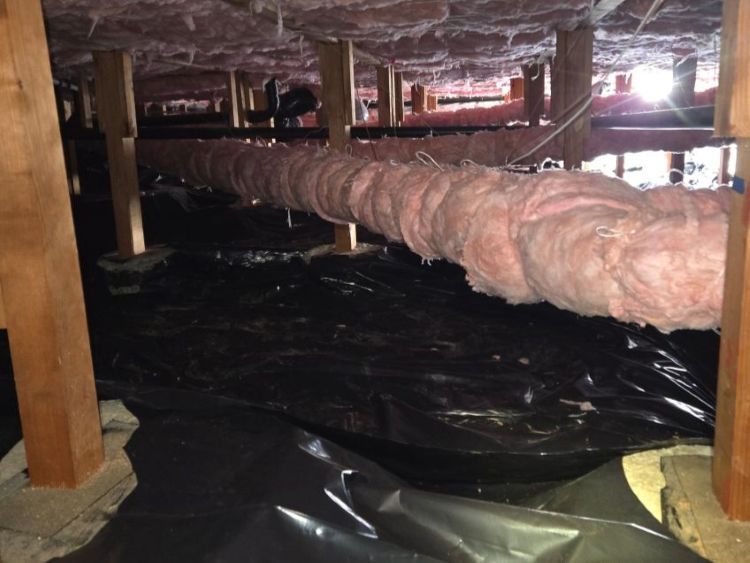
Reviews and Crawl Space Assessments
Here’s what our clients are saying about working with Northwest Weatherization.


Gain peace of mind about what is beneath your home. Contact Northwest Weatherization to schedule a free home energy assessment and request a crawl space cleaning estimate in Portland, OR.
Frequently Asked Questions About Crawl Space Cleaning in Portland
A professional crawl space cleaning begins with an inspection of the ground, insulation, framing, foundation walls, plumbing, air ducts, vents, and access points. The approved scope may include removing loose debris, deteriorated insulation, damaged plastic sheeting, abandoned materials, and pest-related waste.
In Portland, OR, older homes near Sellwood-Moreland, Mississippi Avenue, and the Alberta Arts District may contain several layers of materials from previous repairs. Technicians must distinguish ordinary debris from items connected to active plumbing, electrical, pest, or structural problems.
Cleaning does not automatically include every repair. Live pest infestations may require pest-control service, while significant wood rot, standing water, or damaged ductwork may need another qualified contractor. After cleanup, the homeowner may be advised to install a vapor barrier, close appropriate entry points, or consider crawl space encapsulation.
A written estimate should clearly explain what will be removed, what will remain, and which additional concerns were observed.
Possible signs include scratching sounds beneath the floor, droppings, nesting materials, damaged insulation, chewed ductwork, and openings around vents or utility penetrations. Homeowners may also notice unpleasant odors or increased pest activity inside the house.
A crawl space inspection can determine whether the evidence appears recent and identify likely entry points. In Portland, OR, homes near Forest Park Conservancy or other wooded areas may experience regular wildlife pressure, but rodent infestations also occur in dense neighborhoods near the Pearl District and Powell’s Books.
Cleanup should generally occur after active rodents have been removed or controlled. Otherwise, new contamination may appear soon after the space is cleaned. Entry points should also be evaluated so the infestation is less likely to return.
Northwest Weatherization can document visible conditions, remove affected materials included in the scope, and explain whether pest control, duct repair, insulation replacement, or moisture work should happen before the crawl space is restored.
Cleaning may support better indoor air quality by removing damp insulation, pest debris, dust, and decomposing materials from beneath the home. Air can move upward from the crawl space through openings around pipes, wiring, ducts, and framing, carrying odors and airborne particles into occupied rooms.
The effect varies by property. In a Portland, OR home near the Portland Art Museum or Lan Su Chinese Garden, renovation work may have created additional pathways between the foundation and living areas. Older homes in Sellwood-Moreland may also have leaky ductwork or open utility penetrations.
Cleaning alone may not solve every air-quality concern. Moisture sources, damaged air ducts, active pests, and exposed soil should also be addressed. Installing a vapor barrier, repairing appropriate openings, and replacing contaminated insulation may be part of a broader plan.
A professional inspection helps identify which conditions are most likely contributing to odors or poor indoor air.
A vapor barrier can usually be installed after loose debris and damaged materials have been removed and active water sources have been addressed. The soil surface must be accessible enough for the material to be fitted around supports, pipes, and foundation features.
In Portland, OR, prolonged seasonal rain can reveal standing water, plumbing leaks, or foundation seepage. A barrier should not be used to hide these problems. Drainage or plumbing repairs may need to occur first, especially in shaded areas near Forest Park or Pittock Mansion.
Standard crawl space vapor barriers primarily control moisture rising from exposed soil. When humidity affects foundation walls or remains persistent, crawl space encapsulation may be considered instead.
The correct timing depends on the crawl space’s condition, access, moisture level, and planned insulation work. Northwest Weatherization evaluates these factors and explains whether the barrier should be installed immediately after cleaning or after separate repairs are completed.
Pricing depends on crawl space size, clearance, access, debris volume, contamination, insulation condition, and whether old vapor barrier material must be removed. A clean, open crawl space with light debris generally requires less labor than a confined area containing wet insulation, rodent waste, damaged ducts, or multiple foundation sections.
Portland homes vary widely. A compact house near Mississippi Avenue may have limited access, while an older property in Sellwood-Moreland may contain additions with separate crawl spaces. These conditions affect labor and disposal requirements.
A detailed estimate should identify inspection, material removal, cleanup, disposal, and any optional vapor barrier or encapsulation work. Pest control, structural repairs, plumbing, and duct replacement may be quoted separately by the appropriate professionals.
Northwest Weatherization begins with a free home energy assessment so homeowners receive recommendations based on visible conditions rather than a generic price.
Check Out Our Related Blogs!
- What is Included in a Professional Crawl Space Cleaning in Portland OR?
- How Do I Fix Moisture Issues with Crawl Space Cleaning in SW Portland OR?
- How Does a Licensed Insulation Contractor Ensure Code Compliance Across Attics, Walls and Crawlspaces?
- The Impact of Dead Animals in Crawl Spaces
- What to Do When You Have Water Damage in Your Crawl Space