Why Your Attic Doesn’t Just Store Heat—it Controls When and How it Moves.
Heat doesn’t move instantly—it lingers, delays, and shifts over time. That delay is called thermal lag, and it plays a major role in how your home feels throughout the day. When planning attic insulation in Portland OR, understanding thermal lag helps homeowners improve comfort, reduce energy bills, and stabilize indoor temperatures year-round.
Thermal lag is the time it takes for heat to pass through an insulating material. The longer the delay, the better your home resists outside temperature swings.
Thermal lag measures how long heat takes to move through insulation. During attic insulation upgrades, factors such as material density, thickness, and air sealing can influence this delay. Proper insulation increases thermal lag, reducing temperature swings, lowering energy costs, and improving indoor comfort in changing climates.
What Thermal Lag Really Means for Homes in Portland’s Changing Climate
In Portland, Oregon, the weather can shift quickly—cool mornings, warm afternoons, and damp evenings. That’s where thermal lag becomes important. It helps your home absorb and release heat slowly, rather than reacting instantly to outdoor changes.
Without proper insulation, heat flows quickly through the attic, causing uncomfortable temperature swings. But with the right insulation services, your home maintains a steady indoor climate.
People Also Ask: Why does my house heat up quickly during the day but cool down fast at night?
That’s a classic sign of poor thermal lag. Insufficient insulation or low-density materials allow heat to pass through too quickly.
Northwest Weatherization performs attic evaluations, inspections and assessments to determine how thermal resistance and airflow affect each home’s performance.
Why Thermal Lag Directly Impacts Energy Savings and Comfort
Thermal lag isn’t just a technical concept—it has real-world benefits.
When heat movement is delayed, your home experiences fewer temperature fluctuations. This means your cooling system doesn’t have to work as hard during hot afternoons, and your heating system maintains warmth longer during cold nights.
According to the U.S. Department of Energy’s insulation and energy efficiency guide, proper insulation can significantly reduce heating and cooling costs while improving indoor comfort.
Homes with better thermal lag also experience improved air quality and reduced noise pollution, making living spaces more comfortable overall.
Northwest Weatherization has helped homeowners across the Portland area achieve noticeable energy savings by optimizing insulation performance.
Want Better Attic Insulation for Your Home?
Contact Northwest Weatherization today for reliable and efficient service.
5 Overlooked Factors that Reduce Thermal Lag in Attic Insulation
Thermal lag isn’t just about adding more insulation—it’s about choosing and installing it correctly. Here are common issues that weaken performance:
1. Using low-density insulation materials, lightweight materials may lack the mass needed to slow heat transfer effectively.
2. Skipping air sealing. Air leaks allow heat to bypass insulation entirely, reducing thermal resistance.
3. Ignoring old insulation conditions. Old insulation loses effectiveness and may trap moisture, lowering performance.
4. Uneven blown-in insulation coverage. Gaps and thin spots create weak points where heat moves quickly.
5. Poor ventilation balance. Improper roof vents disrupt airflow and reduce insulation efficiency.
Northwest Weatherization addresses these issues with complete insulation installation, combining air sealing, insulation replacement, and ventilation improvements for optimal results.
Attic Insulation in Portland OR: How Thermal Lag Improves Home Performance
A well-designed attic insulation in Portland OR system focuses on more than just R-value—it considers how insulation behaves over time.
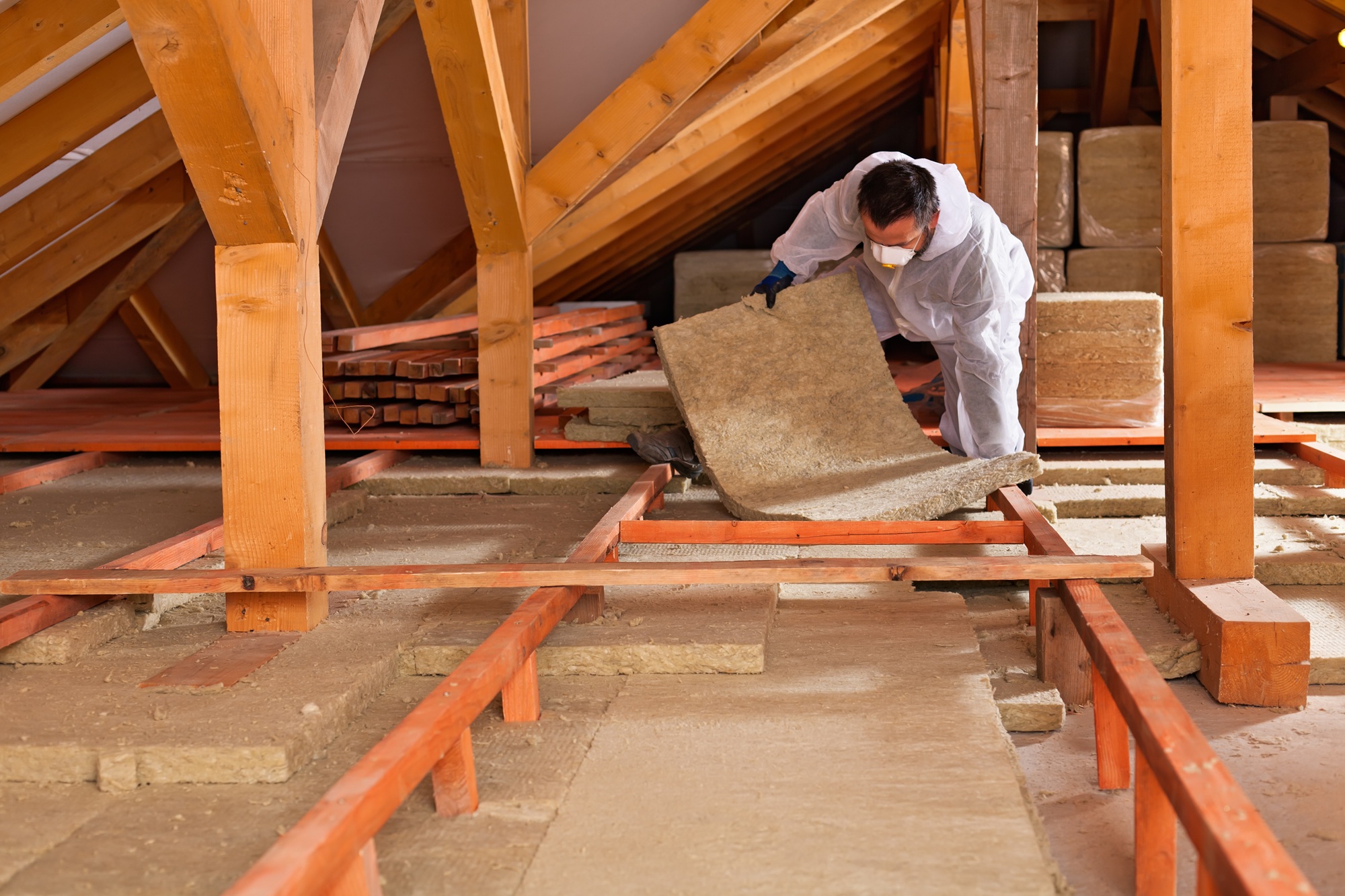
Materials like cellulose insulation, made from recycled paper fibers, provide excellent thermal lag due to their density. Similarly, blown-in fiberglass and batt insulation offer strong thermal resistance when properly installed.
By increasing thermal lag, these materials slow heat flow, keeping homes cooler during the day and warmer at night. This reduces reliance on heating and cooling systems, lowering energy costs.
Northwest Weatherization uses high-performance insulation and advanced installation techniques to create a consistent thermal barrier that enhances both comfort and energy efficiency.
The Professional Approach to Maximizing Thermal Lag
Improving thermal lag requires a strategic approach. Professionals don’t just add insulation—they design a system.
Here’s how experts do it:
- Comprehensive attic evaluation: Identify insulation gaps, air leaks, and ventilation issues.
- Air-sealing critical areas prevents heat from bypassing insulation through leaks.
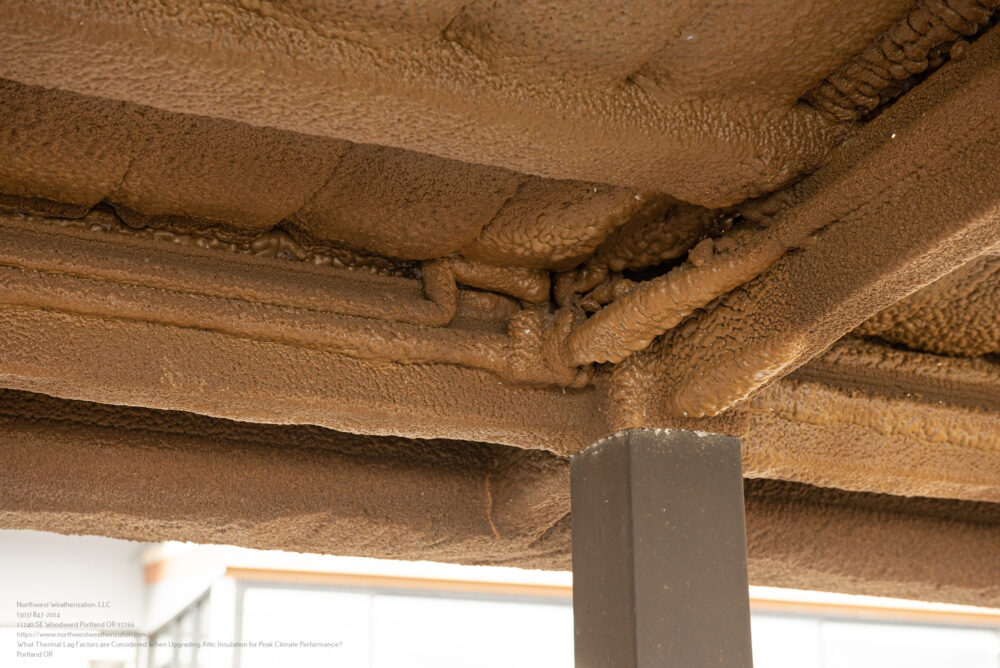
- Install high-density insulation materials. Use cellulose, spray foam, or fiberglass insulation for improved thermal resistance.
- Optimize ventilation and airflow. Ensure roof vents support consistent air movement.
This process ensures that insulation performs effectively over time, improving home insulation services outcomes.
Expert Insight: Why Thickness Alone Doesn’t Guarantee Better Results
It’s tempting to think that thicker insulation always means better performance. But without proper installation and airflow control, thickness alone won’t solve the problem.
In one Portland home, Northwest Weatherization found excessive blown-in insulation layered over old insulation without air sealing. The result? Poor thermal lag and rising energy bills. After removing old insulation and sealing air leaks, the home’s performance improved dramatically.
The lesson is clear: quality installation matters more than quantity.
What Homeowners Should Know Before Upgrading Attic Insulation
Before starting an attic insulation project, it’s important to understand how different factors work together.
Thermal lag depends on material choice, installation quality, and airflow control. Ignoring any one of these can reduce overall performance.
Key considerations include:
- Choosing the right insulation types for the Portland area
- Ensuring proper air sealing before installation
- Maintaining balanced ventilation
- Replacing old or damaged insulation
When these elements align, homeowners benefit from improved energy efficiency, lower energy bills, and greater comfort.
Why Northwest Weatherization is the Smart Choice for Your Home
We at Northwest Weatherization provide the best solutions to our customers by focusing on complete attic systems that improve thermal lag and overall performance. We understand how insulation, airflow, and ventilation must work together to deliver lasting results.
We proudly offer expert attic insulation, air sealing, and insulation replacement services designed to reduce energy costs and enhance home comfort. Our team ensures every project meets the highest standards of quality and efficiency.
If you’re ready to improve your home’s performance, contact Northwest Weatherization today for trusted solutions. Experience the benefits of professional attic insulation in Portland OR.
Want Better Attic Insulation for Your Home?
Contact Northwest Weatherization today for reliable and efficient service.