
Attic Insulation Solutions for West Linn’s Varied Rooflines
Northwest Weatherization is an experienced insulation contractor providing attic insulation services for homeowners in West Linn, OR. From historic properties in the Willamette Historic District to larger homes in Barrington Heights, Parker Crest, and Tanner Basin, attic layouts can vary significantly in access, ventilation, roof pitch, and existing insulation materials. Those differences make a property-specific assessment essential before new material is installed or old insulation is replaced.
West Linn’s Pacific Northwest climate creates year-round performance demands. During colder months, inadequate attic coverage can contribute to heat loss and rising energy costs. In summer, heat transfer from the roof may make upper rooms uncomfortable and place additional strain on cooling equipment. Northwest Weatherization offers a free home energy assessment to identify the most appropriate insulation solutions for each property.
How Attic Problems Show Up Inside the Home
An attic may be out of sight, but its condition often affects everyday comfort. Homeowners may notice:
- Upper rooms that become excessively warm
- Bedrooms that cool quickly during winter
- Uneven temperatures between floors
- Drafts around attic access panels
- Heating and cooling equipment running frequently
- Visible gaps or compressed batt insulation
- Wet, stained, or disturbed materials
- Increasing energy costs without a clear cause
A home near Fields Bridge Park may have a straightforward attic floor but prolonged seasonal moisture around the property. Hillside residences in Barrington Heights or Parker Crest may include complex rooflines, vaulted ceilings, and several separate attic areas. Older homes near McLean House can contain insulation installed during multiple renovation periods.
These conditions determine whether the attic needs additional material, selective replacement, or more extensive preparation.
Choosing Between Installation and Replacement
Adding Insulation Where Existing Material Still Performs
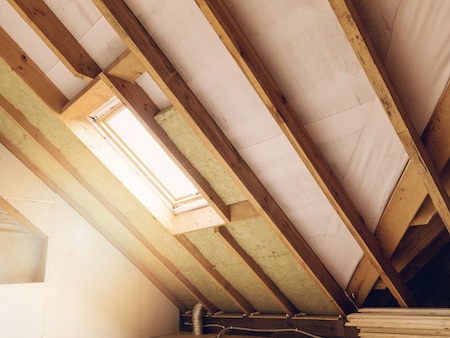
Attic insulation installation may be appropriate when the current material is dry, clean, securely positioned, and compatible with an upgrade. Cellulose insulation or blow-in loose-fill fiberglass insulation can provide coverage around irregular framing, pipes, and wiring.
Batt insulation may suit open, consistently framed sections where each piece can be fitted without compression or gaps. The correct method depends on access, ventilation, and existing insulation—not simply product preference.
Before installation, technicians inspect for visible moisture, open air pathways, and blocked vents. Appropriate preparation helps the new material control heat transfer more effectively.
Replacing Attic Insulation After Damage
Attic insulation replacement may be necessary when materials are wet, contaminated, pest-damaged, or heavily compressed. Removal also provides access to inspect the roof deck, framing, utility penetrations, and ventilation routes.
Replacement does not always mean clearing the entire attic. If one area was affected by a past leak while surrounding material remains usable, selective removal may be sufficient. New insulation should only be installed after the source of damage has been corrected.
Connecting Attic Performance to the Rest of the Home
Attic insulation is one part of the building envelope. Air leakage around wiring, plumbing, recessed fixtures, and attic hatches can allow conditioned air to bypass the insulation. Addressing accessible gaps before installation may improve performance and help preserve home comfort.
The crawl space may also affect the home’s overall efficiency. Damaged floor insulation, exposed soil, or an incomplete vapor barrier can contribute to cold floors and moisture concerns even when the attic is properly insulated.
Northwest Weatherization considers these related conditions during the energy assessment so homeowners receive a clear order of priorities rather than an isolated attic recommendation.
Licensed and Insured Service with Regional Experience
Northwest Weatherization has 16 years of experience serving homeowners throughout the Pacific Northwest. Our PTCS and LEAD Certified Technicians understand how insulation, ventilation, moisture, and airflow interact in older homes, remodeled properties, and newer construction.
We are a Trade Ally of Energy Trust of Oregon and have received the Angie’s List Super Service Award since 2013. Homeowners can expect:
- Licensed and insured technicians
- Recommendations based on visible conditions
- Clear comparisons of insulation materials
- Protection of ventilation and safety clearances
- Careful preparation before installation
- Reliable scheduling and communication
- Guidance regarding qualifying energy rebates
Our team serves Marylhurst, Tanner Basin, Parker Crest, Barrington Heights, and homes near Fields Bridge Park and the Willamette Historic District.
West Linn Reviews and Attic Assessments
Here’s what our clients are saying about working with Northwest Weatherization.


Schedule a free home energy assessment with Northwest Weatherization to evaluate your attic insulation and request a detailed estimate for installation or replacement in West Linn, OR.
Frequently Asked Questions About Attic Insulation in West Linn
Common signs include high energy costs, rooms that lose heat quickly, upper floors that become too warm, and visible sections where insulation is thin, compressed, or missing. Drafts around attic access points may also indicate air leakage that should be addressed before more material is installed.
In West Linn, OR, the home’s layout can make the issue less obvious. A hillside property in Parker Crest may have several attic sections, while an older home in the Willamette Historic District may contain a mix of cellulose insulation, fiberglass, and batt insulation from previous improvements.
A professional assessment should review material depth, condition, ventilation, moisture, and accessible air pathways. Northwest Weatherization determines whether the attic needs a simple top-up, selective replacement, or broader removal. Adding insulation without addressing wet materials, roof leaks, or blocked vents may conceal the problem rather than improve performance.
Both materials can work effectively when properly matched to the attic. Cellulose insulation can provide broad coverage around irregular framing and utility penetrations. Blow-in loose-fill fiberglass insulation may also be suitable for creating consistent depth across open attic floors.
The better option depends on existing materials, access, ventilation, moisture history, and the roof structure. A home near Marylhurst may have a relatively open attic, while a Barrington Heights property may include several roof elevations and hard-to-reach sections.
Material choice is only one part of the project. The insulation must be distributed evenly, kept away from required vents, and installed after active moisture or pest concerns are resolved. Existing insulation should also be evaluated for compatibility.
Northwest Weatherization explains the practical differences during the free assessment and recommends materials based on the actual conditions in the West Linn, OR home.
No. Existing insulation may remain when it is clean, dry, evenly distributed, and compatible with the planned installation. Removing serviceable material can add unnecessary labor and disposal costs.
Replacement becomes more appropriate when insulation is wet, contaminated, heavily compressed, pest-damaged, or covering evidence of an unresolved roof leak. In West Linn, OR, homes near McLean House or the Willamette Historic District may contain several insulation layers from earlier renovations. One section may remain usable while another requires removal.
A qualified insulation contractor should inspect the attic before deciding. Selective replacement can preserve functional material while creating access for repairs or preparation in damaged areas.
Northwest Weatherization documents what can remain, what should be removed, and how the new insulation will integrate with the existing system. This helps create a clear scope without assuming every attic requires complete removal.
Yes. Attic insulation slows heat transfer from the hot roof and attic into the rooms below. This can help upper floors remain more comfortable and may reduce how often cooling equipment needs to run.
The amount of improvement depends on insulation depth, air leakage, ventilation, roof exposure, and the home’s design. A shaded property near Fields Bridge Park may perform differently from a hillside home in Tanner Basin with greater afternoon sun exposure.
Insulation alone may not resolve every warm-room issue. Air leakage, duct conditions, windows, vaulted ceilings, and ventilation can also affect summer comfort. If existing insulation is compressed or damaged, replacement may be more useful than simply adding another layer.
Northwest Weatherization evaluates these factors during the energy assessment and explains whether insulation installation, replacement, or additional preparation should be prioritized.
Cost depends on attic size, access, material choice, existing insulation condition, and required preparation. Adding loose-fill material to a clean, accessible attic generally costs less than removing contaminated insulation, completing repairs, and installing a full replacement system.
West Linn homes vary considerably. A property in Tanner Basin may have straightforward access, while a Barrington Heights or Parker Crest home may contain multiple rooflines, vaulted areas, or narrow attic sections. Moisture, pest activity, disposal, and safety requirements can also affect labor.
A detailed estimate should separate removal, preparation, insulation materials, installation, and any related air-sealing work. Homeowners should also be informed when roofing, pest-control, electrical, or moisture repairs must occur first.
Northwest Weatherization provides a free home energy assessment and can help identify qualifying Energy Trust of Oregon rebates for eligible attic improvements.
Check Out Our Related Blogs!
- What Thermal Lag Factors are Considered When Upgrading Attic Insulation for Peak Climate Performance?
- How Does Attic Insulation Interact With Roof Deck Ventilation to Prevent Condensation Cycles?
- How Does Attic Insulation Influence Stack Effect Pressure Differentials Within Multi-Level Homes?
- How Does a Licensed Insulation Contractor Ensure Code Compliance Across Attics, Walls and Crawlspaces?
- How Important is Attic Insulation, and Do I Need It?