
Moisture Control Beneath Lake Oswego Homes
Northwest Weatherization provides professional moisture control and vapor barrier installation for homeowners in Lake Oswego, OR. With extended Pacific Northwest rainfall, mature tree cover, shaded lots, and varied elevations, water vapor can accumulate beneath homes and affect insulation, wood components, energy efficiency, and indoor air quality. A properly designed crawl space system helps limit moisture movement before it contributes to odors, damaged building materials, or recurring comfort problems.
Properties near Tryon Creek State Natural Area may remain shaded and damp for long periods, while hillside homes in Mountain Park can experience runoff and drainage conditions that differ from flatter neighborhoods such as First Addition. Homes near George Rogers Park, McVey, and Lake Grove may also have older crawl spaces with torn ground coverings, exposed soil, or past insulation work that no longer performs as intended.
Northwest Weatherization offers a free home energy assessment to determine whether the property needs a new vapor barrier, targeted air sealing, or more comprehensive crawl space encapsulation.
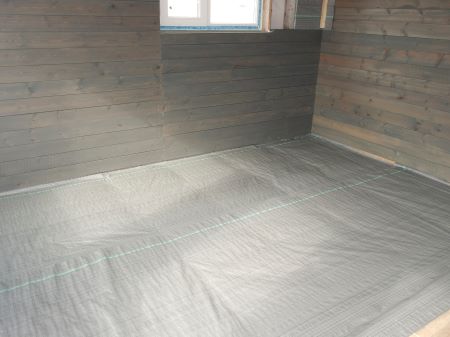
What Uncontrolled Water Vapor Can Do Over Time
Moisture rising from exposed soil can increase humidity throughout the crawl space. Because air moves through gaps around pipes, wiring, ducts, and framing, conditions below the home may influence the rooms above.
Possible warning signs include:
- Musty odors near floors or utility areas
- Damp, stained, or fallen insulation
- Condensation on pipes and foundation surfaces
- Cold flooring during winter
- Mold growth on susceptible materials
- Increased heat loss through the floor system
- Reduced indoor air quality
- Wood or other building materials remaining damp
A vapor barrier can reduce water vapor entering from the ground, but it cannot repair a plumbing leak, redirect exterior runoff, or remove standing water. Those concerns should be identified before the barrier is installed.
Crawl Space Solutions Based on the Level of Moisture Exposure
When the Ground Cover is Missing or Damaged
Vapor barrier installation involves covering exposed soil with durable material fitted around piers, posts, pipes, and foundation features. Sections should overlap appropriately, and vulnerable seams must be secured so the barrier does not easily shift or expose large areas of soil.
This insulation solution may be suitable when the crawl space is otherwise stable but contains torn plastic, uncovered ground, or incomplete moisture protection. Homes near Millennium Plaza Park or Lake View Village may have undergone renovations that disturbed older barriers or created new utility penetrations requiring careful fitting.
When Moisture Extends Beyond the Ground Surface
Crawl space encapsulation provides a broader level of control. Depending on site conditions, durable membrane material may cover the floor and extend up portions of foundation walls. Seams and penetrations are sealed to reduce uncontrolled moisture and air movement.
Encapsulation may be considered when the home has persistent humidity, recurring odors, foundation-wall dampness, or repeated insulation damage. It should be designed around drainage, access, ventilation, and the home’s construction rather than installed as a generic sealed package.
When Air Leakage Connects the Crawl Space to Living Areas
Air sealing may be recommended where accessible gaps allow crawl space air to move upward. Sealing appropriate plumbing, wiring, framing, and duct penetrations can support better air quality and reduce unwanted heat loss.
Required ventilation and combustion-safety considerations must remain intact. Professional assessment is important because making a home airtight without accounting for ventilation can create new concerns.
Regional Expertise for Lake Oswego Crawl Spaces
Northwest Weatherization has 16 years of experience working with Pacific Northwest homes. Our PTCS and LEAD Certified Technicians understand the relationship between crawl space moisture, insulation installation, airflow, and indoor comfort.
We are a Trade Ally of Energy Trust of Oregon and have received the Angie’s List Super Service Award since 2013. Our work is guided by:
- Licensed and insured insulation contractors
- Assessment of active moisture sources
- Careful preparation before installation
- Durable materials selected for the application
- Detailed fitting around structural obstacles
- Clear communication about related repairs
- Assistance identifying qualifying energy rebates
We serve First Addition, Evergreen, Lake Grove, Mountain Park, McVey, and neighborhoods surrounding Tryon Creek State Natural Area.
Reviews and Moisture-Control Assessments
Here’s what our clients are saying about working with Northwest Weatherization.
Protect the space beneath your home with a solution based on actual moisture conditions. Contact Northwest Weatherization to schedule a free home energy assessment and request a vapor barrier installation or crawl space encapsulation estimate in Lake Oswego, OR.
Frequently Asked Questions About Vapor Barriers in Lake Oswego
A vapor barrier can reduce one important source of crawl space moisture by limiting water vapor released from exposed soil. Lower humidity may make conditions less favorable for mold growth, particularly when the barrier provides consistent coverage and remains securely positioned.
However, a vapor barrier cannot guarantee that mold will never develop. Roof drainage problems, plumbing leaks, foundation seepage, poor grading, and wet building materials can continue adding moisture even after the soil is covered. Existing growth or contaminated insulation may also require separate professional evaluation and removal.
In Lake Oswego, OR, wooded and shaded properties near Tryon Creek State Natural Area or Lake Grove may dry more slowly after extended rain. A complete inspection should therefore examine the ground, foundation walls, plumbing, insulation, ventilation, and accessible framing.
Northwest Weatherization determines whether vapor barrier installation is sufficient or whether cleaning, air sealing, drainage correction, insulation replacement, or crawl space encapsulation should be considered as part of a broader moisture-control plan.
A vapor barrier focuses primarily on limiting moisture rising from exposed soil. The material covers the crawl space floor and is fitted around posts, utilities, and foundation obstacles. It may be appropriate when drainage is controlled and the primary concern is an incomplete or deteriorated ground covering.
Crawl space encapsulation is more extensive. The membrane may cover the floor, extend up portions of the foundation walls, and be sealed around seams and penetrations. The goal is to create a more controlled environment with less moisture and uncontrolled air exchange.
For a Lake Oswego, OR home in First Addition or Evergreen, a basic barrier may be enough when the crawl space is relatively dry. A shaded Mountain Park property with persistent wall moisture or recurring musty odors may require a broader evaluation.
Encapsulation should never be used to conceal active standing water or plumbing leaks. The recommendation must account for foundation design, drainage, ventilation, access, insulation condition, and the source of the moisture.
Yes. Air can move from the crawl space into occupied rooms through gaps around plumbing, wiring, ducts, flooring, and wall framing. When the area below contains damp insulation, musty odors, mold growth, pest debris, or moisture-damaged building materials, those conditions may influence indoor air quality.
The amount of movement varies by home. Heating equipment, exhaust fans, weather conditions, and natural pressure differences can all draw air upward. Homes near McVey, George Rogers Park, or other wooded Lake Oswego neighborhoods may also experience seasonal humidity that keeps crawl spaces damp.
Installing a vapor barrier can reduce moisture entering from the soil, but air-quality improvements may also require debris removal, insulation replacement, air sealing, or encapsulation. Active leaks and standing water must be corrected separately.
A professional assessment should identify both the moisture source and the pathways connecting the crawl space to the living area. Addressing only one of those factors may leave odors or air-quality concerns unresolved.
Pricing depends on crawl space size, clearance, accessibility, existing material, debris, and the type of system being installed. A clean space requiring a standard ground barrier generally involves less labor than a low-clearance crawl space containing wet insulation, damaged plastic, or complex foundation obstacles.
Crawl space encapsulation typically costs more because the membrane may extend up foundation walls and require more detailed seam and penetration sealing. Air sealing, cleaning, insulation replacement, and water-related repairs can also affect the total project price.
Lake Oswego, OR homes vary widely in design. Mountain Park properties may have split-level foundations, while homes near Lake View Village or First Addition may contain older additions and utility configurations that complicate installation.
Northwest Weatherization provides a free home energy assessment before preparing an estimate. The written scope should distinguish between removal, preparation, vapor barrier material, encapsulation, air sealing, and any separate repair work so homeowners can compare recommendations accurately.
Vapor barrier installation can be completed during any season when crawl space conditions allow safe, effective work. Many homeowners schedule an assessment during spring or summer after winter rain has revealed damp areas, drainage patterns, or damaged insulation. Others complete the work before fall to prepare for the next extended wet season.
Visible standing water, strong musty odors, wet insulation, or active moisture damage should be inspected promptly rather than delayed. These signs may indicate a plumbing, drainage, or foundation issue that a ground barrier alone cannot correct.
In Lake Oswego, OR, properties near Tryon Creek State Natural Area and other heavily shaded locations may retain moisture later into the year. Hillside runoff in Mountain Park can create different concerns than flatter lots near Millennium Plaza Park.
Scheduling an assessment first allows time to correct active water sources, prepare the crawl space, compare vapor barrier and encapsulation options, and review any energy rebates that may apply to related qualifying improvements.
Check Out Our Related Blogs!
- What Subfloor and Soil Conditions Must be Evaluated Before Professional Vapor Barrier Installation Begins?
- How Does Vapor Barrier Installation Control Vapor Diffusion To Protect Structural Components From Moisture Damage?
- How Does a Licensed Insulation Contractor Ensure Code Compliance Across Attics, Walls and Crawlspaces?
- Understanding Vapor Diffusion and Vapor Barriers
- Why You Need Vapor Barriers for Your Home