
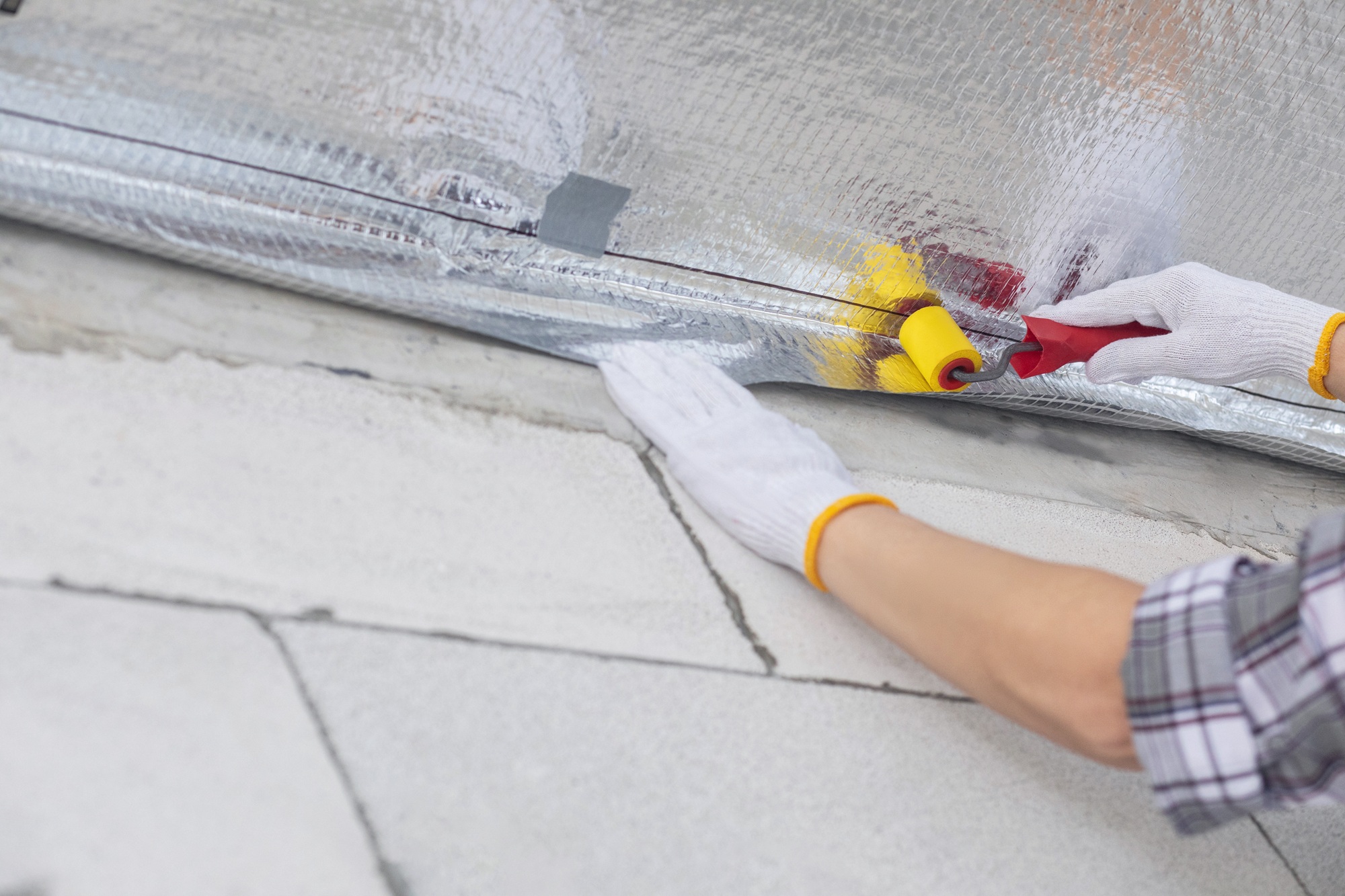
Why Proper Evaluation Beneath Your Home Determines Whether Moisture Control Actually Works
Most moisture problems don’t begin where you can see them. They start beneath your home—inside the crawl space, where soil conditions, humidity levels, and subfloor integrity quietly influence everything above. If these factors are ignored, even the best vapor barrier won’t perform as expected.
That’s why vapor barrier installation in Portland OR always begins with a thorough evaluation. Before installation, professionals assess soil moisture, drainage, and subfloor conditions to prevent future moisture damage, mold growth, and structural issues. A well-prepared foundation ensures long-term protection and improved energy efficiency.
Before installing a vapor barrier, contractors evaluate soil moisture, drainage conditions, subfloor integrity, and humidity levels. These factors determine how moisture moves through crawl spaces. Proper assessment ensures vapor barriers effectively prevent moisture intrusion, protect structural components, and improve indoor air quality and energy efficiency.
The Most Overlooked Crawl Space Issues that Cause Vapor Barrier Failure
Many installations fail not because of poor materials, but because critical conditions were ignored beforehand.
- One major issue is high soil moisture levels. Wet soil continuously releases water vapor, overwhelming the vapor barrier system.
- Another problem is poor drainage systems. Without perimeter drains or a sump pump, water seepage can accumulate beneath the crawl space.
- Subfloor damage is also common. Wood affected by moisture intrusion may already show signs of rot or structural instability.
- Air leakage also contributes to moisture buildup. Gaps around the rim joist or vent covers allow humid air to enter and circulate.
- Pest intrusion is another overlooked factor. Rodent damage and pest activity can tear or weaken vapor barriers over time.
Northwest Weatherization identifies these problems during in-person inspection services and crawl space cleaning. Their team ensures all underlying issues are resolved before installation begins.
What Really Happens Under Your Home—and Why it Matters
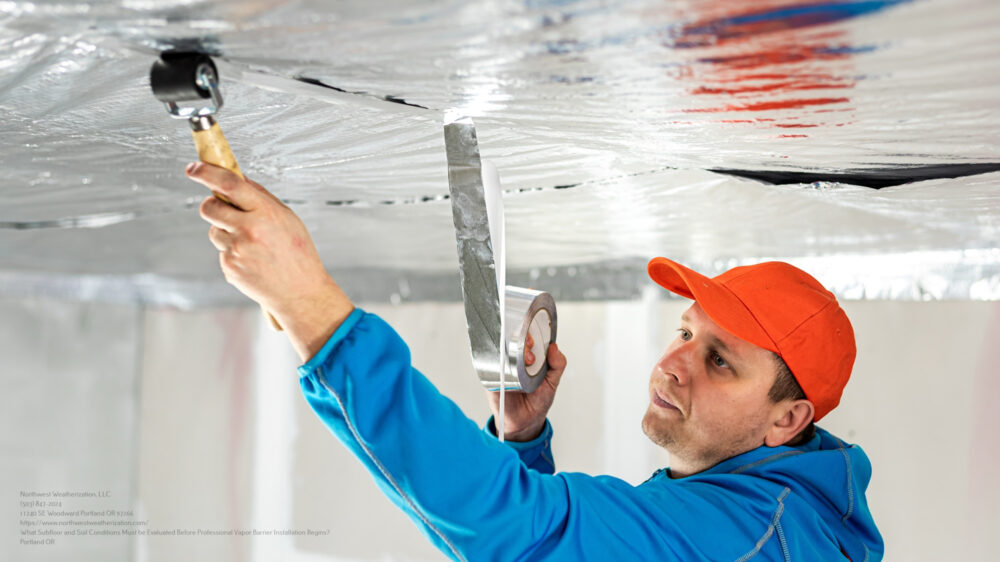
Crawl spaces in the Pacific Northwest are naturally exposed to moisture due to soil conditions and seasonal rainfall. Water vapor rises from the ground and enters the crawl space, creating humidity that affects insulation, wood framing, and air quality.
Many homeowners ask: Why can’t a vapor barrier fix everything on its own?
Because vapor barriers don’t eliminate moisture sources—they control how moisture moves. If soil conditions or drainage issues aren’t addressed first, moisture will still accumulate and eventually lead to structural damage.
According to the U.S. Department of Energy, managing moisture in crawl spaces requires both vapor barriers and proper drainage systems. Their guide on moisture control and crawl space conditions explains how vapor diffusion and ground moisture impact building performance.
Without proper evaluation, even professional vapor barrier installation can fail prematurely.
Want Professional Vapor Barrier Installation for Your Home?
Contact Northwest Weatherization Today for Expert Crawl Space Solutions.
Why Vapor Barrier Installation in Portland OR, Depends on Proper Site Evaluation
Every home has unique crawl space conditions, especially in the Greater Portland Metro Area. That’s why vapor barrier installation in Portland OR must be tailored to each property.
Professional installers evaluate:
- Soil moisture levels and relative humidity
- Drainage system effectiveness
- Presence of water seepage or damp basement conditions
- Structural integrity of the subfloor and framing
- Existing insulation effectiveness
These factors determine the type of vapor barrier needed, whether it’s a standard polyethylene sheet, a reinforced membrane, or a system like CleanSpace® with a bright white appearance for improved visibility.
By understanding these conditions, contractors can design a moisture control system that delivers long-term protection.
How Professionals Assess Subfloor and Structural Conditions Before Installation
Subfloor evaluation is a critical step in the installation process. If the structure above the crawl space is compromised, moisture control alone won’t solve the problem.
Technicians inspect the rim joist, support systems, and wooden framing for signs of rot, mold, or weakening. They also check for foundation damage that may require repairs, such as steel adjustable posts or helical piles.
Moisture readings are taken to determine humidity levels and identify areas of moisture infiltration.
If structural issues are found, repairs are completed before installing the vapor barrier. This ensures the system protects—not traps—existing problems.
Northwest Weatherization uses professional evaluation methods to ensure crawl spaces are structurally sound before installation begins.
Best Practices for Preparing Crawl Spaces Before Vapor Barrier Installation
Preparation is what separates a long-lasting vapor barrier from one that fails within a few years.
Contractors typically follow a structured approach:
- Crawl space cleaning and debris removal to eliminate contaminants
- Repair of damaged wood and structural components to restore stability
- Installation or repair of drainage systems, including perimeter drainage systems or sump pumps
- Sealing air leaks around vents, rim joists, and openings
Once these steps are completed, the vapor barrier can be installed effectively.
Additional upgrades may include crawl space encapsulation, pest control measures, and moisture management systems for enhanced protection.
These steps ensure the vapor barrier performs as intended and supports long-term structural integrity.
Real Example: How Proper Evaluation Prevented Costly Structural Damage
A homeowner in the Greater Portland Metro Area contacted Northwest Weatherization after noticing a musty smell and uneven flooring.
During the inspection, technicians discovered high soil moisture levels and water seepage due to a failing drainage system. The subfloor showed early signs of rot and mold growth.
Instead of immediately installing a vapor barrier, the team first repaired the drainage system, installed a sump pump, and reinforced weakened support systems.
Only after addressing these issues did they install a reinforced vapor barrier system.
The result was long-term moisture control, improved indoor air quality, and protection against further structural damage.
This case highlights the importance of proper evaluation before installation.
Key Takeaways Homeowners Should Understand Before Installing a Vapor Barrier
Vapor barrier installation is only effective when underlying conditions are properly addressed. Soil moisture, drainage systems, and structural stability all play a role in how well the system performs.
Ignoring these factors can lead to continued moisture problems, mold growth, and long-term structural damage.
Professional inspections help identify hidden issues and ensure the installation process delivers lasting results.
Homeowners who invest in proper preparation benefit from improved energy efficiency, better indoor air quality, and long-term protection against moisture damage.
Why Choosing Northwest Weatherization is the Smart Choice
We at Northwest Weatherization provide the best solutions to our customers by carefully evaluating crawl space conditions before every installation. Our team ensures that soil moisture, drainage systems, and structural components are properly addressed before installing vapor barriers.
We showcase our excellent services through detailed inspections, high-quality materials, and expert installation techniques that protect your home for years to come. Our experienced professionals focus on long-term moisture control, structural stability, and improved indoor air quality.
For reliable moisture protection and expert service, contact Northwest Weatherization for professional crawl space and insulation solutions in Portland, OR and experience the benefits of expert vapor barrier installation in Portland OR.
Want Professional Vapor Barrier Installation for Your Home?
Contact Northwest Weatherization Today for Expert Crawl Space Solutions.