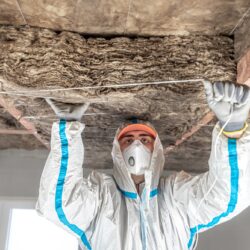
Insulation Installation for Better Comfort in Portland Homes
Northwest Weatherization helps homeowners improve energy efficiency through professional insulation installation in Portland, OR. Whether the property is an older home near the Alberta Arts District, a renovated residence around Mississippi Avenue, or a house in Sellwood-Moreland with several construction phases, insulation should be selected and installed around the building’s actual needs—not treated as a one-material project.
Portland’s Pacific Northwest weather creates year-round demands on the building envelope. During cool, damp winters, heat can escape through underinsulated attics and wall cavities. In warmer months, insufficient coverage may allow upper rooms to overheat. Moisture in a crawl space can further reduce performance, affect indoor air quality, and damage nearby insulating materials.
Our free home energy assessment helps identify where heat transfer, air leakage, or moisture control is limiting comfort before installation begins.
Where Insulation Gaps Affect the Home Most
Insulation problems can appear in several ways:
- Bedrooms that remain colder or warmer than nearby rooms
- Rising energy bills without a major change in usage
- Drafts near ceilings, walls, or attic access points
- Thin or uneven attic insulation
- Cold flooring above a crawl space
- Musty indoor air near lower-level rooms
- Heating and cooling equipment running frequently
A property near Forest Park Conservancy or Pittock Mansion may experience prolonged shade and damp ground conditions. Homes near Powell’s Books, Lan Su Chinese Garden, or the Portland Art Museum may contain older framing combined with modern mechanical upgrades. These local differences influence the recommended insulation materials and installation sequence.
Installation Solutions Based on How the Home is Used
For Upper Floors That Lose Comfort Quickly
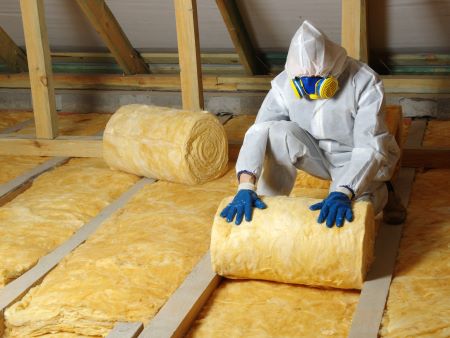
Attic insulation helps limit heat movement through the ceiling and roof assembly. Blown-in insulation may provide consistent coverage around framing, wiring, and irregular spaces, while fiberglass insulation can be appropriate where batts or loose-fill material can be installed without compression.
Before new material is added, technicians evaluate roof staining, ventilation pathways, and existing insulation. Damaged or wet material should be addressed rather than covered.
For Exterior Rooms With Uneven Temperatures
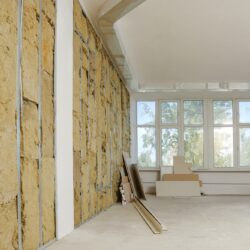
Wall insulation may improve comfort where exterior rooms consistently feel colder in winter or warmer in summer. The installation method depends on whether wall cavities are open, enclosed, partially insulated, or affected by moisture.
Older Portland homes may contain plaster walls, additions, or remodeling work that creates inconsistent coverage. The goal is to improve the problem area while avoiding unnecessary disturbance to finished surfaces.
For Homes With Persistent Drafts
Air sealing is often completed before insulation installation. Accessible gaps around plumbing, wiring, attic hatches, framing transitions, and utility penetrations can allow conditioned air to bypass the insulation.
Closing appropriate pathways can support energy savings and help the installed materials perform more effectively. Required ventilation and combustion-safety clearances must remain intact.
For Floors Above Damp Crawl Spaces
A crawl space should be inspected before floor insulation is installed or replaced. Exposed soil, plumbing leaks, damaged insulation, and incomplete ground coverings may contribute to moisture and poor indoor air conditions.
Vapor barrier installation can help reduce ground moisture. Active standing water or drainage problems require separate correction before crawl space insulation work proceeds.
Installation Standards Backed by Regional Training
Northwest Weatherization has 16 years of experience completing insulation projects across the Pacific Northwest. Our PTCS and LEAD Certified Technicians understand how insulation, airflow, ventilation, and moisture interact in older and remodeled homes.
We are a Trade Ally of Energy Trust of Oregon and have received the Angie’s List Super Service Award since 2013. Our customer service approach includes:
- Licensed and insured technicians
- Recommendations based on observed conditions
- High-quality materials selected for each application
- Clear explanations of preparation and installation
- Protection of occupied areas during the project
- Reliable scheduling and communication
- Guidance regarding qualifying energy rebates
Our team serves the Pearl District, Alberta Arts District, Sellwood-Moreland, Mississippi Avenue, and neighborhoods near Forest Park and Pittock Mansion.
Reviews and Portland Installation Estimates
Here’s what our clients are saying about working with Northwest Weatherization.
Contact Northwest Weatherization to schedule a free home energy assessment in Portland, OR. We can evaluate your attic, walls, crawl space, air leakage, and existing insulating materials before preparing an installation estimate.
Frequently Asked Questions About Insulation Installation in Portland
The first priority should be the area contributing most to heat loss, discomfort, or moisture-related damage. For some homes, that is an attic with thin or uneven insulation. For others, cold floors point to damaged crawl space insulation, while one uncomfortable exterior room may indicate an underinsulated wall.
In Portland, OR, construction style matters. A Sellwood-Moreland home may have an older attic and several additions, while a property near Mississippi Avenue may contain remodeled wall cavities and newer mechanical penetrations. Homes closer to Forest Park may also require closer attention to crawl space moisture.
A home energy assessment should examine insulation coverage, air leakage, ventilation, material condition, and accessible moisture sources. Northwest Weatherization uses those findings to establish a practical order of work. Air sealing or vapor barrier installation may need to occur before insulation is added. Prioritizing the source of the problem usually provides more value than applying a small amount of work to every area.
Neither material is automatically better for every application. Blown-in insulation is often useful in attics because it can cover irregular areas around framing, wiring, and other obstructions. Fiberglass insulation may work well in open wall cavities, attic spaces, and floor systems when it can be fitted without gaps or compression.
The correct option depends on access, existing materials, ventilation, moisture, and the shape of the area being insulated. A Portland, OR home near the Alberta Arts District may have a low attic with many obstructions, while a renovated property near the Pearl District may have open framing during construction.
Installation quality is as important as material selection. Even high-quality materials may underperform if they are compressed, installed over damp surfaces, or placed in a way that blocks ventilation. Northwest Weatherization evaluates the area before recommending blown-in insulation, fiberglass insulation, or another suitable approach.
Air sealing is usually most effective before insulation covers the work area. Gaps around pipes, wiring, attic hatches, framing joints, and utility penetrations can allow heated or cooled air to move around the insulation rather than through it.
Older Portland, OR homes near Powell’s Books, the Portland Art Museum, and Mississippi Avenue may contain air pathways created by decades of remodeling. Even newer properties can have leakage around mechanical installations and recessed fixtures.
Technicians should identify which openings can be safely sealed while protecting required ventilation. Combustion appliances, exhaust systems, and heat-producing fixtures may require special treatment and clearance.
Combining air sealing with attic or wall insulation can improve energy efficiency and reduce drafts more effectively than adding insulation alone. The scope should be based on accessible conditions rather than an assumption that every visible opening should be closed.
Cost depends on the installation area, material type, square footage, accessibility, existing damage, and preparation requirements. Adding blown-in insulation to a clean attic generally involves a different level of work than insulating enclosed walls or replacing materials above a damp crawl space.
Portland homes can have narrow attic entries, several rooflines, older plaster finishes, and low crawl spaces. A property in Sellwood-Moreland may require more careful access than a newer home, while a house near Pittock Mansion may need moisture concerns addressed before installation.
A detailed estimate should separate preparation, air sealing, removal, insulating materials, labor, and any vapor barrier work. Homeowners should avoid comparing quotes solely by price per square foot because preparation and access can significantly affect the project.
Northwest Weatherization offers a free home energy assessment and can help determine whether qualifying Energy Trust of Oregon rebates are available.
Insulation installation may support indoor air quality when it is combined with proper moisture control and air sealing. Damaged insulation, exposed crawl space soil, and uncontrolled air movement can allow musty odors, dust, and airborne particles to enter occupied areas.
In Portland, OR, homes near Forest Park Conservancy or Pittock Mansion may experience longer periods of ground moisture, while older homes near the Alberta Arts District may have open utility pathways connecting attics or crawl spaces to living areas.
Installing new insulation alone will not remove active contamination or correct standing water. Wet materials may require removal, and crawl spaces may need cleaning or a vapor barrier before insulation is installed. Air sealing can also reduce movement between unconditioned spaces and the home.
Northwest Weatherization evaluates these related conditions so insulation projects support comfort without covering unresolved moisture or air-quality concerns.
Check Out Our Related Blogs!
- What Thermal Bridging Variables Must Be Evaluated During Insulation Installation to Maintain Envelope Continuity?

- How Does Insulation Installation Influence Interstitial Condensation Behavior Within Exterior Wall Assemblies?
- How Does Insulation Installation Integrate Air Barrier Alignment to Improve Whole-Building Energy Performance?

- What Density Calibration Methods are Used in Insulation Installation to Prevent Settling and Performance Loss Over Time?
- What are the R-value Requirements for Insulation Installation in Tualatin OR?
- How Long Does a Standard Insulation Installation in Tigard OR Take to Complete?