The Hidden Energy Drains Behind Your Walls Might Be Costing More Than You Think
A home can have quality insulation and still struggle with uneven temperatures, rising utility costs, and persistent drafts. Why? Thermal bridging often goes unnoticed. During evaluations performed by an insulation contractor in Laurelhurst Portland OR, identifying these hidden pathways is essential for improving whole-home performance, especially in older Pacific Northwest properties. By understanding where heat escapes and how building components interact, homeowners can make smarter decisions that improve comfort, energy efficiency, and long-term value.
Thermal bridging occurs when conductive materials, such as wood framing, interrupt insulation layers, allowing heat to transfer through a building envelope. During whole-home energy assessments, insulation professionals use visual inspections, building science principles, and diagnostic tools to identify these weak points and recommend effective insulation solutions that improve energy performance.
Many homes throughout Laurelhurst feature unique architectural details, historic characteristics, and construction methods that contribute to their charm. However, these same characteristics can also create energy challenges. Colonial revival properties, homes with vaulted ceilings, guest suites, or additions built decades apart may feature inconsistent insulation installation practices that increase energy bills and reduce indoor comfort.
Why Thermal Bridging Deserves More Attention Than It Gets
Thermal bridging sounds technical, but the concept is straightforward. Whenever materials with lower insulating values interrupt continuous insulation layers, heat finds an easier path to move through the structure.
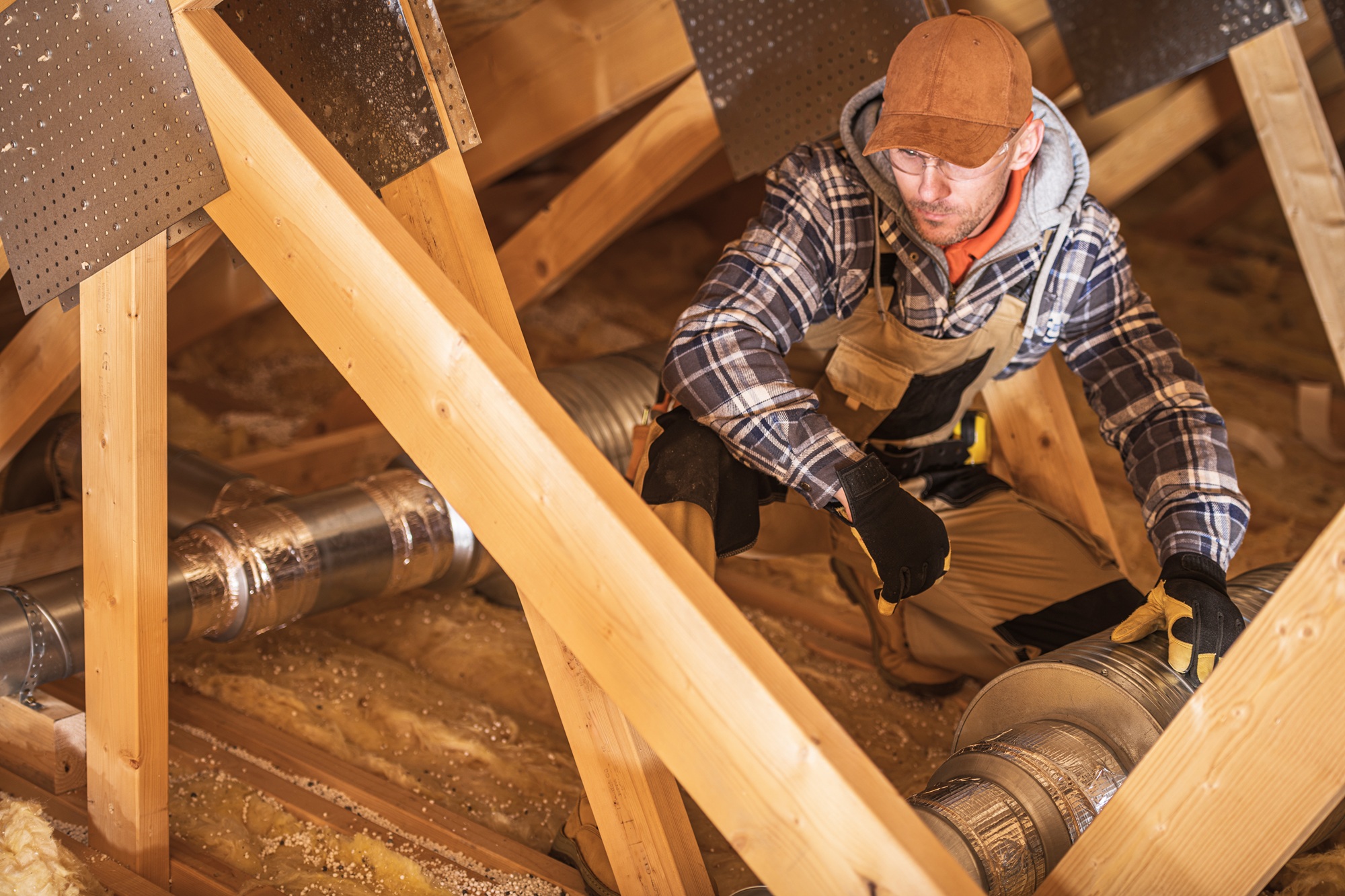
Wood studs, steel components, attic framing, floor joists, and certain construction transitions are among the common culprits. Even homes with Attic Insulation upgrades can experience energy losses if thermal bridges remain untreated.
Many historic homes throughout Laurelhurst Park and the neighborhoods surrounding Laurelhurst Elementary School were constructed during periods when Building Science principles differed significantly from today’s standards. As a result, homeowners often experience:
- Drafty rooms despite insulation upgrades
- Uneven temperatures between floors
- Higher-than-expected energy bills
- Reduced indoor air quality due to uncontrolled airflow
- Increased moisture issues within wall systems
A common People Also Ask question is: Can thermal bridging affect energy efficiency even when insulation is present?
The answer is yes. Insulation alone doesn’t guarantee optimal energy performance. The continuity of thermal barriers matters just as much as the insulation material itself.
Northwest Weatherization incorporates these considerations into comprehensive home evaluations because effective weatherization requires understanding how every component functions together.
Five Common Mistakes that Allow Thermal Bridging to Persist
Many homeowners unknowingly invest in upgrades that deliver disappointing results because underlying thermal bridging concerns remain unresolved.
Focusing Only on Insulation Thickness
More insulation isn’t always the answer. If framing members continue creating direct heat pathways, energy efficiency gains may remain limited.
Ignoring Crawl Space Conditions
Crawl Space insulation problems frequently contribute to comfort complaints. Crawl space cleaning and moisture management play important supporting roles in energy performance.
Overlooking Moisture Concerns
Vapor diffusion affects how building assemblies manage humidity. Without proper moisture control measures, insulation performance can decline over time.
Assuming Newer Windows Solve Everything
Double-pane windows help improve efficiency, but they don’t eliminate heat loss caused by thermal bridges hidden within wall assemblies.
Delaying Evaluations in Older Homes
Historic homes often require periodic reassessment. Construction practices associated with a property’s Year Built influence how insulation systems perform decades later.
Northwest Weatherization helps homeowners avoid these common pitfalls by conducting thorough evaluations informed by Building Science principles and extensive Insulation Expertise.
According to the U.S. Department of Energy, heating and cooling account for approximately 43% of residential utility expenses, making improvements to building envelopes an important consideration for long-term savings. Integrating recommendations from resources such as the Department of Energy’s guidance on thermal enclosure systems supports more effective decision-making regarding insulation strategies.
Would You Like Professional Insulation Services for Your Home?
Contact Northwest Weatherization today and discover how energy-smart upgrades can improve comfort and efficiency.
What Does an Insulation Contractor Actually Look for?
Whole-home assessments involve far more than checking attic depths or reviewing insulation labels. An experienced insulation contractor in Laurelhurst Portland OR, evaluates the entire building envelope to identify weaknesses that contribute to heat transfer.
Several factors receive close attention.
Framing Configurations and Construction Details
Certain home designs naturally create more opportunities for thermal bridging. Homes with vaulted ceilings, multiple guest suites, additions, or intricate roof structures often require specialized evaluation techniques.
Existing Insulation Conditions
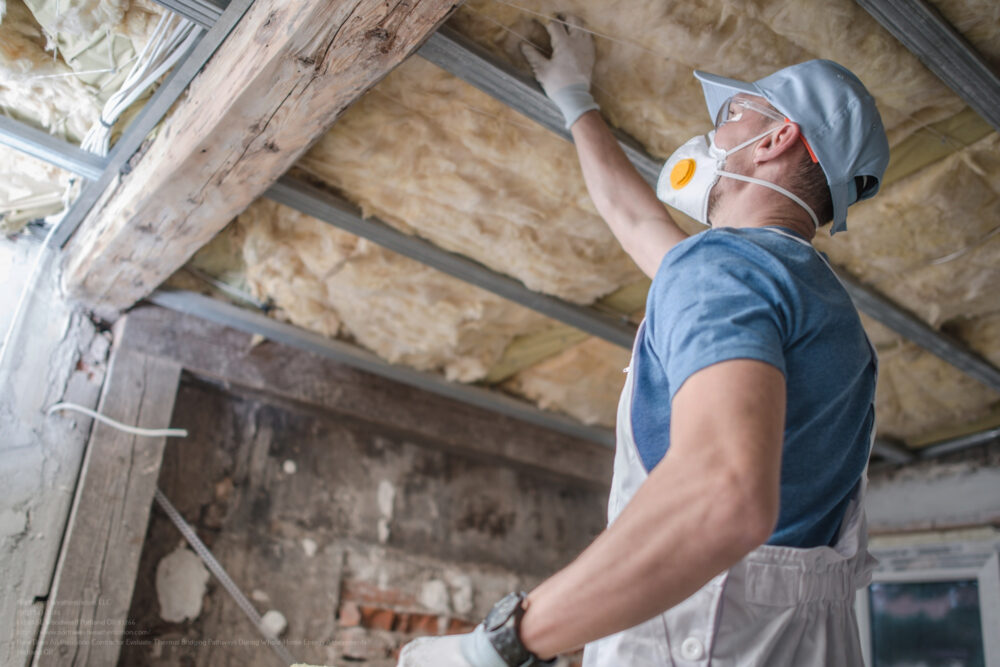
Professionals assess insulation type, condition, and coverage consistency. Fiberglass insulation, blown-in cellulose, and older materials may have settled, deteriorated, or become displaced over time.
Moisture-Related Concerns
Moisture control significantly influences insulation effectiveness. Crawl space environments, inadequate vapor barrier installation, and compromised moisture barrier systems can undermine otherwise effective upgrades.
Air Movement Patterns
Air Duct Leaks and gaps around penetrations contribute to heat loss. Air sealing strategies help reduce these losses while improving energy performance throughout the home.
By addressing these interconnected factors, Northwest Weatherization provides homeowners with practical solutions rather than temporary fixes.
Beyond Lower Utility Bills: Why These Assessments Matter
Improving energy performance isn’t simply about reducing expenses. The benefits extend throughout the home.
Enhanced indoor comfort ranks among the most noticeable outcomes. Eliminating cold spots and reducing temperature fluctuations creates more livable environments for single-family households.
Improved indoor air quality also deserves attention. Air sealing, combined with strategic insulation improvements, reduces pathways for outdoor pollutants, allergens, and excess humidity.
Code compliance considerations become increasingly relevant during renovation projects. Updated evaluations ensure improvements align with current expectations for sustainable building practices.
Additionally, addressing thermal bridging contributes to stronger long-term property performance. Buyers increasingly recognize the value of energy efficiency features, making thoughtful upgrades beneficial from both comfort and investment perspectives.
Northwest Weatherization understands that homeowners aren’t simply purchasing insulation services. They’re investing in healthier, more efficient living environments designed to perform reliably for years to come.
Practical Steps Homeowners Can Take Before Scheduling Improvements
Preparation helps maximize the value of professional evaluations.
Homeowners can begin by observing signs that suggest hidden inefficiencies.
- Monitor rooms that consistently feel colder or warmer.
- Review recent energy bills for unusual increases.
- Inspect crawl space areas for visible moisture issues.
- Document areas experiencing persistent drafts.
- Schedule evaluations if major renovations are planned.
An experienced insulation contractor in Laurelhurst, Portland, OR uses this information alongside professional observations to develop tailored recommendations that address the home’s specific energy performance challenges.
Northwest Weatherization approaches assessments as opportunities to educate homeowners, helping them understand how insulation installation, vapor barrier installation, crawl space cleaning, and broader weatherization service solutions work together to improve efficiency and comfort throughout the Pacific Northwest climate.
Expert Insights: What Northwest Weatherization Has Learned about Thermal Bridging in Laurelhurst Homes
Years of working throughout the Pacific Northwest have shown that thermal bridging often hides in places homeowners rarely suspect. In Laurelhurst neighborhoods, Northwest Weatherization frequently encounters homes with beautiful architectural details that unintentionally contribute to energy losses.
Colonial revival homes, properties with additions completed in different decades, and residences featuring guest suites often contain varying insulation methods within a single structure. What worked for one construction phase may not align with modern energy performance expectations.
One of the biggest misconceptions homeowners have is assuming that upgrading attic insulation automatically resolves comfort concerns. In reality, thermal bridging can continue through framing components, floor transitions, and structural connections unless these areas are carefully evaluated.
Another lesson involves moisture control. Homes experiencing moisture issues within crawl spaces or attic assemblies may see reduced insulation performance over time. Addressing vapor barrier installation needs and improving ventilation strategies often support better long-term outcomes.
Smart Strategies that Improve Whole-Home Energy Performance
Homeowners don’t need to become energy experts to make informed decisions. However, understanding several best practices can significantly improve project outcomes.
First, comprehensive evaluations matter. Rather than focusing solely on visible insulation levels, professionals assess how building components interact with one another.
Second, air sealing deserves equal attention. Addressing uncontrolled airflow frequently enhances the effectiveness of insulation improvements.
Third, moisture management supports durability. Moisture barrier systems and appropriate vapor barrier installation strategies help preserve insulation performance while contributing to a healthy interior environment.
Northwest Weatherization encourages homeowners to prioritize the following:
- Schedule professional energy evaluations periodically.
- Address crawl space conditions proactively.
- Combine insulation improvements with air sealing efforts.
- Review opportunities for energy rebates and incentive programs.
- Consider long-term performance rather than short-term cost alone.
These strategies often lead to lower energy bills, improved indoor comfort, and stronger overall energy performance.
Key Takeaways Homeowners Should Remember
Thermal bridging represents one of the most overlooked contributors to residential energy losses. Fortunately, identifying these pathways allows homeowners to make targeted improvements that strengthen the entire building envelope.
Several principles stand out:
- Energy efficiency depends on insulation continuity.
- Air sealing enhances insulation effectiveness.
- Moisture control influences long-term performance.
- Historic homes may require specialized evaluation approaches.
- Whole-home assessments provide more meaningful insights than isolated inspections.
For homeowners exploring energy-efficiency upgrades, understanding these concepts provides a valuable foundation for future planning.
Properties throughout Laurelhurst often benefit from thoughtful assessments grounded in Building Science principles. Whether the focus involves attic insulation, crawl space insulation improvements, or broader weatherization service goals, informed decision-making contributes to lasting value.
Ultimately, thermal bridging evaluations support healthier indoor environments, lower utility costs, and greater comfort for families throughout the Pacific Northwest.
Why Northwest Weatherization is the Smart Choice for Energy-Conscious Homeowners
We at Northwest Weatherization provide the best solutions to our customers. We understand that effective energy improvements require more than simply adding insulation. By evaluating thermal bridging pathways, moisture conditions, insulation continuity, and overall building performance, we help homeowners identify opportunities that support lasting comfort and efficiency.
Our experienced team delivers customized recommendations rooted in Building Science and practical field experience. Whether addressing Attic Insulation concerns, providing Crawl Space Cleaning services, completing Insulation Removal projects, or supporting comprehensive weatherization service goals, we remain committed to delivering thoughtful solutions tailored to each home’s needs.
We take pride in offering professional evaluations, attentive customer service, and dependable workmanship throughout every stage of the process. Our goal is to empower homeowners with the knowledge and services necessary to create healthier, more efficient living environments.
Contact Northwest Weatherization today for expert insulation evaluations and weatherization services designed to improve comfort, enhance energy performance, and support long-term home value. Make your next energy upgrade count with a trusted insulation contractor in Laurelhurst Portland OR.
Would You Like Professional Insulation Services for Your Home?
Contact Northwest Weatherization today and discover how energy-smart upgrades can improve comfort and efficiency.