Insulation Solutions for Canby’s Rural and In-Town Homes
Northwest Weatherization provides professional attic insulation and whole-home insulation services for homeowners in Canby, OR. From older properties near Downtown Canby and Wait Park to larger homes and rural residences along Territorial Road, insulation needs can differ significantly based on construction age, exposure, crawl space conditions, and previous renovations. Our insulation contractor team evaluates these factors before recommending improvements that support energy efficiency, comfort, and moisture control.
Canby’s wet winters, warm summer periods, and mix of urban and agricultural properties can expose weaknesses in a home’s thermal envelope. Missing insulation, air leakage, and damp crawl spaces may contribute to uneven temperatures, higher energy costs, and declining indoor air quality.
Northwest Weatherization offers a free home energy assessment to help homeowners understand where energy is being lost and which qualifying energy rebates may be available.
How Canby Homes Lose Heating and Cooling Energy
Heat does not escape through one area alone. It can move through an underinsulated attic, exterior walls, floors, duct connections, and gaps around plumbing or electrical penetrations. Even homes with existing insulation may perform poorly when materials are compressed, unevenly installed, or damaged by moisture.
Homes near the Willamette Greenway and Molalla River State Park may experience persistent seasonal dampness, while open properties near Swan Island Dahlias can have greater exposure to wind and temperature changes. These local conditions make air sealing and moisture management important parts of an effective insulation plan.
Common warning signs include:
- Cold floors or drafty rooms
- Excessive heat on upper levels
- Increasing energy bills
- Uneven temperatures between rooms
- Musty odors from below the home
- Fallen or damp crawl space insulation
- Heating and cooling equipment running frequently
A professional assessment can identify whether the main problem is insufficient insulation, uncontrolled airflow, moisture, or a combination of several conditions.
Insulation Services Matched to Everyday Comfort Problems
When the Upper Floor Is Hard to Keep Comfortable
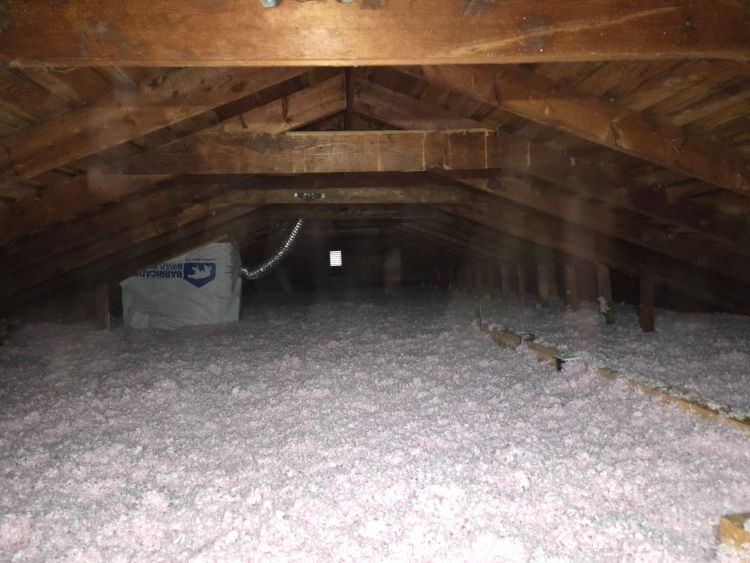
Attic insulation helps reduce heat transfer through the ceiling and roof assembly. Thin, settled, or incomplete coverage can allow heat to escape during winter and enter living spaces during summer.
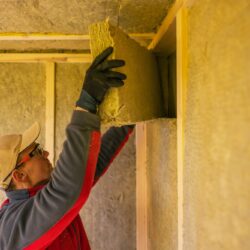
Depending on attic access and existing materials, Northwest Weatherization may recommend fiberglass insulation or blown-in insulation. Blown-in products can provide consistent coverage around framing and irregular spaces, while fiberglass may be appropriate where batts can be fitted securely without gaps.
When Exterior Rooms Feel Drafty
Wall insulation can improve rooms that remain noticeably colder or warmer than the rest of the home. Certain enclosed wall cavities may be suitable for blown-in insulation, while open framing discovered during remodeling may allow other installation methods.
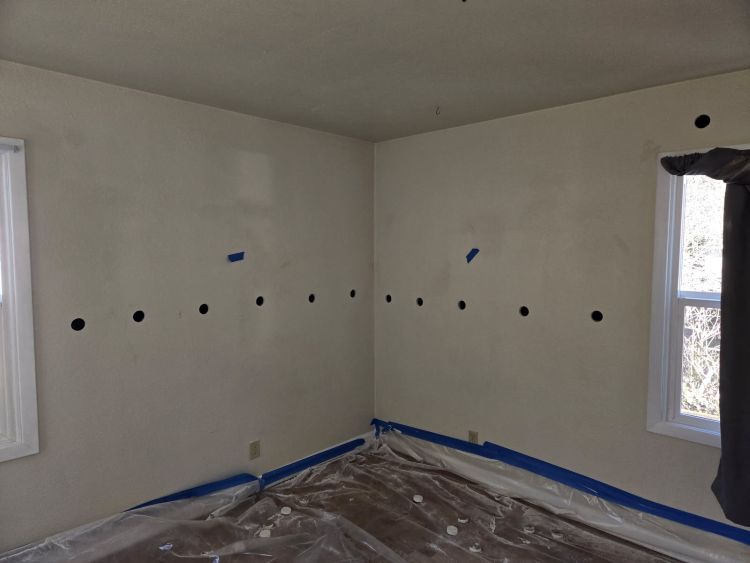
Air sealing is often completed before insulation installs because airflow can bypass otherwise effective materials. Sealing gaps around wiring, plumbing, framing joints, and utility penetrations can improve comfort and reduce avoidable energy loss.
When Floors Stay Cold Above the Crawl Space
Floor and crawl space insulation can help separate occupied rooms from the cooler environment beneath the home. Before installing new material, technicians assess the condition of existing insulation and look for moisture, exposed soil, or damaged vapor barriers.
If ground moisture is present, moisture control should be addressed before new insulation is installed. This sequence helps protect materials and supports better long-term performance.
When Ductwork Leaks Conditioned Air
Air and duct sealing can reduce energy waste caused by leaks in accessible duct connections and building cavities. Duct leakage in an attic or crawl space may release heated or cooled air before it reaches the intended rooms.
Correcting these leaks can improve system performance, comfort, and indoor air quality while helping insulation work as part of a complete building envelope.
Proven Weatherization Experience for Local Homeowners
Northwest Weatherization has served Pacific Northwest homeowners for 16 years. Our PTCS and LEAD Certified Technicians bring practical knowledge of insulation, ventilation, airflow, and moisture conditions to each project.
As a Trade Ally of Energy Trust of Oregon, we can also help homeowners understand available rebate opportunities for qualifying improvements. Northwest Weatherization has received the Angie’s List Super Service Award since 2013, reflecting an established commitment to dependable communication and customer service.
Our service standards include:
- Licensed and insured professionals
- Home-specific recommendations
- High-quality insulation materials
- Careful preparation before installation
- Attention to ventilation and moisture conditions
- Clear project scopes and scheduling
- Free home energy assessments
Whether the home is near the Canby Depot Museum, Downtown Canby, Territorial Road, or Wait Park, our recommendations are based on the property’s construction and current performance—not a predetermined package.
Reviews and Insulation Support Across Canby
Here’s what our clients are saying about working with Northwest Weatherization.
Improve your home’s comfort without guessing which upgrades it needs. Contact Northwest Weatherization to schedule a free home energy assessment and request an insulation estimate in Canby, OR.
Frequently Asked Questions About Insulation in Canby
The cost of insulation installation in Canby, OR depends on the area being improved, the amount of preparation required, material selection, and accessibility. Adding blown-in insulation to a clean, open attic may cost less than removing damaged crawl space material, correcting moisture concerns, and installing new floor insulation.
The home’s construction can also affect labor. Older houses near Downtown Canby or the Canby Depot Museum may contain narrow attic access, irregular framing, or previous remodels that create uneven insulation coverage. Larger properties along Territorial Road may have more attic or floor area to address.
A complete estimate should explain whether the scope includes removal, air sealing, vapor barrier work, duct sealing, or ventilation protection. Homeowners should be cautious of quotes based only on square footage because they may not account for underlying conditions.
Northwest Weatherization begins with a free home energy assessment and can help identify Energy Trust of Oregon rebates that may reduce the cost of qualifying insulation and weatherization improvements.
Existing attic insulation does not always need to be removed. If it is dry, clean, securely installed, and compatible with the proposed material, additional insulation may be added to improve coverage and thermal resistance. Blown-in insulation is often used to supplement suitable existing materials because it can fill gaps around framing and other obstacles.
Replacement may be appropriate when insulation is wet, heavily contaminated, compressed, deteriorated, or disturbed by pests. Before making that decision, the source of any moisture or contamination should be identified and corrected.
For Canby, OR homes near the Willamette Greenway or other moisture-prone settings, technicians should inspect ventilation pathways, roof leak evidence, and indoor air movement before adding material. Covering damaged insulation without addressing the cause can conceal problems and reduce the value of the upgrade.
Northwest Weatherization assesses the attic’s condition, depth, coverage, and ventilation before recommending whether to add insulation, remove selected areas, or complete a broader replacement.
Crawl space insulation can help reduce heat transfer through the floor assembly, making first-floor rooms more comfortable during Canby’s cool, wet winters. It may be especially helpful when existing fiberglass insulation is missing, hanging down, compressed, or unevenly installed.
However, cold floors can also result from air leakage, duct problems, exposed soil, or excess crawl space moisture. Installing new insulation without investigating these conditions may provide limited improvement. Damp materials can lose effectiveness, and an incomplete vapor barrier may allow ground moisture to continue entering the space.
Homes near Molalla River State Park, Swan Island Dahlias, and rural sections of Canby, OR may face varying drainage, shade, and soil conditions. A professional inspection should evaluate insulation, foundation vents, accessible ductwork, ground covering, and evidence of water intrusion.
When crawl space insulation is combined with appropriate air sealing and moisture control, homeowners may experience more stable temperatures, reduced energy loss, and improved overall comfort.
Air sealing is often one of the most important steps completed before insulation installation. Insulation slows heat transfer, but it does not always stop air from moving through gaps around pipes, wiring, framing joints, attic access panels, and duct penetrations.
When these openings remain unsealed, conditioned air can escape into the attic or crawl space. Uncontrolled airflow may also carry dust, odors, and moisture into living areas, affecting indoor air quality.
In Canby, OR, older homes near Wait Park and Downtown may contain more leakage pathways because of aging materials or previous renovations. Newer homes can also have gaps around mechanical and utility penetrations.
A qualified insulation company should inspect accessible leakage points and explain which areas can be sealed safely. Ventilation openings designed for moisture management should not be blocked. Northwest Weatherization evaluates airflow, insulation, ventilation, and moisture together so that each improvement supports the performance of the entire home.
Look for an insulation contractor with appropriate licensing, insurance, technician training, and experience working with Pacific Northwest homes. The contractor should inspect the property before recommending a product and should evaluate moisture, ventilation, air leakage, and existing material conditions—not just insulation depth.
Homeowners should also request a clear written scope identifying the installation areas, materials, preparation, and any related air or duct sealing. Ask whether the contractor is familiar with local energy rebate programs and whether technicians hold relevant building-performance credentials.
Northwest Weatherization has 16 years of experience and employs PTCS and LEAD Certified Technicians. The company is a Trade Ally of Energy Trust of Oregon and has received the Angie’s List Super Service Award since 2013.
For homes near Territorial Road, the Canby Depot Museum, Downtown, or the Willamette Greenway, local experience helps account for differences in construction, access, moisture exposure, and property layout. A free home energy assessment provides a practical starting point for comparing recommendations.
Check Out Our Related Blogs!
- How Does an Insulation Contractor Evaluate Thermal Bridging Pathways During Whole-Home Energy Assessments?
- What Building Science Principles Does an Insulation Contractor Apply to Balance Air Sealing and Ventilation Performance?

- What Diagnostic Technologies Does an Insulation Contractor Use to Verify Post-Installation Thermal Continuity?
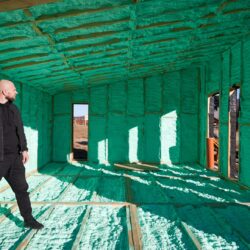
- How Does an Insulation Contractor Determine Material Suitability Based on Climate Zone and Assembly Design?
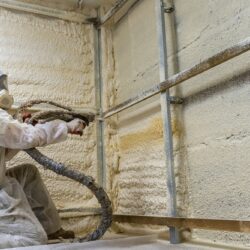
- What Should I Ask an Insulation Contractor in Tigard OR Before Hiring?
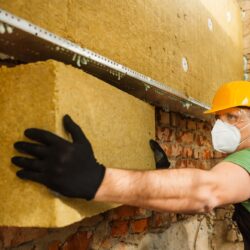
- Is an Insulation Contractor in Laurelhurst Portland OR Needed for Historic Homes?