What Separates Code-Compliant Insulation from Work That Quietly Fails Inspections
Most insulation problems don’t look like problems at first. A home might feel fine on move-in day, only to develop drafts, moisture issues, or rising energy bills months later. In many cases, the root cause is insulation that wasn’t installed to code. That’s where a licensed insulation contractor in Portland OR plays a critical role, especially in a region like the Pacific Northwest, where moisture control and energy efficiency standards are strict.
A licensed insulation contractor ensures code compliance by following building code requirements for insulation type, coverage, air sealing, and moisture control. This includes meeting International Energy Conservation Code standards in attics, walls, and crawl spaces to improve thermal performance, HVAC efficiency, and long-term durability.
Why Insulation Codes Exist in the First Place (and Why They Matter Locally)
Building codes aren’t arbitrary. They’re written to protect homeowners from energy loss, moisture damage, and unsafe construction practices. In Oregon, insulation standards are heavily influenced by the International Energy Conservation Code, which sets minimum requirements for thermal performance, air barriers, and moisture control.
Homes throughout Portland and the surrounding areas face persistent rain, humidity, and temperature swings. Without proper insulation and moisture barriers, crawl spaces collect condensation, attic insulation becomes ineffective, and wall insulation traps moisture where it shouldn’t. These issues don’t just affect comfort. They affect structural integrity and HVAC efficiency.
A common People Also Ask question homeowners search is: “How do I know if my insulation meets code?” The honest answer is that most homeowners can’t tell without a trained eye. That’s why licensed insulation contractors rely on building science principles, not guesswork, when evaluating existing insulation systems.
The Code Compliance Mistakes That Show Up Most Often in Inspections
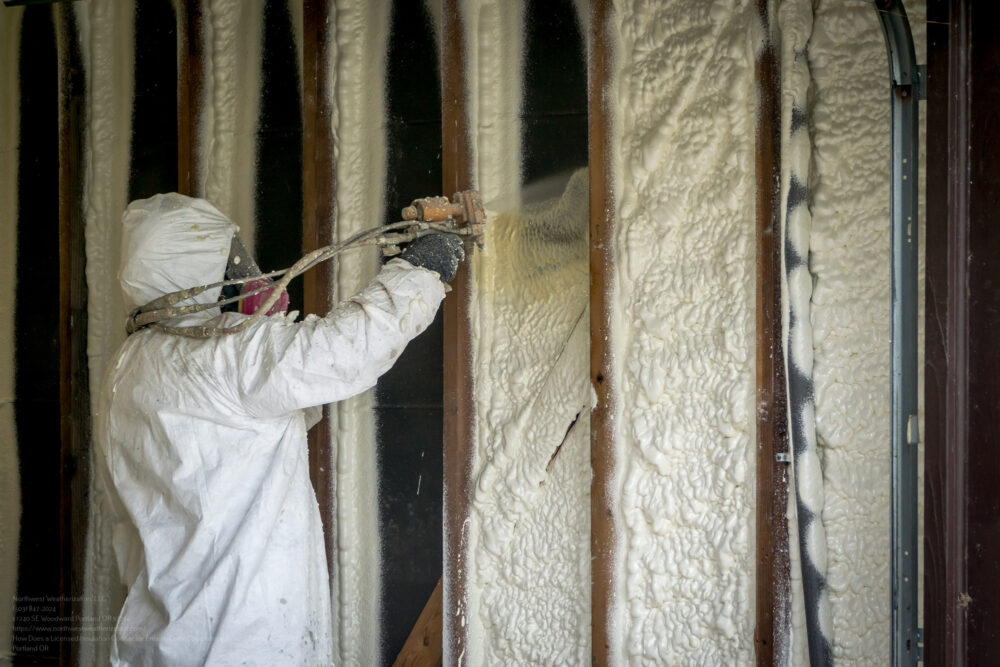
Insulation Installed Without Proper Air Sealing
Insulation slows heat transfer, but without air sealing work, conditioned air escapes freely. Code requires a continuous air barrier in key areas, especially attics and wall cavities.
Attic Insulation That Meets R-Value But Fails Coverage Rules
Attic insulation services often meet minimum thickness but miss edge coverage or compression limits. Gaps around framing and penetrations violate code and reduce thermal performance.
Crawl Spaces Without Moisture Barriers
Crawl spaces must include a moisture barrier to control vapor migration. Missing or poorly installed barriers can lead to mold, rot, and failed inspections.
Wall Insulation Installed Without Verifying Cavity Depth
Wall insulation must fill cavities completely without compression. Partial coverage or incorrect insulation materials are common violations.
Ignoring HVAC Insulation Requirements
Ducts running through unconditioned spaces require insulation to meet HVAC insulation standards. Uninsulated ducts waste energy and reduce system efficiency.
Northwest Weatherization routinely corrects these issues by aligning insulation installation with current building code requirements across attics, walls, and crawl spaces.
Read more about insulation contractor in Portland OR
Want Insulation Contractor Services For Your Home?
Contact Northwest Weatherization Today And Get Code-Compliant Results.
Why Proper Code Compliance Protects More Than Inspections
Passing inspection is only part of the story. Code-compliant insulation directly affects energy efficiency, moisture control, and long-term building performance. Homes that meet code experience lower energy costs, fewer comfort complaints, and improved indoor air quality.
Properly installed insulation supports the thermal envelope, allowing HVAC systems to operate efficiently instead of compensating for heat loss. That reduces energy bills and extends equipment lifespan. It also protects against moisture-related fire damage risks and material degradation.
Northwest Weatherization has built its reputation as a reputable insulation contractor by prioritizing compliance, durability, and customer satisfaction — not shortcuts.
How Licensed Contractors Ensure Insulation Meets Code Every Time
Licensed insulation contractors follow a structured process that aligns installation with code requirements rather than assumptions.
- Evaluate the existing insulation system through home energy audits
- Identify gaps in the thermal envelope using building science principles
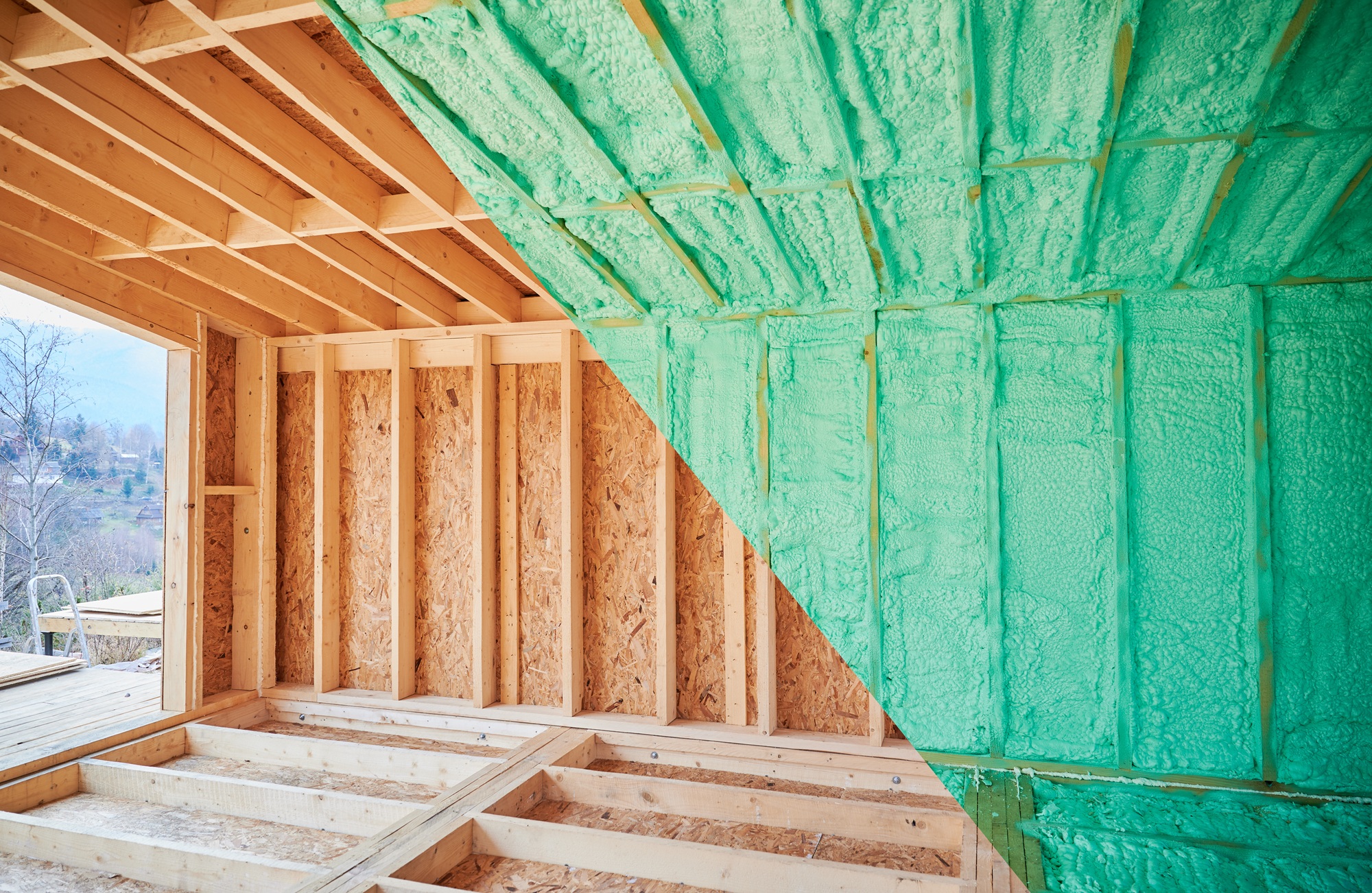
- Select code-approved insulation materials such as blown-in insulation, rockwool insulation, or closed cell foam
- Install air barriers and moisture barriers where required
- Verify compliance with current energy standards
This process is especially important in older homes and mixed residential/commercial insulation services where previous upgrades may not meet modern standards. A licensed insulation contractor in Portland OR ensures insulation upgrades don’t trigger compliance issues during resale or permitting.
What Experienced Insulation Contractors Know That Others Miss
Insulation contractors with years of local experience understand how small details affect compliance. For example, attic insulation must remain clear of ventilation paths, while wall insulation must account for wiring, plumbing, and framing interruptions.
Northwest Weatherization often encounters homes where insulation was added without considering airflow paths. Even high-quality spray foam insulation can fail code if it blocks ventilation or traps moisture. Knowing where not to insulate is just as important as knowing where to add it.
This insight comes from experience, not product manuals. It’s why homeowners trust licensed contractors over general roofing contractors or DIY solutions when compliance matters.
Key Compliance Takeaways Homeowners Should Remember
Code-compliant insulation isn’t about excess. It’s about precision.
Homeowners benefit most when:
- Insulation materials match the space and moisture conditions
- Air barrier continuity is maintained
- Crawl spaces include proper moisture control
- Attic insulation meets both R-value and coverage standards
- HVAC insulation supports system efficiency
These elements work together to improve energy savings, protect building insulation systems, and support eligibility for programs like the Energy Efficient Home Improvement Credit and local Energy Trust incentives.
This is why homeowners consistently turn to insulation contractor in Portland OR professionals who understand both the code and the climate.
Northwest Weatherization Builds Code-Compliant Comfort You Can Trust
We at Northwest Weatherization provide the best solutions to our customers by ensuring every insulation project meets current building code requirements. From attic insulation and wall insulation to crawl space solutions and moisture barrier installation, we follow code-driven processes that protect comfort, safety, and energy efficiency.
We showcase our excellent services through detailed evaluations, compliant insulation installation, and long-term performance that supports HVAC efficiency and energy savings. Our team focuses on doing the work right the first time, so homeowners don’t face costly corrections later.
If you want insulation work that stands up to inspection and time, contact Northwest Weatherization for expert insulation services in Portland OR, and partner with a licensed insulation contractor in Portland OR.
insulation contractor near me in Portland OR
Want Insulation Contractor Services For Your Home?
Contact Northwest Weatherization Today And Get Code-Compliant Results.