Insulation Contractor Services for Sherwood’s Mixed Housing Stock
Northwest Weatherization helps homeowners improve energy efficiency with professional insulation contractor services in Sherwood, OR. From established properties near Old Town and Cannery Square to newer Sherwood homes in Woodhaven and Heron Ridge, insulation needs can vary widely based on construction age, attic design, crawl space conditions, and previous remodeling. Our work begins with a free home energy assessment so recommendations are based on the building’s actual performance.
Sherwood’s Pacific Northwest climate brings cool, wet winters and warmer summer periods that can expose weak insulation, air leakage, and moisture concerns. A house may lose heat through an underinsulated attic, exterior walls, accessible ductwork, or floors above a damp foundation. Addressing those areas together can provide more consistent indoor comfort than treating a single symptom.
How Sherwood Homes Reveal Insulation Problems
Insulation deficiencies are not always visible from the living area. Homeowners may first notice:
- Rooms that remain colder than the thermostat setting
- Upper floors that overheat during summer
- Drafts near attic hatches or exterior walls
- Rising heating and cooling costs
- Fiberglass insulation that is compressed or displaced
- Musty odors above a crawl space
- Cold flooring during wet weather
- Heating or cooling equipment running frequently
Properties near Parrett Mountain may experience greater exposure to wind, slope, and drainage patterns, while homes near Snyder Park or the Sherwood Ice Arena may have different construction and site conditions. Moisture control is especially important when insulation is installed near exposed soil or damp foundation areas.
Solutions Matched to the Problem Area
When Attic Coverage is Thin or Uneven
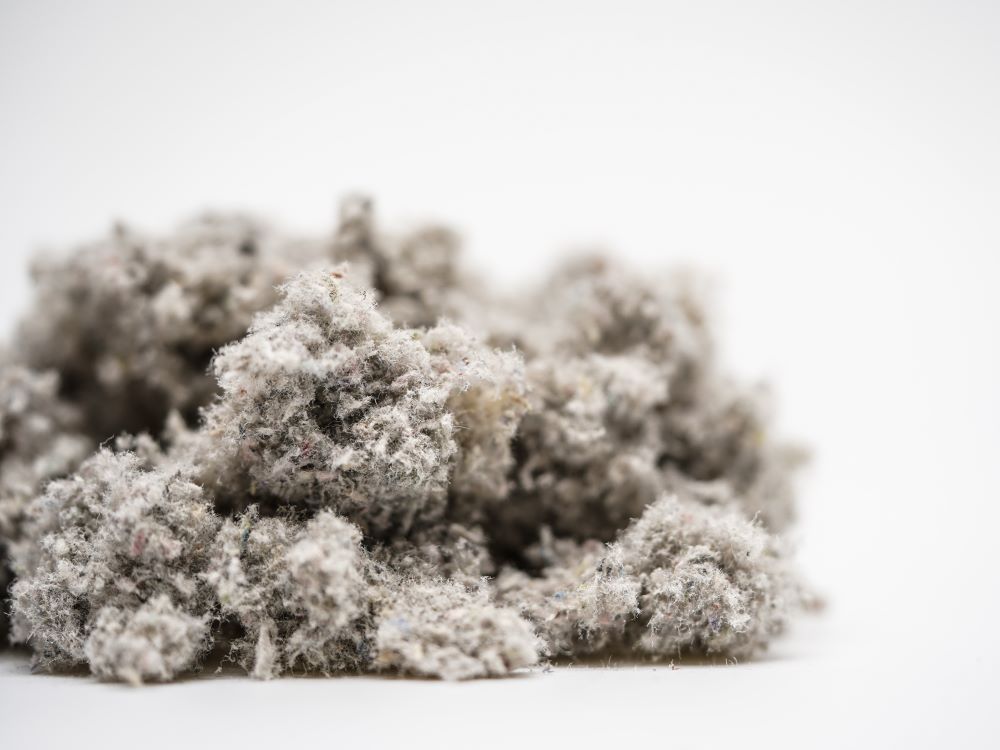
Attic insulation reduces heat loss through the ceiling and roof assembly. Blown-in cellulose can provide broad coverage around irregular framing, wiring, and hard-to-reach areas. Fiberglass insulation may also be appropriate when it can be installed evenly without compression.
Before adding material, technicians assess ventilation, roof staining, and accessible air leaks. Air sealing around suitable utility penetrations and attic access points helps the new insulation perform more effectively.
When Existing Insulation has Been Damaged
Insulation replacement may be necessary when material is wet, contaminated, pest-damaged, or no longer securely positioned. Removal can expose hidden leaks, open framing joints, or moisture damage that should be corrected first.
Selective replacement may be sufficient when only one section is affected. Usable insulation does not need to be removed simply because another part of the home requires work.
When Walls or Ducts are Losing Conditioned Air
Wall insulation can help rooms that remain uncomfortable because cavities are empty, partially filled, or inconsistently insulated. The installation method depends on access, framing, finishes, and moisture conditions.
Air and duct sealing address a different form of energy loss. Accessible gaps around pipes, wiring, framing transitions, and duct connections can allow heated or cooled air to escape before it reaches occupied rooms. Required ventilation and safety clearances must remain protected.
When Crawl Space Moisture Affects the Floor Above
Crawl space insulation can fail after plumbing leaks, pest activity, or prolonged ground moisture. Damaged material should be removed before new floor insulation is installed.
Vapor barriers can reduce moisture rising from exposed soil. Crawl space encapsulation may provide broader protection when humidity affects both the ground and foundation walls. Standing water, drainage failures, and active leaks require separate correction.
Regional Training and Local Project Experience
Northwest Weatherization has 16 years of experience completing insulation and moisture-control projects throughout the Pacific Northwest. Our PTCS and LEAD Certified Technicians understand how insulation, airflow, ventilation, and moisture work together.
We are a Trade Ally of Energy Trust of Oregon and have received the Angie’s List Super Service Award since 2013. Homeowners receive:
- Licensed and insured service
- Recommendations based on observed conditions
- Clear explanations of materials and project priorities
- Careful preparation before installation
- Reliable scheduling and communication
- Guidance regarding qualifying energy rebates
Our team serves Old Town, Woodhaven, Heron Ridge, Parrett Mountain, and homes near Cannery Square and the Sherwood Center for the Arts.
Sherwood Reviews and Energy Assessments
Here’s what our clients are saying about working with Northwest Weatherization.


Schedule a free home energy assessment with Northwest Weatherization to evaluate your attic insulation, walls, ductwork, crawl space, and vapor barrier in Sherwood, OR.
Frequently Asked Questions About Insulation Contractors in Sherwood
The most noticeable symptom does not always identify the source. A cold bedroom may have insufficient wall insulation, but the real issue could also involve attic air leakage, an unsealed duct connection, or missing insulation above part of the ceiling. Cold flooring often points toward crawl space insulation or ground-moisture conditions.
In Sherwood, OR, the home’s age and layout matter. An established property near Old Town may contain several generations of insulation, while a home in Woodhaven or Heron Ridge may have more consistent construction but still develop gaps around mechanical penetrations.
A professional energy assessment should review accessible attic areas, wall conditions, ductwork, floor insulation, ventilation, and moisture. Northwest Weatherization uses those findings to rank improvements by urgency and likely impact. The recommendation may include air sealing before insulation, targeted replacement rather than full removal, or vapor barrier work before new crawl space insulation is installed.
Both materials can perform effectively when selected for the right assembly and installed correctly. Blown-in cellulose is often useful in attics because it can cover irregular framing and areas around pipes or wiring. Fiberglass insulation may be installed as batts or loose fill in attics, walls, and floor systems.
The better choice depends on access, existing materials, ventilation, moisture history, and the shape of the space. A straightforward attic near Snyder Park may support several options, while a property near Parrett Mountain may have multiple rooflines or areas exposed to different weather conditions.
Installation quality is as important as the material. Fiberglass should not be compressed or installed with gaps, and blown-in cellulose should provide consistent depth without blocking required vents. Neither material should be placed over wet surfaces, active leaks, or contaminated insulation.
Northwest Weatherization explains the available options during the free assessment and recommends materials for each specific part of the Sherwood, OR home.
A standard vapor barrier primarily covers exposed soil to reduce moisture moving upward into the crawl space. It may be appropriate when drainage is functioning, foundation walls are relatively dry, and ground moisture is the main concern.
Crawl space encapsulation is a more extensive system. The membrane may cover the floor, continue up portions of the foundation walls, and be sealed around seams and penetrations. It may be considered when a Sherwood, OR home has recurring humidity, persistent musty odors, damp foundation surfaces, or repeated crawl space insulation damage.
The more extensive system is not automatically the right choice. Homes near Tualatin Valley lowlands may experience different ground conditions than properties on or near Parrett Mountain. Plumbing leaks, standing water, exterior drainage, and pest activity must be addressed separately.
Northwest Weatherization evaluates the source of moisture before recommending standard vapor barrier installation or encapsulation.
Yes. Insulation slows heat transfer, but it does not stop conditioned air from moving through gaps. Openings around plumbing, electrical wiring, attic access panels, framing joints, and duct connections can continue to cause heat loss even when insulation levels appear adequate.
In Sherwood, OR, older homes near Old Town may have numerous openings from past renovations. Newer homes can also develop leakage around mechanical systems or duct connections.
Air sealing should be completed selectively. Required ventilation, combustion safety, and equipment access must remain intact. Accessible ducts should also be checked for disconnected sections, damaged insulation, or leaking joints before nearby insulation is added.
Combining appropriate air sealing with attic insulation, wall insulation, or crawl space insulation can support better comfort and energy efficiency than adding material alone. Northwest Weatherization includes accessible air and duct conditions in the home energy assessment.
Cost depends on the location of the work, square footage, access, existing damage, material choice, and preparation requirements. Adding blown-in cellulose to a clean attic generally involves less work than removing contaminated fiberglass insulation, sealing air leaks, and restoring a damp crawl space.
Sherwood homes vary significantly. A newer property in Woodhaven may have straightforward attic access, while a home near Parrett Mountain could include complex rooflines, sloped foundations, or several crawl space sections. Disposal, moisture correction, and tight access can increase labor.
A detailed estimate should separate removal, cleaning, air sealing, insulation materials, duct work, vapor barrier installation, and encapsulation. Homeowners should also be informed when roofing, drainage, pest-control, or plumbing repairs must happen first.
Northwest Weatherization provides a free home energy assessment and can help identify qualifying Energy Trust of Oregon rebates for eligible improvements.
Check Out Our Related Blogs!
- How Does an Insulation Contractor Evaluate Thermal Bridging Pathways During Whole-Home Energy Assessments?
- What Building Science Principles Does an Insulation Contractor Apply to Balance Air Sealing and Ventilation Performance?

- What Diagnostic Technologies Does an Insulation Contractor Use to Verify Post-Installation Thermal Continuity?

- How Does an Insulation Contractor Determine Material Suitability Based on Climate Zone and Assembly Design?
- What Should I Ask an Insulation Contractor in Tigard OR Before Hiring?
- Is an Insulation Contractor in Laurelhurst Portland OR Needed for Historic Homes?