Attic Insulation and Crawl Space Solutions for Oregon City Homes
Northwest Weatherization provides professional attic insulation and whole-home weatherization services for homeowners in Oregon City, OR. From historic properties in the McLoughlin District and Canemah to later developments around Gaffney Lane and Hillendale, homes can differ greatly in framing, ventilation, crawl space access, and existing insulation. Those differences affect energy costs, comfort, and the type of improvement each property needs.
Oregon City’s rainy winters, warm summer periods, sloped terrain, and proximity to the Willamette and Clackamas rivers can place added pressure on attics and foundations. A drafty home may have thin insulation overhead, air leakage around utility penetrations, or moisture-damaged materials beneath the floor. Our free home energy assessment identifies the likely causes before work is recommended.
When an Insulation Problem Requires Professional Attention
Comfort problems often develop gradually. Homeowners may become accustomed to cold floors, inconsistent room temperatures, or a heating system that runs longer each winter.
Warning signs include:
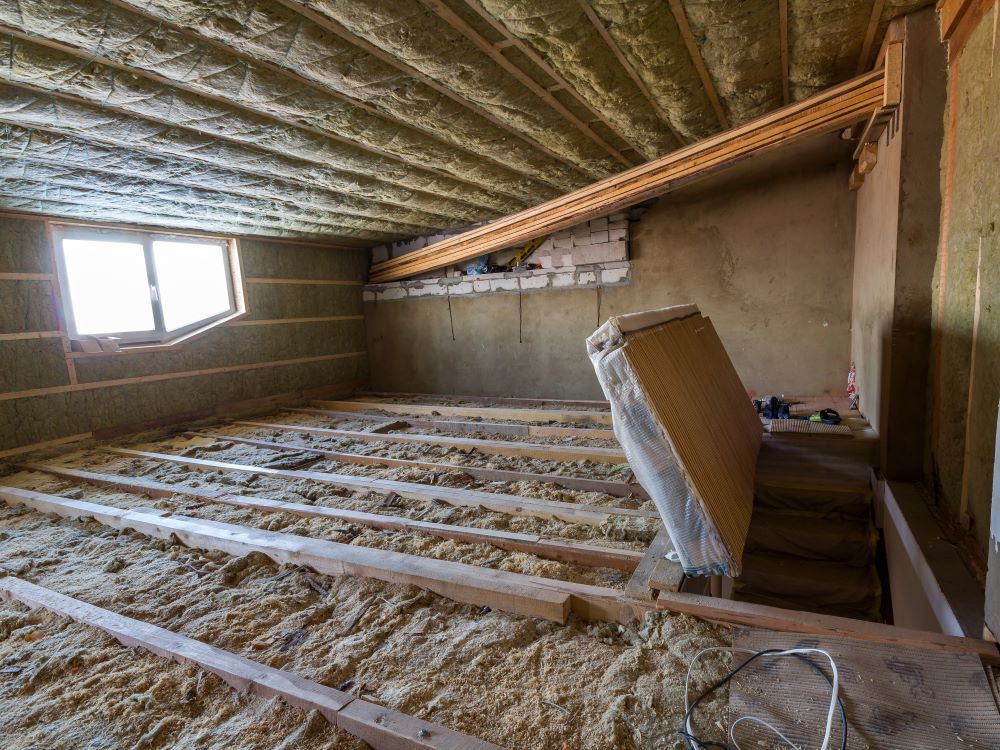
- Uneven or compressed fiberglass insulation
- Bare sections of the attic floor
- Damp or fallen crawl space insulation
- An incomplete vapor barrier
- Musty odors near lower-level rooms
- Drafts around ceilings, floors, or access panels
- Rising energy bills without a major change in usage
Homes near Willamette Falls and Clackamette Park may experience different moisture and wind exposure than properties in Barclay Hills or Caufield. A professional insulation replacement service should account for the home’s location, construction, and existing materials rather than relying on one standard solution.
Improvements Planned Around the Source of the Problem
When Heat Escapes Through the Attic
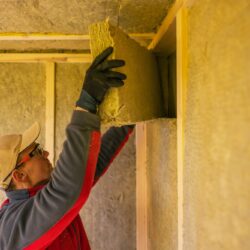
Attic insulation reduces heat transfer through the ceiling and roof assembly. Depending on access and existing conditions, fiberglass insulation or batt insulation may be installed to improve coverage.
Before installation, technicians inspect for moisture staining, blocked ventilation, and accessible air leaks. Damaged material may need removal, while clean and dry insulation can sometimes remain beneath a compatible upgrade.
When Moisture Rises From the Crawl Space
A vapor barrier covers exposed soil and limits ground moisture entering the crawl space. Proper installation includes fitting the material around pipes, piers, posts, and foundation features so large areas are not left exposed.
When persistent humidity, foundation-wall dampness, or recurring insulation damage is present, crawl space encapsulation may provide broader protection. Active plumbing leaks, drainage failures, and standing water must be addressed separately before encapsulation begins.
Experience That Supports Better Home Performance
Northwest Weatherization has 16 years of experience serving Pacific Northwest homeowners. Our PTCS and LEAD Certified Technicians understand how insulation, airflow, moisture, and ventilation influence home performance.
We are a Trade Ally of Energy Trust of Oregon and have received the Angie’s List Super Service Award since 2013. Our approach includes licensed and insured service, clear recommendations, careful preparation, dependable customer service, and high-quality materials selected for each application. Qualifying homeowners may also have access to energy rebates.
Here’s what our clients are saying about working with Northwest Weatherization.


Contact Northwest Weatherization to schedule a free home energy assessment and request an insulation, vapor barrier, or crawl space encapsulation estimate in Oregon City, OR.
Frequently Asked Questions About Insulation in Oregon City
A home can remain drafty when air leakage has not been addressed. Insulation slows heat transfer, but air can still pass through gaps around plumbing, wiring, attic hatches, framing joints, and utility penetrations. Adding more material may cover these openings without stopping the airflow.
Older homes in the McLoughlin District and Canemah may contain leakage pathways created by aging materials, remodeling, or mechanical upgrades. Newer properties around Gaffney Lane can also have isolated gaps around ducts and utilities.
A professional assessment should examine both insulation coverage and accessible air pathways. The solution may include sealing appropriate gaps before adding attic insulation or replacing damaged materials. Required ventilation must remain open, and homes with combustion appliances may need additional safety considerations. Addressing insulation and airflow together usually provides a more complete response than increasing insulation depth alone.
A standard vapor barrier may be sufficient when the primary concern is exposed soil or an existing ground covering that is torn, displaced, or incomplete. It reduces moisture entering the crawl space as water vapor and can help protect insulation above.
Crawl space encapsulation is more extensive. Barrier material may cover the ground, extend up portions of foundation walls, and be sealed around seams and penetrations. It may be considered when an Oregon City, OR home has recurring humidity, musty odors, damp foundation surfaces, or repeated insulation damage.
Properties near Clackamette Park or Willamette Falls may face different soil and moisture conditions than hillside homes in Barclay Hills. However, neither option should conceal standing water, plumbing leaks, or exterior drainage problems. Northwest Weatherization evaluates the moisture source, foundation design, ventilation, and material condition before recommending the appropriate approach.
The cost depends on the area being improved, access, material type, existing damage, and preparation requirements. Adding fiberglass or batt insulation to an accessible attic generally involves a different scope than removing wet crawl space material and installing a new vapor barrier.
Older homes near the McLoughlin District may have narrow attic openings, mixed construction, or additions that require separate treatment. Properties in Hillendale or Caufield may offer easier access but still need air sealing, ventilation protection, or moisture correction.
A useful estimate should separate removal, preparation, materials, installation, and crawl space work. Homeowners should be cautious of pricing based only on square footage because it may overlook damaged insulation or difficult access. Northwest Weatherization begins with a free home energy assessment and can help determine whether Energy Trust of Oregon rebates apply to qualifying improvements.
Check Out Our Related Blogs!
- How Does an Insulation Contractor Evaluate Thermal Bridging Pathways During Whole-Home Energy Assessments?
- What Building Science Principles Does an Insulation Contractor Apply to Balance Air Sealing and Ventilation Performance?

- What Diagnostic Technologies Does an Insulation Contractor Use to Verify Post-Installation Thermal Continuity?
- How Does an Insulation Contractor Determine Material Suitability Based on Climate Zone and Assembly Design?
- What Should I Ask an Insulation Contractor in Tigard OR Before Hiring?
- Is an Insulation Contractor in Laurelhurst Portland OR Needed for Historic Homes?