Planning Insulation Installation Around the Needs of Tigard Homes
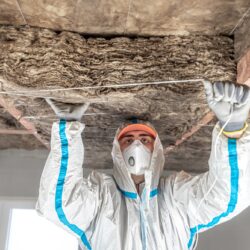
Northwest Weatherization provides professional insulation services for homeowners planning insulation installation in Tigard, OR. Properties near Bull Mountain, Southview, Summerlake Park, and Bridgeport Village differ in age, framing, attic access, and crawl space conditions, so the installation process should begin with an assessment of the building rather than a standard product recommendation.
Tigard’s wet winters can expose air leaks, cold floors, and moisture issues beneath the home. During warmer weather, insufficient attic insulation may allow upper rooms to overheat and place additional demand on cooling equipment. A free home energy assessment helps identify which insulation upgrades can improve comfort and reduce avoidable pressure on utility bills.
Before New Insulation Goes In
The condition of the installation area directly affects how well new insulation materials perform. Adding quality materials over moisture damage, debris, or uncontrolled air leakage can limit the value of the project.
Before installation, technicians may evaluate:
- Existing insulation depth and condition
- Roof staining or signs of water entry
- Ventilation pathways in the attic
- Air leaks around plumbing and wiring
- Exposed soil beneath the home
- Damaged or incomplete vapor barriers
- Pest activity or contaminated insulation
- Access around framing, utilities, and ducts
A hillside home near Bull Mountain may have multiple attic or foundation levels, while a property near Dirksen Nature Park may remain shaded and retain ground moisture longer. Homes close to Cook Park or the Broadway Rose Theatre Company may include older sections and additions insulated at different times.
Installation Options Based on the Area of the Home
Attic Insulation for Uneven Upper-Level Temperatures
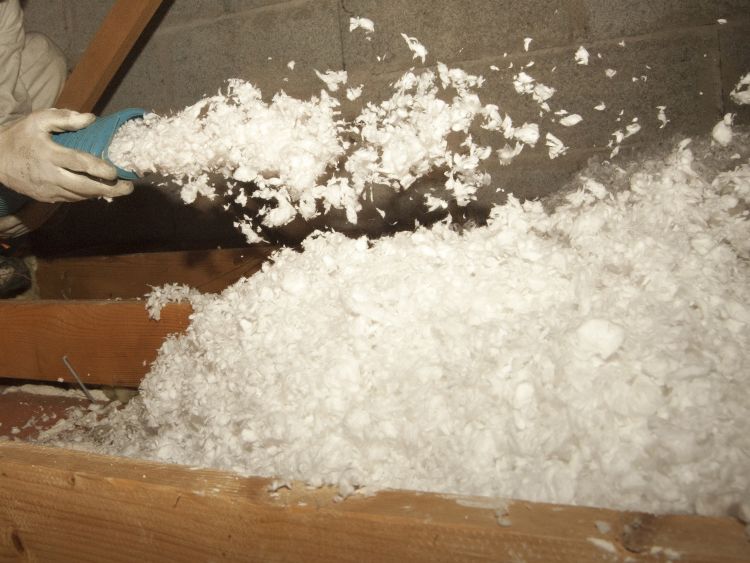
Attic insulation limits heat transfer between the living area and roof assembly. Depending on access and framing, fiberglass insulation or another appropriate material may be installed to create consistent coverage.
Before material is added, accessible air leaks should be addressed and required ventilation protected. Existing insulation may remain when it is clean, dry, and compatible with the planned upgrade.
Wall Insulation for Persistent Room-to-Room Differences
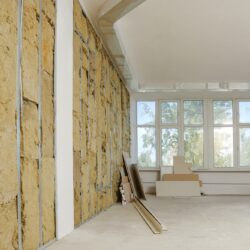
Wall insulation can help when exterior rooms feel noticeably colder or warmer than adjacent spaces. This is common in additions, converted rooms, and homes where some cavities were left untreated during earlier construction.
The recommended method depends on whether the walls are open, enclosed, partially insulated, or affected by moisture. Installation should improve deficient areas without creating unnecessary disturbance to finished surfaces.
Floor and Crawl Space Insulation for Cold Living Areas
Crawl space insulation helps separate occupied rooms from the cooler area beneath the home. Before floor insulation is installed, technicians should inspect for damaged materials, plumbing leaks, exposed soil, and pest contamination.
A vapor barrier may be recommended when ground moisture contributes to damp conditions. Standing water or active drainage problems require correction before crawl space insulation work begins.
Targeted Upgrades Instead of Unnecessary Removal
Not every installation project requires all existing material to be removed. Insulation that remains dry, clean, securely installed, and compatible with the new system may continue to serve the home.
Selective upgrades can improve thin attic coverage, incomplete walls, or damaged floor sections while preserving materials that still perform adequately.
A Installation Process Backed by Regional Training
Northwest Weatherization has 16 years of experience serving Pacific Northwest homeowners. Our PTCS and LEAD Certified Technicians understand how insulation, ventilation, air movement, and moisture affect the performance of Tigard homes.
We are a Trade Ally of Energy Trust of Oregon and have received the Angie’s List Super Service Award since 2013. Homeowners can expect:
- Licensed and insured insulation contractor services
- Recommendations based on observed conditions
- Clear explanations of available insulation materials
- Careful preparation before installation
- Protection of required ventilation and access
- Reliable scheduling and communication
- Guidance regarding qualifying energy rebates
Our team works throughout Bull Mountain, Southview, Summerlake, and neighborhoods near Cook Park, Dirksen Nature Park, and Bridgeport Village.
Tigard Homeowner Feedback and Installation Estimates
Here’s what our clients are saying about working with Northwest Weatherization.


Schedule a free home energy assessment with Northwest Weatherization to identify practical insulation upgrades for your Tigard, OR home. We can inspect the attic, walls, floors, crawl space, and existing vapor barriers before preparing a detailed installation estimate.
Frequently Asked Questions About Insulation Installation in Tigard
Common signs include uneven temperatures, cold floors, hot upper rooms, drafts, and utility bills that seem high for the size of the home. Homeowners may also notice fiberglass insulation that has shifted, fallen, or become compressed.
The source is not always the area where discomfort is felt. In Tigard, OR, a cold room in Southview may be affected by missing wall insulation, but air leakage in the attic or a damaged duct could also contribute. A Bull Mountain home may have several rooflines or foundation levels, creating isolated areas of inadequate coverage.
A professional assessment should examine accessible insulation, ventilation, air leaks, moisture, and crawl space conditions. Northwest Weatherization uses those findings to determine whether the home needs a targeted installation, broader insulation upgrades, or preparation such as air sealing and vapor barrier work. This prevents useful material from being removed or new insulation from being placed where it will have limited benefit.
Not always. Existing insulation can often remain when it is dry, clean, securely positioned, and compatible with the proposed installation. For example, an attic with evenly distributed fiberglass insulation may only need additional coverage in thin areas.
Removal is more appropriate when material is wet, contaminated, pest-damaged, heavily compressed, or concealing a leak. In Tigard, OR, homes near Cook Park or the Broadway Rose Theatre Company may contain insulation installed during several remodeling periods. One section may remain usable while another requires replacement.
The installation area should also be checked for air leaks and moisture issues before new material is added. Covering damaged insulation can hide odors, contamination, or roof staining and make future repairs more difficult.
Northwest Weatherization documents what can remain and what should be removed so the project scope reflects actual conditions rather than an automatic full replacement.
Crawl space insulation itself primarily supports thermal performance, but the preparation surrounding the installation may also influence indoor air quality. Air can move from beneath the home into occupied rooms through gaps around plumbing, wiring, ducts, and floor framing.
If the crawl space contains wet insulation, pest debris, exposed soil, or musty materials, those conditions may affect the air above. In Tigard, OR, shaded homes near Dirksen Nature Park may experience prolonged ground dampness, while properties near Bull Mountain can have separate crawl space sections because of sloped foundations.
Before installing new floor insulation, technicians should identify moisture, contamination, and air leakage. Damaged materials may need removal, and a vapor barrier may be recommended to reduce ground moisture.
Insulation should be part of a coordinated plan rather than installed over unresolved problems. Cleaning, moisture control, and targeted sealing may all be needed to create suitable conditions.
Many residential insulation projects can be completed within one to several working days. The timeline depends on the area being insulated, access, preparation, material removal, moisture conditions, and the installation method.
A straightforward attic project in a home near Summerlake Park may move quickly after air leaks and ventilation concerns are addressed. Wall insulation or floor insulation above a low crawl space may require more time because technicians must work around framing, utilities, and limited access.
In Tigard, OR, hillside homes around Bull Mountain may contain multiple roof or foundation levels, while older Southview properties may have several generations of insulation requiring careful evaluation. Active leaks, pests, or drainage problems can delay installation until the appropriate repairs are completed.
Northwest Weatherization explains the expected preparation, installation, and cleanup sequence before work begins so homeowners understand what affects the schedule.
Cost depends on square footage, access, material selection, preparation, and the condition of the existing insulation. Adding material to a clean, accessible attic generally costs less than removing contaminated insulation, cleaning a crawl space, installing vapor barriers, and replacing floor insulation.
Tigard homes vary in layout and construction. A house near Bridgeport Village may have modern framing but complex mechanical penetrations, while an older home near Cook Park may include narrow attic access and additions with incomplete wall insulation.
A detailed estimate should separate preparation, removal, air sealing, insulation materials, vapor barrier work, and installation labor. Comparing proposals only by square-foot price may overlook access challenges and necessary preparation.
Northwest Weatherization provides a free home energy assessment and can help homeowners determine whether eligible Energy Trust of Oregon rebates may apply to qualifying insulation upgrades.
Check Out Our Related Blogs!
- What Thermal Bridging Variables Must Be Evaluated During Insulation Installation to Maintain Envelope Continuity?

- How Does Insulation Installation Influence Interstitial Condensation Behavior Within Exterior Wall Assemblies?

- How Does Insulation Installation Integrate Air Barrier Alignment to Improve Whole-Building Energy Performance?

- What Density Calibration Methods are Used in Insulation Installation to Prevent Settling and Performance Loss Over Time?

- What are the R-value Requirements for Insulation Installation in Tualatin OR?
- How Long Does a Standard Insulation Installation in Tigard OR Take to Complete?