The Hidden Science Behind Choosing Insulation Materials that Actually Work Together
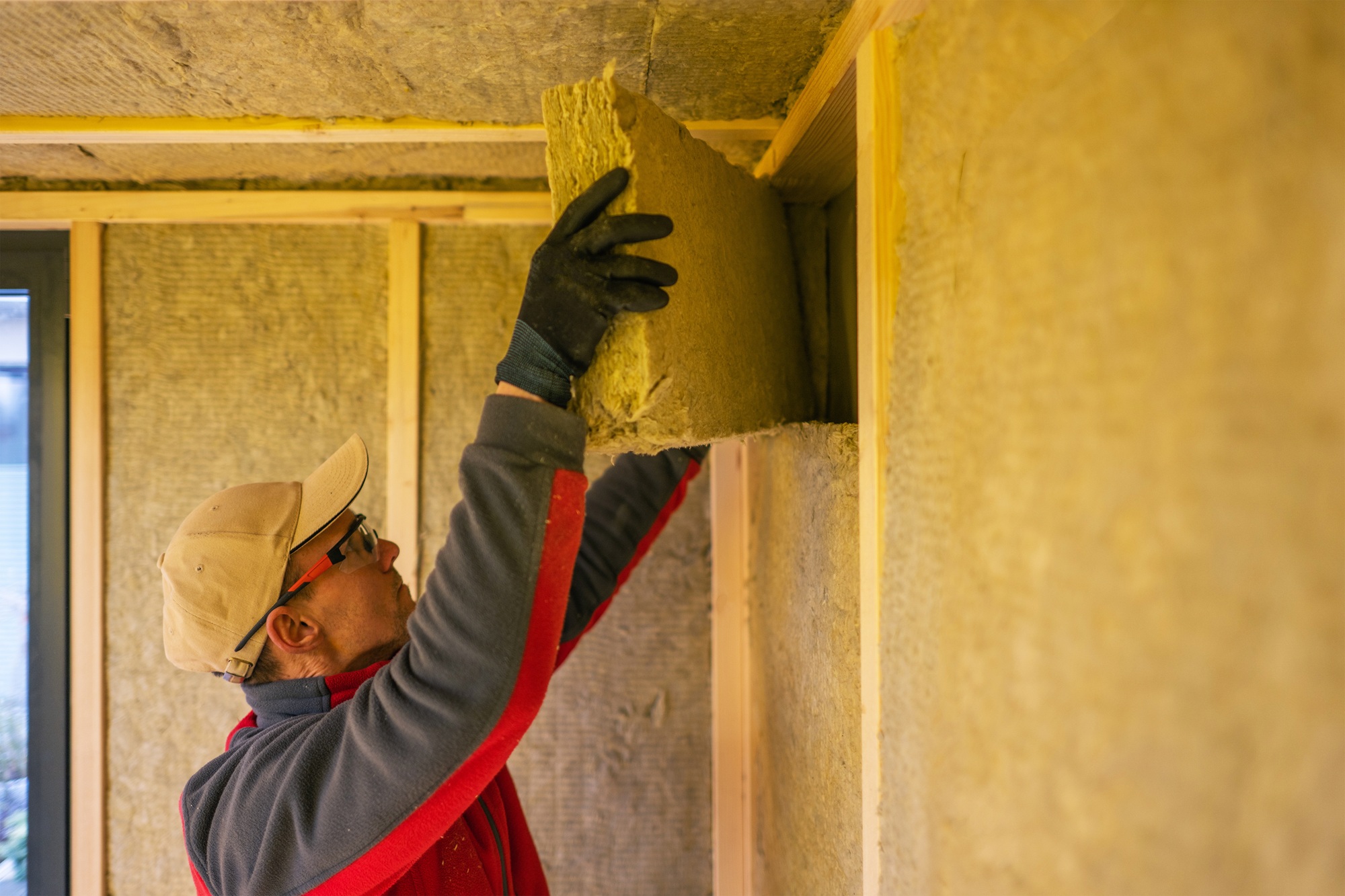
Insulation replacement isn’t just about removing old material and filling the gaps with new material. For homeowners considering insulation replacement in Portland OR, understanding how different building components interact can help prevent costly problems years down the road. The wrong combination of insulation products, moisture control systems, and air sealing methods may compromise energy efficiency, reduce indoor comfort, and even affect structural integrity.
Material compatibility during insulation replacement involves evaluating how insulation types interact with moisture barriers, air sealing systems, existing construction materials, and climate conditions. Proper compatibility improves energy efficiency, minimizes heat loss, supports indoor air quality, and prevents long-term performance conflicts within the building envelope.
Many homeowners focus solely on R-values, assuming higher numbers automatically deliver better results. In reality, successful insulation projects rely heavily on building science principles. Northwest Weatherization understands that every home presents unique challenges, especially throughout Portland, OR, where fluctuating moisture levels and seasonal temperature changes influence how insulation materials perform over time.
Why Material Compatibility Matters More Than Most Homeowners Think
Think of a home’s thermal envelope as an orchestra. Each component must perform its role while working harmoniously with the others. When insulation materials conflict with surrounding assemblies, the result often resembles an out-of-tune performance.
Different insulation types respond differently to moisture exposure, temperature fluctuations, and air movement. Spray foam insulation behaves differently from blown-in cellulose insulation. Rockwool insulation offers unique advantages compared to fiberglass systems. Closed-cell foam provides both insulation and air sealing benefits, while other products may require separate moisture or air barrier solutions.
A frequently asked question among Portland homeowners is:
Can incompatible insulation materials actually reduce efficiency?
The answer is yes. Incompatible products may trap moisture, restrict drying potential, interfere with vapor movement, or create gaps that increase heat loss. Over time, these issues can contribute to rising energy costs, declining indoor air quality, and avoidable repair expenses.
In the Pacific Northwest, moisture management becomes especially important. High rainfall levels and extended heating seasons create conditions where improper insulation choices may accelerate deterioration rather than improve performance.
Northwest Weatherization conducts energy assessments and insulation-level checks to identify compatibility issues before recommending replacement solutions.
Five Material Compatibility Mistakes that Can Lead to Future Problems
Homeowners often assume insulation replacement is straightforward. However, overlooking critical compatibility factors can create lasting complications.
One common mistake involves mixing insulation types without understanding how they interact. Combining materials with different vapor-permeability characteristics may limit drying potential within ceiling, wall, and floor insulation assemblies.
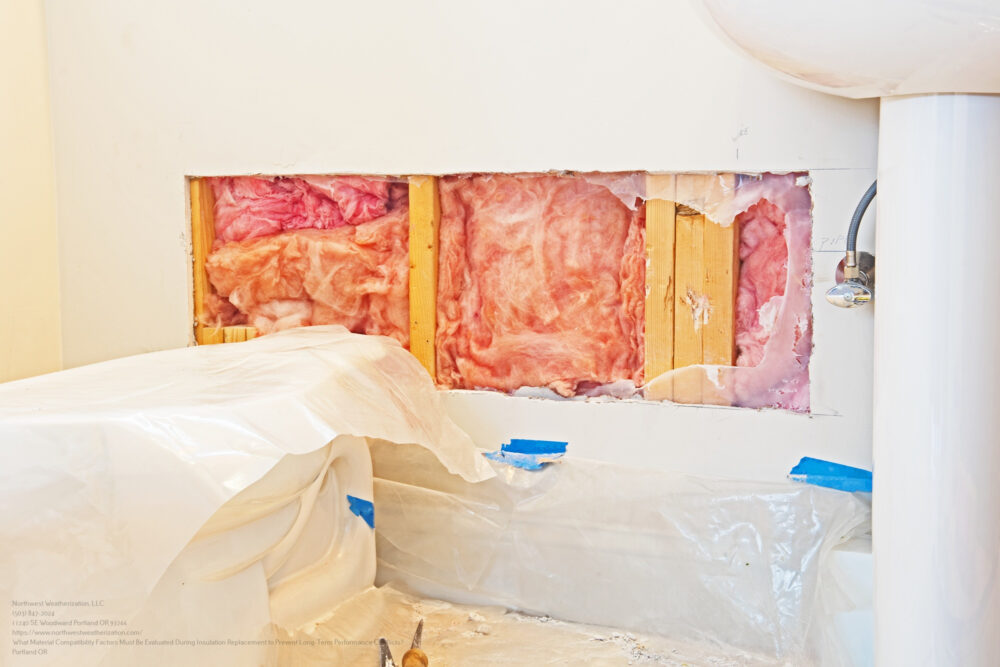
Another issue arises when air-sealing work is neglected. Installing new insulation while ignoring air leaks reduces overall effectiveness and contributes to unnecessary energy bills.
Improper placement of the vapor barrier also presents challenges. Vapor barriers should complement insulation systems rather than trap unwanted moisture inside building cavities.
Ignoring existing moisture conditions ranks among the most serious errors. Homes affected by previous leaks, inadequate attic ventilation, or crawl space humidity require moisture concerns to be addressed before new insulation installation begins.
Finally, selecting products based solely on price can undermine long-term value. Lower upfront costs may lead to increased energy consumption and premature replacement.
According to the U.S. Department of Energy, combining effective insulation with appropriate air sealing significantly improves home energy performance and comfort. Their guidance emphasizes evaluating building systems as a whole rather than treating insulation as an isolated upgrade.
Would You Like Professional Insulation Replacement for Your Home?
Contact Northwest Weatherization today and discover how smarter insulation choices can transform your home’s comfort.
How Compatibility Directly Influences Comfort and Energy Savings
Material compatibility affects far more than utility bills. It shapes the way homeowners experience their living environments every day.
Properly coordinated insulation systems improve energy efficiency by reducing uncontrolled heat loss. Homes maintain more stable temperatures, helping heating and cooling systems operate more effectively.
Indoor air conditions often improve as well. Reducing drafts and minimizing moisture accumulation supports healthier indoor air environments. Families may notice fewer temperature fluctuations and greater overall comfort.
Structural integrity benefits from compatible material selections, too. Managing moisture effectively protects framing components and reduces the likelihood of hidden deterioration developing behind finished surfaces.
For homeowners pursuing Net Zero Energy objectives or broader energy-saving upgrades, insulation compatibility serves as a foundational element. Energy-efficient systems perform best when supported by a durable, properly designed building envelope.
Many Portland residents exploring Energy Trust incentive program opportunities discover that insulation replacement offers meaningful returns through reduced energy costs and enhanced home performance.
Northwest Weatherization integrates these principles into every project, recognizing that successful insulation replacement requires balancing immediate comfort improvements with long-term building resilience.
Insulation Replacement in Portland OR: What Professionals Evaluate Before Recommending Materials
When performing insulation replacement in Portland OR, experienced professionals assess numerous compatibility variables before selecting insulation products.
Existing construction characteristics play a major role. Wall configurations, attic layouts, and crawl space conditions influence which insulation types perform best.
Moisture behavior represents another essential consideration. Air barrier systems, moisture barrier placement, and ventilation strategies should complement insulation materials rather than conflict with them.
Common evaluation criteria include:
- Existing insulation conditions and contamination levels.
- Moisture exposure risks within assemblies.
- Opportunities for duct and air sealing.
- Compatibility between insulation products and surrounding materials.
- Local climate considerations affecting drying potential.
Portland homeowners frequently encounter situations in which older insulation systems no longer meet current performance expectations. Updating these systems thoughtfully helps maximize energy savings while preserving durability.
Spray foam, blown-in cellulose insulation, rockwool insulation, and radiant barrier installation strategies each offer advantages depending on project goals. The key lies in selecting combinations that function cohesively rather than independently.
Northwest Weatherization emphasizes personalized recommendations rooted in practical building science. By evaluating homes comprehensively, the company helps homeowners make informed decisions supporting both comfort and efficiency.
Expert Insights: What Northwest Weatherization Has Learned from Real-World Projects
Experience often reveals lessons that textbooks can’t fully capture. Throughout Portland, OR, Northwest Weatherization has encountered numerous homes where insulation replacement uncovered hidden compatibility concerns affecting long-term performance.
One recurring issue is outdated insulation materials that do not interact well with newer upgrades. For example, older vapor barrier systems may conflict with modern spray foam insulation applications if moisture management strategies aren’t reevaluated. Similarly, removing attic insulation can expose ventilation deficiencies that compromise the effectiveness of replacement materials.
Another observation is that homeowners focus exclusively on R-values while overlooking air movement. Even high-performing insulation products can fall short when air leaks remain unaddressed. That’s why blower door evaluations, ductwork sealing assessments, and targeted air sealing work often accompany insulation recommendations.
A practical takeaway for Portland homeowners is simple: insulation shouldn’t be viewed as a stand-alone product. Instead, it functions as part of an interconnected system involving moisture control, ventilation practices, HVAC performance, and overall building science principles.
Smart Strategies that Improve Compatibility and Long-Term Performance
Successful insulation replacement begins with thoughtful planning. Rather than choosing products based solely on popularity or price, professionals prioritize performance compatibility.
First, understanding the home’s insulation needs is critical. Different structures require different approaches depending on age, construction methods, and environmental exposure.
Second, moisture control deserves careful attention. Moisture Barrier systems should support drying potential while limiting unwanted water intrusion. Properly integrated Air Barrier solutions complement insulation performance by reducing uncontrolled airflow.
Third, evaluating the heating and cooling system provides valuable insights. Improving Home insulation without considering HVAC efficiency can leave opportunities for additional energy savings unrealized.
Northwest Weatherization recommends prioritizing the following best practices:
- Conduct thorough energy audits before selecting materials.
- Address attic and crawl space concerns proactively.
- Coordinate insulation replacement with duct sealing improvements.
- Verify compatibility between insulation types and surrounding assemblies.
- Consider future energy-saving upgrades during planning stages.
These practices help homeowners maximize comfort while reducing long-term maintenance concerns.
What Homeowners Should Remember about Material Compatibility
Insulation replacement represents an opportunity to strengthen the entire building envelope—not merely improve thermal resistance.
The most effective projects address energy efficiency, moisture management, indoor comfort, and long-term durability simultaneously. Compatibility considerations ensure that insulation products work together rather than compete with one another.
Key takeaways include:
- Different insulation types perform differently under varying conditions.
- Air sealing supports insulation effectiveness.
- Moisture management influences long-term durability.
- Energy assessments identify opportunities for improvement.
- Regional climate considerations should guide material selection.
When approached strategically, insulation replacement can lead to lower energy costs, improved indoor air quality, enhanced structural integrity, and greater overall satisfaction.
For Portland homeowners exploring residential/commercial insulation services, understanding compatibility factors provides a valuable foundation for informed decision-making.
Why Northwest Weatherization is the Right Partner for Smarter Insulation Solutions
We at Northwest Weatherization provide the best solutions to our customers. We understand that successful insulation replacement depends on much more than choosing a product with a high R-value. By evaluating material compatibility, moisture-control requirements, air-sealing opportunities, and overall building performance, we help homeowners achieve lasting results.
Our experienced team delivers personalized recommendations backed by practical building science principles and a commitment to customer satisfaction. Whether addressing attic insulation concerns, improving wall and floor insulation systems, or supporting broader home weatherization services, we focus on solutions that protect both comfort and structural integrity.
We take pride in offering professional evaluations, quality workmanship, and attentive service throughout every stage of the process. Our goal is to help homeowners make confident decisions that improve energy efficiency while safeguarding their investments.
Contact Northwest Weatherization today for expert insulation replacement services designed to enhance comfort, reduce energy costs, and improve long-term home performance. Protect your home’s future with professional insulation replacement in Portland OR.
Would You Like Professional Insulation Replacement for Your Home?
Contact Northwest Weatherization today and discover how smarter insulation choices can transform your home’s comfort.