
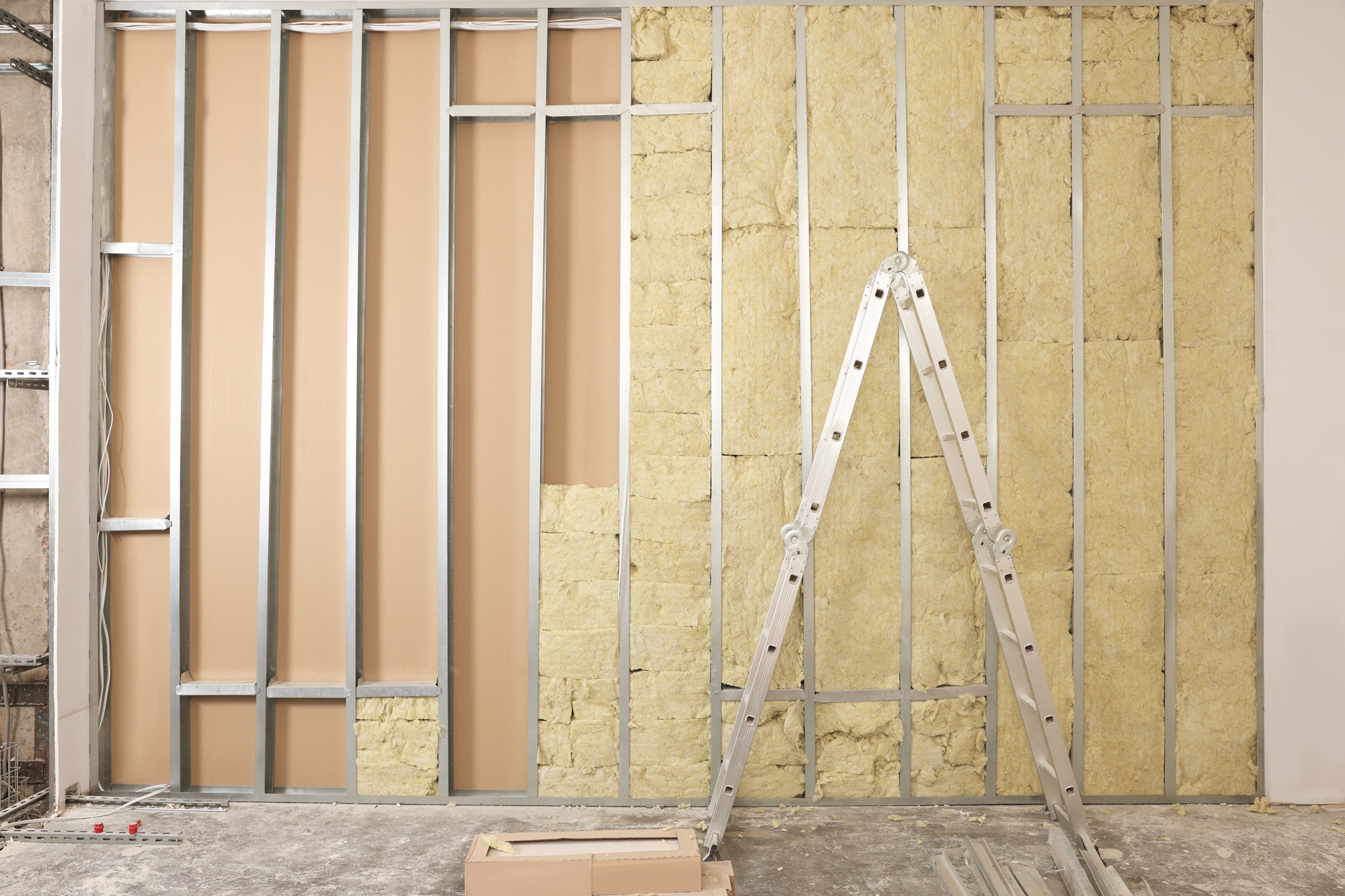
The Invisible Air Movement Inside Your Walls that Quietly Drains Energy
You can’t see it. You usually can’t feel it. But convective heat loss inside your walls can quietly drive up energy bills and reduce comfort year-round. That’s why a trusted insulation company in Hillsboro OR doesn’t rely on guesswork; they use advanced diagnostic methods to uncover what’s happening behind the drywall.
Convective heat loss occurs when air moves within wall cavities, carrying heat with it. Detecting it requires specialized tools and a deep understanding of building science, especially in climates like Western Oregon, where moisture and temperature swings are common.
Insulation companies detect hidden convective heat loss using thermal imaging, blower door testing, and airflow diagnostics. These tools reveal air movement inside wall assemblies, helping professionals identify gaps, insulation failure, and moisture issues that reduce energy efficiency and compromise real-world thermal insulation performance.
Why Heat Loss Inside Walls is Harder to Detect than You Think
Most homeowners assume heat loss happens through obvious gaps – windows, doors, or attic spaces. But a large portion actually occurs within wall assemblies, where air circulates through the insulation layers.
In Hillsboro, OR, changing temperatures and humidity levels create ideal conditions for convection currents inside walls. Warm air rises, cool air sinks, and this movement disrupts thermal insulation performance.
People Also Ask: What is convective heat loss in walls?
It’s the movement of air within wall cavities that carries heat away from living spaces. Even well-insulated walls can lose efficiency if air is allowed to circulate freely inside them.
Northwest Weatherization often finds that homes with older blown-in insulation or poorly installed fiberglass insulation are especially prone to this issue.
How Experts in Insulation Companies Uncover Hidden Airflow Inside Walls
A professional insulation company in Hillsboro OR uses a combination of diagnostic tools to detect what the eye can’t see.
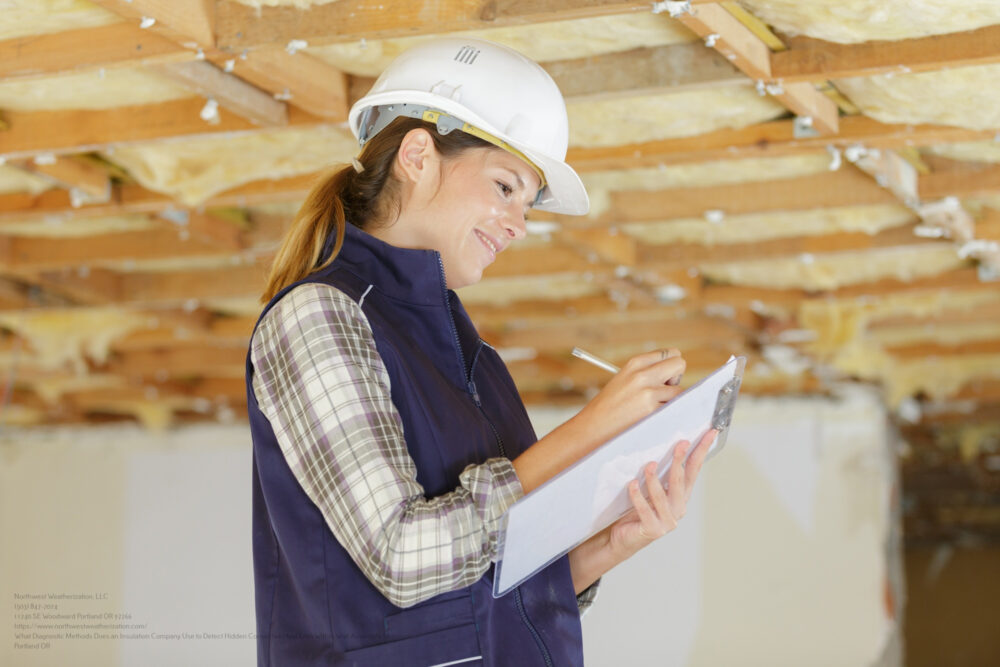
Thermal imaging cameras are often the first step. They highlight temperature differences across wall surfaces, revealing areas where heat is escaping. But thermal imaging alone isn’t enough – it shows symptoms, not causes.
That’s where blower door testing comes in. By depressurizing the home, technicians can identify air infiltration points and observe how air moves through wall cavities. This method is especially effective for detecting convective loops inside insulation layers.
In many cases, Northwest Weatherization combines these tools with targeted inspections to pinpoint problem areas and recommend solutions tailored to the home’s structure.
According to the U.S. Department of Energy, air leakage can significantly reduce insulation performance, making diagnostic testing essential for achieving true energy efficiency.
Want Better Insulation Performance for Your Home?
Contact Northwest Weatherization today for expert service and lasting comfort.
5 Hidden Problems that Allow Convective Heat Loss to Thrive
Convective heat loss doesn’t happen randomly. It’s usually the result of specific issues within the wall system:
1. Gaps in Insulation Coverage
Uneven or incomplete insulation installation allows air to circulate freely.
2. Poor Air Sealing
Air leaks around outlets, framing, or seams create pathways for airflow.
3. Moisture Intrusion
Water damage or high humidity reduces insulation effectiveness and encourages mold growth.
4. Missing or Damaged Vapor Barrier
Without a proper moisture barrier, air and moisture move more easily through wall assemblies.
5. Low-Density Insulation Materials
Some materials, like loosely packed blown insulation, are more susceptible to air movement.
Northwest Weatherization addresses these issues through comprehensive insulation services, ensuring walls are properly sealed and insulated for long-term performance.
The Diagnostic Tools that Reveal What’s Happening Behind Your Walls
Detecting convective heat loss requires more than experience. It requires the right tools used correctly.
Here’s how professionals approach it:
- Thermal imaging scans: These reveal temperature variations that indicate heat loss patterns within wall assemblies.
- Blower door testing: This creates pressure differences that expose air leaks and airflow pathways.
- Smoke testing or tracer gas methods: Used to visualize air movement inside walls and confirm convection currents.
- Moisture detection tools: Identify hidden moisture that can impact insulation and indoor air quality.
- Visual and structural inspection: Checks insulation density, coverage, and condition within accessible areas.
In regions like Western Oregon, where moisture and temperature shifts are common, combining these methods provides the most accurate results.
For homeowners interested in understanding how air movement affects insulation, the Department of Energy offers resources that explain how air sealing and insulation work together to improve energy performance.
Why Detecting Convective Heat Loss Matters More than You Think
Ignoring hidden heat loss doesn’t just affect comfort. It impacts the entire home.
When convective heat loss is addressed:
- Energy efficiency improves, reducing energy costs
- Indoor air quality becomes healthier with fewer contaminants
- Mold prevention becomes easier due to better moisture control
- HVAC systems operate more efficiently
- Long-term energy savings increase
Northwest Weatherization has worked with property owners who experienced uneven temperatures and high energy bills despite recent insulation upgrades. After diagnosing hidden airflow issues, targeted solutions restored comfort and reduced operating costs.
Expert Insight: The Difference Between Insulation and Performance
Here’s a common misconception: Adding more insulation always solves the problem. In reality, performance depends on how insulation interacts with air movement.
For example, spray foam insulation or spray polyurethane foam can reduce convective heat loss by sealing air pathways. However, even these materials require proper installation to achieve full benefits.
In one Hillsboro home, Northwest Weatherization identified significant convection in wall cavities despite adequate insulation. By improving air sealing and upgrading insulation density, the team eliminated airflow issues and improved energy efficiency.
The lesson is simple: insulation works best when combined with proper air control and moisture management.
How Homeowners Can Spot Signs of Hidden Wall Heat Loss
While you can’t see inside your walls, there are clues that something isn’t right.
Look for:
- Uneven temperatures between rooms
- Drafty walls despite insulation upgrades
- Higher-than-expected energy bills
- Cold spots on interior walls
- Signs of moisture or mold growth
If these issues sound familiar, a professional inspection can identify the root cause. Northwest Weatherization offers in-person inspections and energy audits to help homeowners understand what’s happening behind their walls.
Key Takeaways for Better Insulation Performance
Convective heat loss is often overlooked, but it plays a major role in how your home performs.
Here’s what to remember:
- Heat loss inside walls is often caused by air movement, not just insulation gaps
- Diagnostic tools like thermal imaging and blower door testing are essential
- Moisture and air leaks significantly impact insulation effectiveness
- Proper installation and air sealing improve long-term performance
- Professional evaluation ensures accurate solutions
Addressing these factors helps create a more energy-efficient building and reduces your home’s carbon footprint over time.
Why Northwest Weatherization is the Smart Choice for Your Home
We at Northwest Weatherization provide the best solutions to our customers by focusing on real performance, not just installation. Our team understands how hidden airflow and moisture affect insulation, and we use advanced diagnostics to ensure every project delivers lasting results.
We take pride in offering expert attic and crawl space insulation, as well as comprehensive weatherization solutions that improve comfort and energy efficiency. Our commitment to quality ensures your home performs the way it should.
If you’re ready to uncover hidden energy loss and improve your home’s performance, contact Northwest Weatherization today. Experience the difference with a trusted insulation company in Hillsboro OR.
Want Better Insulation Performance for Your Home?
Contact Northwest Weatherization today for expert service and lasting comfort.