
Moisture Beneath the Home Can Affect the Entire House
Northwest Weatherization provides professional crawl space vapor barrier installation for homeowners in Beaverton, OR. In a region known for prolonged rain, damp soil, and cool seasonal conditions, moisture rising from the ground can affect insulation, framing, indoor comfort, and air quality. A properly installed barrier helps separate the home from exposed soil and creates a cleaner foundation for long-term moisture control.
Properties in Downtown Beaverton, Cedar Hills, and Bethany often differ in age, drainage, and crawl space design. Newer homes near South Cooper Mountain may also experience moisture concerns when grading, runoff, plumbing leaks, or incomplete ground coverings allow damp conditions to develop beneath the house.
A vapor barrier does not correct every source of water, but it can play an important role in protecting crawl spaces once active leaks and drainage problems have been identified. Northwest Weatherization begins with a free home energy assessment to determine what the space needs before recommending installation.
What Happens When Ground Moisture is Left Uncontrolled
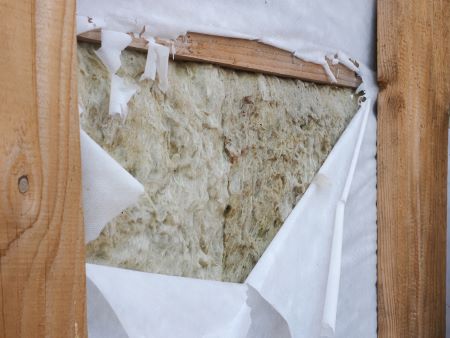
Exposed soil continuously releases water vapor into a crawl space. During Beaverton’s wetter months, this can increase humidity around floor framing, insulation, ductwork, and foundation walls.
Homeowners may notice:
- Musty odors entering first-floor rooms
- Damp or fallen insulation
- Condensation on pipes or surfaces
- Discoloration around framing
- Cold floors and uneven temperatures
- Increased risk of mold growth
- Reduced indoor air quality
- Conditions that may contribute to structural damage over time
Homes near Tualatin Hills Nature Park or other heavily vegetated areas may remain shaded and damp longer after rainfall. Properties around Murrayhill and Progress Ridge can also experience varying runoff conditions because of slope and elevation.
The correct response depends on the source. Standing water, plumbing leaks, and exterior drainage failures should be addressed separately. Once those issues are controlled, vapor barriers or crawl space encapsulation can help manage the moisture entering through soil and foundation surfaces.
Two Levels of Crawl Space Moisture Protection
Vapor Barrier Installation for Exposed Soil
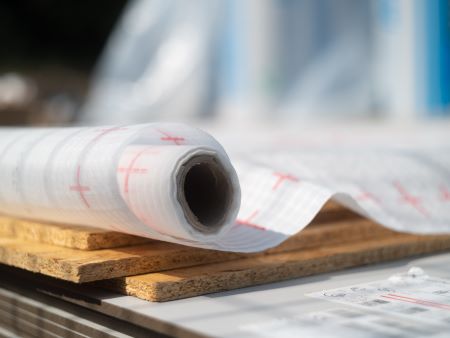
A standard vapor barrier covers the crawl space floor with durable polyethylene sheet material. The barrier limits the amount of ground moisture entering the area and helps create a cleaner surface for inspection and future maintenance.
Professional installation involves more than placing loose plastic over the soil. Material must be fitted around posts, piers, pipes, and other obstacles. Sections are overlapped and secured with seam tape where appropriate, and coverage should extend into difficult areas without blocking necessary access.
A damaged, undersized, or poorly positioned barrier may leave large areas of soil exposed. Northwest Weatherization evaluates the existing material and determines whether it can be repaired or should be replaced.
Crawl Space Encapsulation for Broader Control
Crawl space encapsulation provides a more comprehensive approach. Water-resistant barriers may extend across the floor and up portions of the foundation walls, with seams and penetrations carefully sealed.
Encapsulation may be considered when a crawl space has recurring humidity, persistent musty odors, air movement into the living space, or moisture exposure beyond the ground surface alone. The system must be designed around the home’s foundation, ventilation, drainage, and access requirements.
For homeowners in South Cooper Mountain, Bethany, or Cedar Hills, the right option depends on actual site conditions rather than neighborhood age alone. A professional assessment helps determine whether a ground barrier is sufficient or whether a more complete encapsulation approach is appropriate.
Installation Standards That Protect Long-Term Performance
Northwest Weatherization has 16 years of experience working in Pacific Northwest homes. Our PTCS and LEAD Certified Technicians understand how crawl space moisture, insulation, ventilation, and air movement interact.
We are a Trade Ally of Energy Trust of Oregon and have received the Angie’s List Super Service Award since 2013. Our process emphasizes:
- Inspection of accessible moisture conditions
- Identification of damaged or missing barrier material
- Careful fitting around structural supports and utilities
- Durable polyethylene sheet and compatible seam tape
- Clear communication about drainage or repair concerns
- Licensed and insured service
- Guidance regarding available energy rebates
We do not treat vapor barriers as a stand-alone cure for every crawl space problem. If the area contains standing water, damaged insulation, suspected hazardous materials, or plumbing concerns, those conditions must be evaluated as part of the overall project.
Local Service Backed by Experience and Accountability
Northwest Weatherization serves homeowners throughout Downtown Beaverton, Murrayhill, Progress Ridge, Bethany, Cedar Hills, South Cooper Mountain, and neighborhoods near Tualatin Hills Nature Park.
Here’s what our clients are saying about working with Northwest Weatherization.


Protect your home from unnecessary ground moisture and recurring crawl space odors. Contact Northwest Weatherization to schedule a free home energy assessment and request a vapor barrier or crawl space encapsulation estimate in Beaverton, OR.
Frequently Asked Questions About Vapor Barriers in Beaverton
A crawl space may need a new vapor barrier when the existing material is torn, displaced, brittle, incomplete, or no longer covering exposed soil. Homeowners may also notice musty odors, damp insulation, condensation, cold floors, or elevated humidity inside the home.
In Beaverton, OR, crawl spaces are exposed to prolonged seasonal moisture. Homes near Bethany, Cedar Hills, and Tualatin Hills Nature Park may stay damp longer because of shade, vegetation, drainage patterns, or surrounding soil conditions. However, location alone does not determine whether replacement is necessary.
A technician should inspect the coverage, thickness, seams, edges, and condition of the existing polyethylene sheet. The inspection should also look for standing water, plumbing leaks, damaged insulation, and moisture around foundation walls.
If the barrier has only minor damage, targeted repairs may be possible. If large sections are missing or deteriorated, full replacement may offer more reliable moisture control. Northwest Weatherization evaluates the entire crawl space before recommending repair, replacement, or encapsulation.
A vapor barrier primarily covers exposed soil to reduce the amount of ground moisture entering the crawl space. It is commonly made from polyethylene sheet material and fitted around posts, piers, pipes, and other obstructions.
Crawl space encapsulation creates a more extensive sealed system. The barrier may cover the floor, extend up foundation walls, and be sealed around seams and penetrations. Depending on the home, additional air-sealing or moisture-management measures may also be recommended.
For a Beaverton, OR home with generally controlled drainage and moderate ground moisture, a standard vapor barrier may be sufficient. A property with persistent humidity, recurring musty odors, damp foundation surfaces, or significant air movement between the crawl space and living area may benefit from a broader encapsulation approach.
Homes around Murrayhill and Progress Ridge can also have slope-related runoff conditions that must be addressed before either system is installed. Encapsulation should not be used to conceal active water intrusion. The correct option depends on drainage, foundation design, ventilation, moisture levels, and the condition of the existing materials.
A vapor barrier can support better indoor air quality by reducing moisture entering the crawl space from exposed soil. Lower moisture levels may help limit musty odors and conditions that encourage mold growth or deterioration of insulation and wood components.
Air naturally moves through gaps around plumbing, wiring, ductwork, and framing. As a result, odors and airborne particles from a damp crawl space can migrate into living areas. This is especially relevant in Beaverton, OR homes where the crawl space is connected to first-floor cavities through numerous penetrations.
A barrier alone may not solve every air-quality concern. Wet insulation, pest contamination, plumbing leaks, standing water, or suspected hazardous material may require additional cleaning or remediation. Air-sealing and encapsulation may also be appropriate in some homes.
Properties near Downtown Beaverton and Cedar Hills may have older construction details that allow more uncontrolled airflow than expected. A complete assessment helps determine whether a vapor barrier is enough or whether other moisture-control and air-quality improvements should be completed at the same time.
The cost of vapor barrier installation in Beaverton, OR depends on crawl space size, access, existing material, soil conditions, and the amount of preparation required. A clean, open crawl space with exposed soil is generally less complex than a confined space containing debris, wet insulation, standing water, or a deteriorated barrier that must be removed.
Material thickness and installation scope also affect pricing. A basic polyethylene ground cover will differ in cost from a crawl space encapsulation system that extends up foundation walls and requires extensive seam sealing.
Homes near South Cooper Mountain or Progress Ridge may have sloped lots or drainage issues that need separate attention. Properties in established neighborhoods such as Cedar Hills may have limited access or older foundation configurations that increase labor time.
A reliable estimate should identify removal, cleaning, barrier material, wall coverage, seam tape, and any insulation or moisture repairs separately. Northwest Weatherization offers a free home energy assessment so homeowners receive recommendations based on actual conditions rather than square footage alone.
Vapor barrier installation can be completed throughout the year, but many Beaverton homeowners schedule the work before the fall and winter rainy season. Completing the project during drier conditions may make it easier to identify ground moisture, inspect drainage, and address damaged insulation before prolonged wet weather returns.
That said, visible moisture, musty odors, standing water, or fallen insulation should not be ignored until a particular season. These conditions may indicate active problems that require prompt inspection.
In Beaverton, OR, late winter and spring can reveal leaks or drainage concerns that were less obvious during summer. Homes near Tualatin Hills Nature Park, Bethany, and other green areas may experience persistent dampness even after rainfall decreases.
Before installing a barrier, active plumbing leaks, foundation seepage, and exterior drainage failures should be corrected. Once the space is suitable, a professionally fitted vapor barrier can provide ongoing ground moisture control. Scheduling an assessment early also gives homeowners time to compare vapor barrier and encapsulation options and review any available energy rebate opportunities.
Check Out Our Related Blogs!
- What Subgrade Moisture Equilibrium Assessments are Performed During Vapor Barrier Installation to Enhance Long-Term Crawl Space Performance?
- How Does Vapor Barrier Installation Utilize Vapor Drive Analysis to Prevent Interstitial Moisture Accumulation Within Building Assemblies?
- What Subfloor and Soil Conditions Must be Evaluated Before Professional Vapor Barrier Installation Begins?
- How Does Vapor Barrier Installation Control Vapor Diffusion To Protect Structural Components From Moisture Damage?
- How Does a Licensed Insulation Contractor Ensure Code Compliance Across Attics, Walls and Crawlspaces?
- Understanding Vapor Diffusion and Vapor Barriers