
The Hidden Moisture Inside Your Walls May Say More about Insulation Quality Than You Think
Walls aren’t supposed to trap moisture, but many homes quietly struggle with condensation hidden deep inside exterior assemblies. During professional insulation installation in Portland OR projects, contractors often discover that insulation problems are directly tied to moisture buildup, air leaks, and poor thermal control. Left unresolved, these conditions can weaken wall systems, increase energy costs, and damage indoor comfort over time.
Interstitial condensation occurs when warm, moisture-laden air moves into cooler wall cavities and condenses inside hidden building layers. Proper insulation installation, combined with air sealing work and moisture management strategies, helps regulate temperature differences and reduce long-term moisture risks within wall assemblies.
Insulation installation influences interstitial condensation by controlling temperature transfer, reducing air leaks, and stabilizing moisture movement within wall assemblies. Proper insulation and air barrier alignment help prevent hidden condensation, mold growth, structural deterioration, and energy loss while improving long-term building performance and indoor comfort.
Why Hidden Wall Condensation Becomes a Serious Problem in Northwest Homes
Portland’s damp climate creates ideal conditions for moisture-related building problems. In many homes across Portland, OR and Southwest Washington, condensation forms quietly inside exterior walls long before visible warning signs appear.
That moisture often develops because heated indoor air escapes through gaps in the Air Barrier system. When that warm air reaches colder wall surfaces, condensation forms between framing materials, insulation layers, and sheathing.
This process becomes even more problematic during winter heating and cooling cycles.
People Also Ask: Can insulation stop moisture problems inside walls?
Yes, but only when insulation works together with air sealing, ventilation, and moisture control systems. Insulation alone won’t stop condensation if airflow remains uncontrolled.
Northwest Weatherization frequently identifies moisture-related efficiency problems during home energy audits and insulation services throughout the Portland Metro Area.
Why Moisture Control Improves Both Comfort and Energy Efficiency
Interstitial condensation doesn’t just affect walls. It affects the entire home.
When insulation becomes damp, thermal resistance drops dramatically. Heating and cooling systems must work harder to maintain comfortable indoor temperatures, which increases energy bills and energy costs.
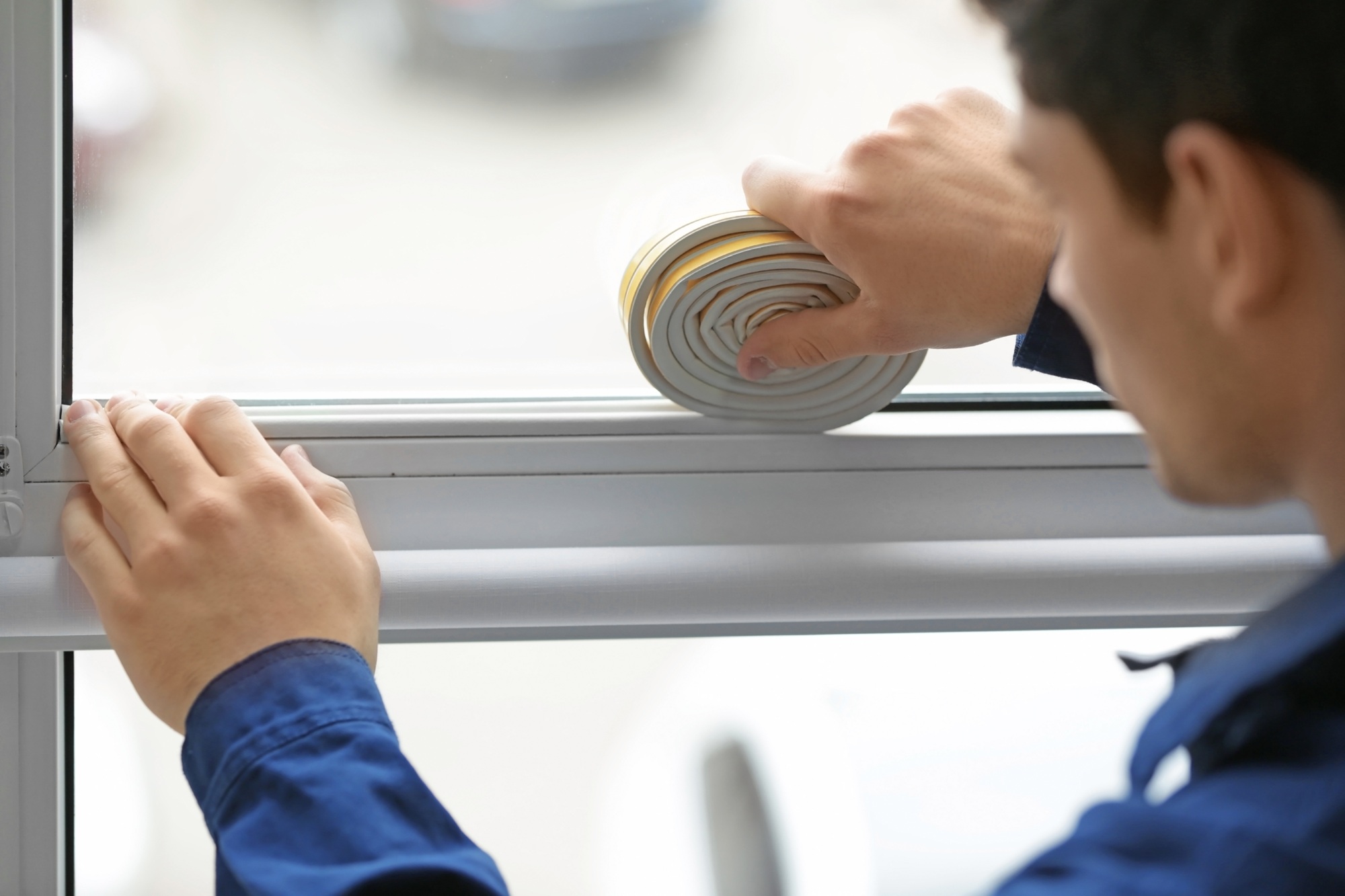
Moisture-related air leaks also affect indoor comfort and indoor air quality. Drafts become more noticeable, rooms feel inconsistent, and humidity levels fluctuate more frequently.
According to ENERGY STAR and the U.S. Department of Energy, properly insulated and sealed homes can significantly improve energy efficiency while lowering heating and cooling demands.
Homeowners often notice major improvements after insulation upgrades:
- Lower energy bills
- Better heating and cooling balance
- Reduced moisture problems
- Improved noise reduction
- More stable indoor temperatures
Northwest Weatherization helps property owners throughout Portland, OR, create healthier, more energy-efficient living spaces through comprehensive insulation installation and air-sealing strategies.
Want Better Insulation Installation for Your Home?
Contact Northwest Weatherization today for reliable energy-saving solutions.
5 Common Insulation Mistakes that Increase Condensation Risks
Some wall systems fail because of aging materials. Others fail because insulation was installed incorrectly from the start.
Poor Air Sealing Work
Unsealed wall penetrations allow humid indoor air to move directly into colder cavities.
Incorrect Insulation Types
Some insulation types handle moisture differently. Choosing the wrong material can increase the risk of condensation.
Missing Moisture Barriers
Without a Moisture Barrier, water vapor may accumulate inside wall systems over time.
Gaps Around HVAC Insulation
Unsealed ducts and cooling system penetrations create hidden airflow channels.
Wet or Damaged Insulation
Fiberglass insulation and batt insulation lose effectiveness when exposed to prolonged moisture.
Northwest Weatherization addresses these problems through insulation assessment, Residential Insulation upgrades, and advanced building science practices designed specifically for Pacific Northwest conditions.
How Insulation Installation in Portland, OR Changes Moisture Behavior Inside Walls
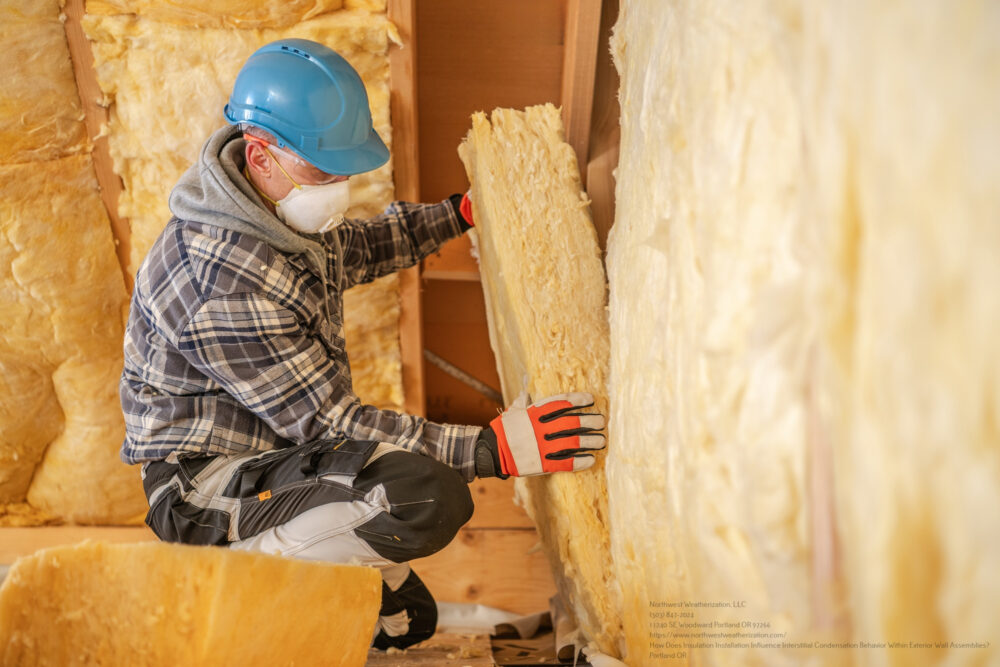
Professional insulation installation in Portland OR, focuses heavily on controlling both heat transfer and airflow patterns. That’s because condensation rarely results from insulation thickness alone. It usually happens when air movement, temperature differences, and humidity interact inside confined wall spaces.
Spray foam insulation is often used in moisture-sensitive wall assemblies because it provides both insulation and air-sealing protection simultaneously. Closed-cell foam performs especially well in high-moisture environments because it limits vapor migration while maintaining a strong thermal barrier.
Blown-in cellulose insulation also offers advantages. Since it’s made from recycled paper fibers treated for moisture resistance, it helps slow airflow while filling irregular wall cavities more completely.
Northwest Weatherization carefully evaluates exterior wall conditions, air leaks, and humidity exposure before recommending insulation materials. That process helps homeowners avoid long-term condensation problems that often remain hidden for years.
The Best Insulation Strategies for Controlling Wall Condensation
Experienced home energy specialists understand that moisture control starts with system integration.
Start With a Full Energy Assessment
A professional inspection identifies hidden air leaks, insulation gaps, and moisture pathways before installation begins.
Match Insulation to Wall Conditions
Fiberglass, blown-in cellulose, polyurethane, and spray foam each perform differently depending on the wall assembly.
Create a Continuous Air Barrier
A properly aligned Air Barrier helps prevent warm indoor air from reaching cold wall surfaces.
Improve Ventilation Where Needed
Balanced ventilation reduces the buildup of trapped humidity within building assemblies.
Address Attic and Crawl Space Conditions Too
Condensation problems often begin in attics or crawl spaces before spreading into wall systems.
In homes near the Tualatin River and throughout the Portland Metro Area, moisture management remains especially important due to the region’s extended wet seasons.
Lessons from Long-Term Wall Performance Challenges: Insights from Experienced Contractors
One lesson consistently stands out: moisture problems usually begin small.
Northwest Weatherization recently evaluated a home where homeowners noticed peeling paint and rising energy costs. During the inspection, technicians discovered hidden condensation damage inside exterior wall cavities caused by unsealed penetrations and aging insulation.
After removing compromised materials, upgrading the Wall insulation, and improving air sealing, the home’s performance improved dramatically. Indoor humidity stabilized, drafts disappeared, and heating demands decreased noticeably.
This type of issue appears frequently in older homes across Portland, OR. Many structures were built before modern building science standards emphasized airflow control and vapor management.
That’s why modern insulation installation focuses on whole-home system performance rather than insulation alone.
Why Whole-Building Moisture Control Protects Long-Term Home Value
Moisture problems hidden inside walls can quietly damage structural materials for years. Over time, condensation may contribute to wood deterioration, insulation failure, and a decline in home value.
That’s why modern insulation services prioritize integrated performance strategies that combine:
- Thermal barrier continuity
- Air sealing protection
- Moisture management
- Ventilation balancing
- Proper insulation density
Programs through Energy Trust of Oregon, ENERGY STAR, and the Inflation Reduction Act incentives continue to encourage homeowners to invest in energy-efficient upgrades because properly insulated homes reduce long-term operating costs and improve durability.
Many homeowners may also qualify for cash incentives, rebate assistance, and home insulation improvement programs.
Why Northwest Weatherization is the Trusted Choice for Lasting Home Protection
We at Northwest Weatherization provide the best solutions to our customers by combining advanced insulation installation methods with moisture management expertise and complete home performance strategies. Our team carefully evaluates airflow, humidity exposure, wall conditions, and thermal performance to deliver long-lasting protection for every home.
We proudly provide attic insulation, Wall insulation, crawl space services, air sealing, vapor barrier installation, and weatherization solutions tailored to homes throughout Portland, OR, and Southwest Washington. Our commitment to customer satisfaction, quality craftsmanship, and building science principles helps homeowners improve comfort, durability, and energy efficiency.
Contact Northwest Weatherization today for professional insulation solutions designed to protect your home from hidden moisture damage and rising energy costs. Experience the long-term benefits of expert insulation installation in Portland OR.
Want Better Insulation Installation for Your Home?
Contact Northwest Weatherization today for reliable energy-saving solutions.