Why Ratings Don’t Always Match What Your Home Actually Feels Like
R-values look great on paper. They promise energy efficiency, lower energy bills, and improved comfort. But here’s the catch: what’s installed doesn’t always perform as rated. That’s why a trusted insulation company in Hillsboro OR, focuses not just on installation but also on verifying real-world thermal performance after the job is complete.
In practice, validating insulation means checking airflow, moisture conditions, and installation quality to ensure the material performs as intended. Without this step, even high-performance insulation can fall short.
An insulation company validates installed R-values by combining visual inspections, airflow testing, and thermal imaging. These methods confirm that insulation performs as expected in real conditions, accounting for air leaks, moisture, and installation quality that can reduce actual thermal performance compared to lab-rated values.
What R-Values Really Mean and What They Don’t
R-value measures resistance to heat flow. The higher the number, the better the insulation; at least in theory. But real homes aren’t controlled lab environments. In Hillsboro, OR, factors like moisture, air infiltration, and construction gaps affect how insulation performs.
So what’s the disconnect?
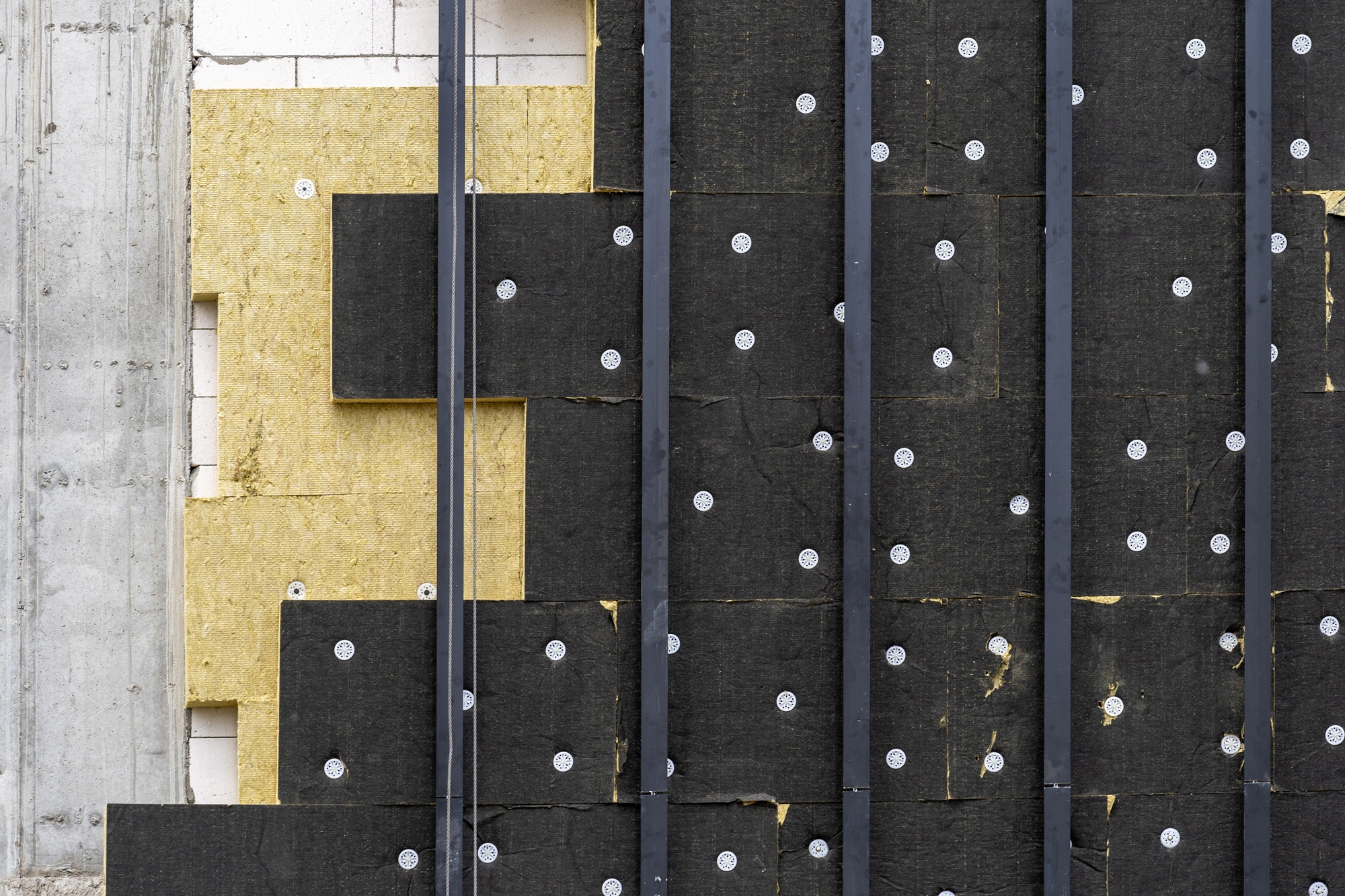
Even premium materials like spray foam insulation or fiberglass insulation can underperform if installed incorrectly. Gaps around ductwork, poorly sealed crawl spaces, or missing vapor barrier layers can significantly reduce the effectiveness of thermal insulation.
People Also Ask: Why does my home still feel drafty after insulation installation?
Drafts often come from air leaks, not insulation itself. Without proper air sealing, even high-R-value insulation won’t prevent heat loss or gain.
Northwest Weatherization evaluates these real-world conditions to ensure insulation performs beyond just numbers on a label.
Insulation Company in Hillsboro OR: How Professionals Verify Real Performance
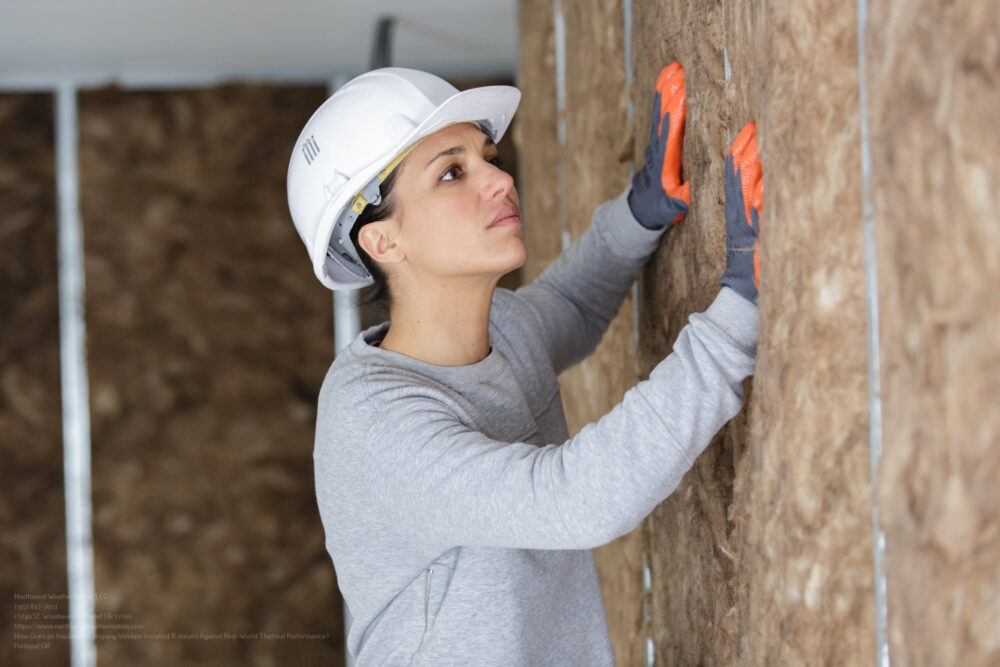
A reliable insulation company in Hillsboro OR doesn’t stop at installation. Verification is where real value is proven.
Professionals use a combination of techniques to confirm that insulation performs as expected. Thermal imaging cameras reveal heat loss patterns, while blower door tests measure air leakage throughout the home. These tools provide a clear picture of how insulation interacts with airflow and building structure.
For example, a home with newly installed attic insulation may still show heat loss if duct wrapping, insulation or air sealing wasn’t properly addressed. That’s why verification goes beyond visual checks. It’s about understanding the entire building system.
According to the U.S. Department of Energy, air leaks can account for up to 30% of a home’s energy loss, making testing essential for accurate performance validation.
Want High-Performance Insulation for Your Home?
Contact Northwest Weatherization today for expert service and lasting comfort.
5 Reasons Insulation Fails to Meet Its Rated Performance
Many homeowners assume insulation automatically delivers its rated performance. Unfortunately, several common issues can interfere:
1. Poor Installation Quality
Uneven coverage, compression, or gaps in blown-in insulation reduce effectiveness.
2. Air Leaks and Stack Effect
Air infiltration allows heat to escape, especially in attics and crawl spaces.
3. Moisture Problems
Water damage or high humidity lowers insulation performance and encourages mold growth.
4. Missing or Improper Vapor Barrier
Without a moisture barrier, insulation can absorb moisture, reducing its efficiency.
5. Thermal Bridging
Heat bypasses insulation through framing materials, such as metal framing or wood studs.
Northwest Weatherization addresses these issues through detailed inspections and corrective measures, ensuring insulation delivers true energy savings.
The Tools Insulation Experts Use to Confirm Results
Validating insulation isn’t guesswork. It’s a structured process backed by technology and experience.
Here’s how professionals confirm real-world performance:
- Thermal imaging scans: These identify hot and cold spots, revealing gaps in insulation coverage.
- Blower door testing: Measures air leakage and highlights areas requiring sealing.
- Moisture readings: Detect hidden moisture that can impact insulation and indoor air quality.
- Visual inspection of materials: Ensures products like blown-in cellulose insulation or spray polyurethane foam are installed correctly.
- Post-installation evaluation: Confirms that insulation aligns with energy codes and expected performance.
In Hillsboro and the surrounding areas, these steps are especially important due to seasonal moisture and changing temperatures.
For deeper insight into how insulation and air sealing work together, homeowners can review the Department of Energy’s insulation resources, which explain how proper installation affects real-world efficiency.
Why Accurate Validation Protects Your Home and Wallet
Validating insulation performance isn’t just technical, instead it’s practical. It directly affects comfort, energy costs, and long-term durability.
When insulation is properly verified:
- Energy efficiency improves, reducing energy bills
- Indoor air quality becomes healthier with fewer pollutants
- Mold prevention becomes more effective
- The home’s carbon footprint decreases
- HVAC systems operate more efficiently
Northwest Weatherization has worked with property owners across Hillsboro who initially struggled with high energy costs despite recent insulation installation. After testing and adjustments, many saw immediate improvements in comfort and energy savings.
Expert Insight: Why “Installed Correctly” isn’t Always Enough
Here’s something many homeowners don’t realize: even correctly installed insulation can underperform if the surrounding systems aren’t addressed.
For instance, a home with high-performance insulation but poor ventilation or unsealed crawl spaces can still experience moisture buildup and heat loss. That’s why Northwest Weatherization takes a whole-home approach.
In one Hillsboro project, a homeowner invested in blown insulation but still experienced uneven temperatures. After evaluation, the team identified air leaks and missing sections of the vapor barrier. Once corrected, the home achieved consistent comfort and reduced energy bills.
The takeaway is simple – insulation doesn’t work alone. It’s part of a larger system that must be optimized as a whole.
What Homeowners Should Look for After Insulation Installation
Once insulation installation is completed, there are clear signs that it’s performing as expected; or not.
Key indicators include:
- Even indoor temperatures across rooms
- Reduced energy costs over time
- Improved indoor air quality
- No visible mold growth or moisture issues
- Consistent HVAC system performance
If these results aren’t noticeable, it may be time for a performance evaluation. Northwest Weatherization offers in-person inspections and free estimates to help homeowners identify and resolve issues quickly.
Why Northwest Weatherization is the Smart Choice for Your Home
We at Northwest Weatherization provide the best solutions to our customers by focusing on real performance, not just promises. Our process goes beyond installation, ensuring every project delivers measurable energy efficiency and long-term comfort.
We take pride in offering expert insulation services, from attic insulation to crawl space solutions, using high-quality materials and proven techniques. Our team ensures your home gets the full benefit of every upgrade.
If you want insulation that truly performs, don’t settle for guesswork. Contact Northwest Weatherization for expert solutions in your area and experience the difference with a trusted insulation company in Hillsboro OR.
Want High-Performance Insulation for Your Home?
Contact Northwest Weatherization today for expert service and lasting comfort.