
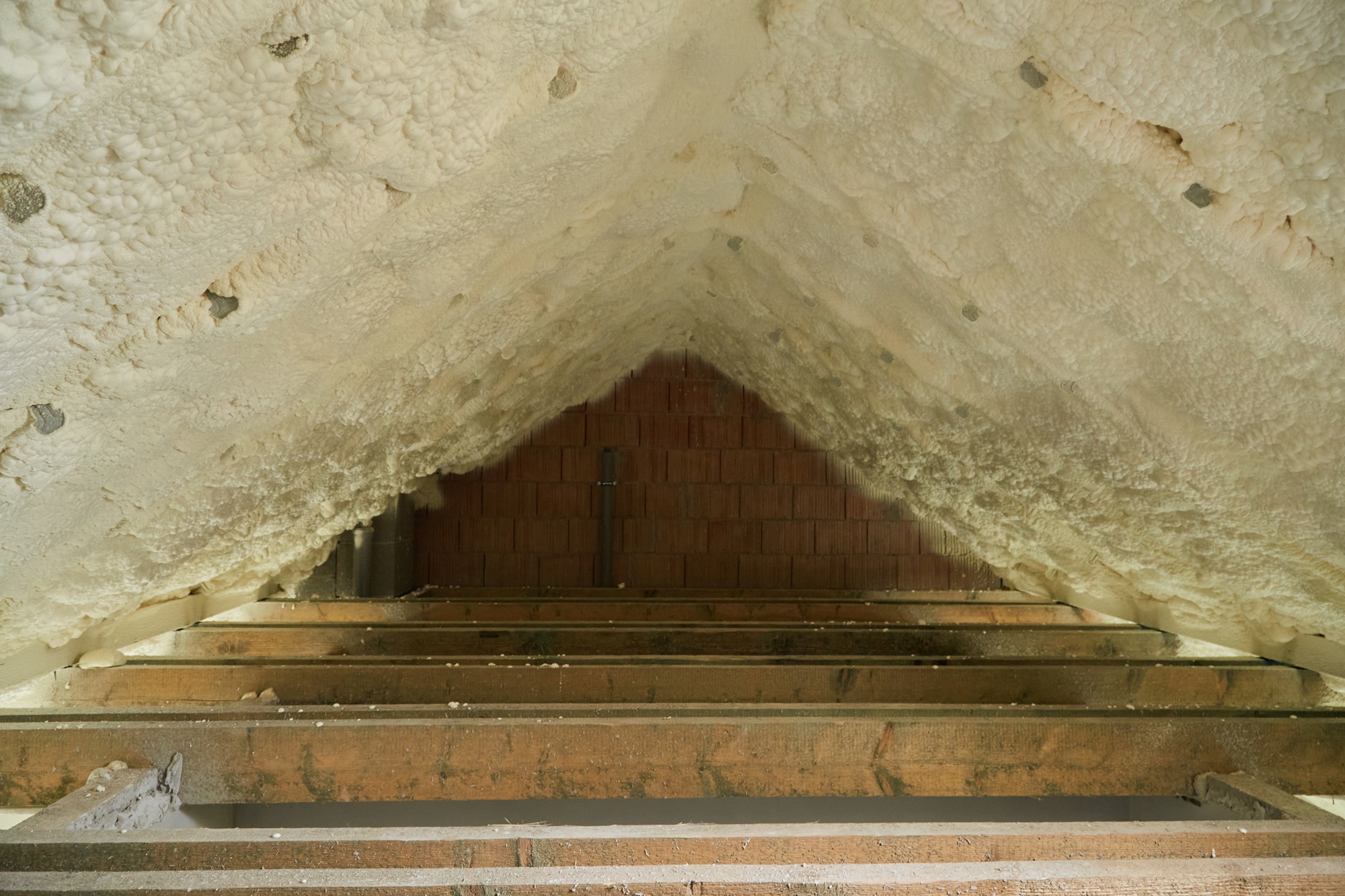
The Hidden Balance Between Airflow and Insulation that Protects Your Home Year-Round
Moisture problems don’t usually start with leaks—they start with imbalance. Warm air rises, meets a cold surface, and suddenly condensation begins forming where you can’t see it. That’s why attic insulation in Portland OR isn’t just about keeping heat in; it’s about managing airflow and moisture at the same time.
When attic insulation and roof deck ventilation work together, they prevent condensation cycles that lead to mold, wood damage, and rising energy costs.
Attic insulation works with roof deck ventilation by controlling heat flow and allowing proper airflow. This balance prevents warm, moist air from condensing on cold surfaces. Proper installation reduces moisture buildup, improves energy efficiency, and protects the structural integrity of the attic and roof system.
Why Your Attic Can Turn into a Moisture Trap Without Warning
Your attic sits at the crossroads of temperature and airflow. Warm air from inside your home rises through ceilings, light fixtures, and attic access points. When it reaches the colder roof deck, condensation forms—especially during Portland’s damp seasons.
Without proper roof vents and insulation working together, that moisture lingers. Over time, it leads to mold growth, weakened wood sheeting, and even insulation failure.
People Also Ask: What causes condensation in attics even with insulation installed?
The answer is simple: airflow imbalance. Insulation alone doesn’t stop moisture—it must work alongside ventilation and air sealing.
In Portland, Oregon, where seasonal humidity fluctuates, Northwest Weatherization often performs attic evaluations, inspections and assessments to identify these hidden moisture risks early.
Why this Balance Directly Affects Your Energy Bills and Air Quality
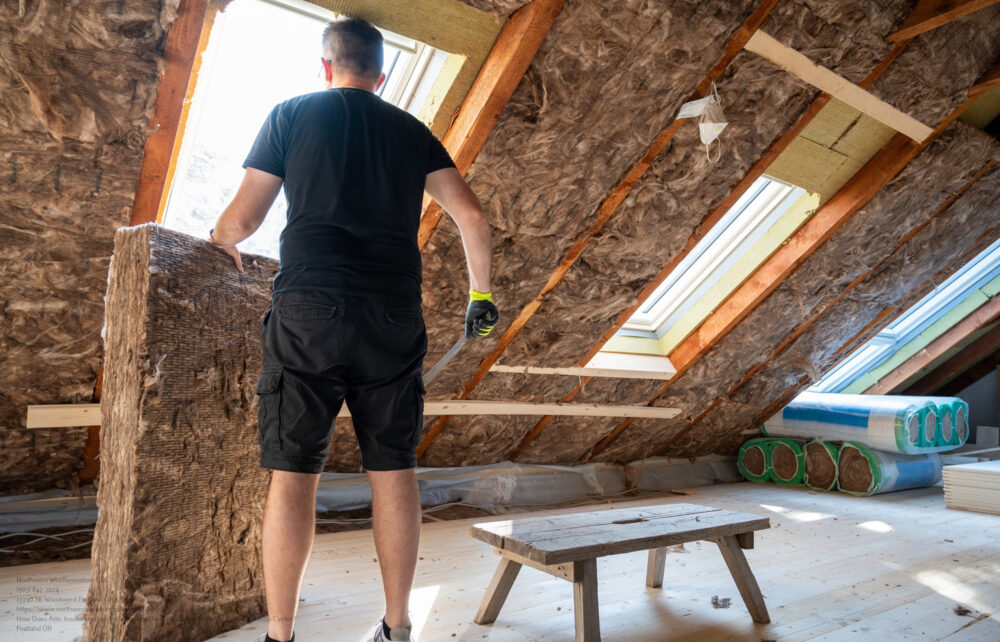
When insulation and ventilation aren’t working together, your home pays the price—literally.
Moisture buildup reduces insulation effectiveness, forcing heating and cooling systems to work harder. This increases energy bills and shortens equipment lifespan.
At the same time, trapped moisture impacts air quality. Mold spores and damp conditions can spread into living spaces, affecting comfort and health.
According to the U.S. Department of Energy’s guide to home insulation, proper attic insulation, combined with ventilation, can significantly reduce heating and cooling costs while improving indoor air quality.
Northwest Weatherization has helped homeowners across the Portland area achieve better energy savings and healthier indoor environments by correcting these imbalances.
Want Better Attic Insulation for Your Home?
Contact Northwest Weatherization today for expert insulation solutions.
5 Common Mistakes that Trigger Condensation Cycles in Attics
Even small oversights can create major moisture problems. Here are some of the most common issues professionals see:
1. Blocking roof vents with insulation. Blown-in insulation can accidentally cover vents, preventing airflow and trapping moisture.
2. Skipping air sealing before insulation installation. Air leaks allow warm, moist air to reach the attic, feeding condensation cycles.
3. Using the wrong insulation materials. Some insulation types don’t handle moisture well, especially in humid climates like the Portland area.
4. Ignoring old insulation conditions. Old insulation often traps moisture, reducing overall performance.
5. Poor duct sealing. Leaky ducts allow warm air to escape into the attic, increasing humidity and energy costs.
Northwest Weatherization addresses these problems through complete insulation services, combining insulation removal, air sealing, and ventilation adjustments to prevent long-term damage.
Attic Insulation in Portland OR: How Insulation and Ventilation Work Together
A properly designed attic insulation in Portland OR system isn’t just about adding material—it’s about creating balance.
Insulation slows heat transfer, while roof vents allow moisture and warm air to escape. When both systems are aligned, they prevent condensation before it starts.
For example, blown-in fiberglass or cellulose insulation fills gaps and reduces heat movement, while ridge vents and soffit vents maintain continuous airflow. This combination keeps attic temperatures stable and prevents moisture buildup.
Northwest Weatherization uses high-performance insulation and precise air-sealing techniques to ensure consistent airflow. This approach improves energy efficiency while protecting the home’s structure.
The Step-By-Step Approach Professionals Use to Stop Condensation
Solving condensation issues requires a system-wide approach. Here’s how experts handle it:
- Attic evaluation and moisture assessment. Identify air leaks, insulation gaps, and ventilation blockages.
- Air-seal critical areas. Seal gaps around ducts, wiring, and ceiling penetrations.
- Install or upgrade insulation. Use materials such as fiberglass, spray foam, or cellulose insulation for consistent coverage.
- Ensure proper ventilation flow. Install or clear roof vents to maintain airflow from soffits to the ridge.
This method ensures that insulation and ventilation work together instead of against each other.
Expert Insight: Why More Insulation isn’t Always the Answer
It’s a common belief—add more insulation. But that can actually make things worse if ventilation is ignored.
In one Portland home, Northwest Weatherization found excessive blown-in insulation blocking roof vents. The result? Severe moisture buildup and rising energy costs. After correcting airflow and adjusting insulation levels, the attic dried out, and performance improved.
The takeaway is clear: insulation without airflow control can trap moisture rather than prevent it.
What Homeowners Should Know Before Upgrading Attic Insulation
Before starting any attic insulation project, it’s important to understand the bigger picture.
Insulation, ventilation, and air sealing all work together as a system. Ignoring one part can compromise the entire setup.
Homeowners should focus on:
- Maintaining clear roof vents for airflow
- Addressing air leaks before adding insulation
- Choosing the right insulation types for the climate
- Ensuring proper installation techniques
These steps not only prevent condensation cycles but also improve overall home insulation performance.
Why Northwest Weatherization is the Smart Choice for Your Home
We at Northwest Weatherization provide the best solutions to our customers by focusing on complete attic systems, not just insulation alone. We understand how ventilation, airflow, and insulation must work together to prevent condensation and improve energy efficiency.
We proudly deliver expert attic insulation services, air sealing, and moisture control solutions that protect your home and reduce energy costs. Our team ensures every project is completed with precision and long-term performance in mind.
If you’re ready to improve your home’s comfort and efficiency, contact Northwest Weatherization today for trusted solutions. Experience the difference with professional attic insulation in Portland OR.
Want Better Attic Insulation for Your Home?
Contact Northwest Weatherization today for expert insulation solutions.